
Electronics & Renewable Energy Projects: BLDC Motors, Windmill Generator, Amplifier Board, and Gas Safety Systems
Introduction
Modern electronics and renewable energy projects are becoming popular among students and hobbyists. From efficient motor systems to audio amplification and safety devices, several components play a key role in innovation. Understanding how these technologies work together helps in building practical science projects. In this article, we explore four important technologies used in engineering and DIY applications BLDC motors, wind energy generation, amplifier boards, and gas detection systems for safety and automation. Each section below explains their function and real-world uses in simple technical terms for beginners and engineering enthusiasts.
BLDC Motors in Modern Applications
bldc motors are highly efficient electric motors widely used in modern electronics, drones, electric vehicles, and industrial automation systems. These motors operate without brushes, which reduces friction and improves lifespan. Instead of mechanical commutation, they use electronic controllers for precise speed and torque control. This makes them energy efficient and reliable for continuous operation. In science projects, they are often used to demonstrate advanced motor control and renewable energy systems. Their compact size and high performance make them suitable for robotics and wind-based experiments. Understanding their working principle helps students learn about electromagnetism, rotation mechanics, and power electronics in a practical way used in various STEM projects and demonstrations.
Windmill Generator Science Project
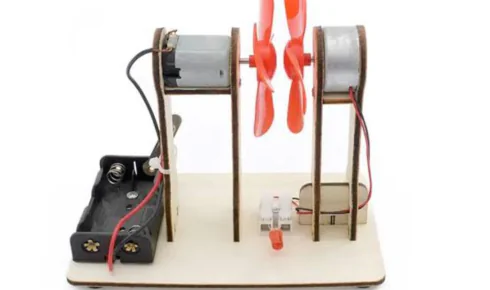
Building a windmill generator science projectis an excellent way for students to understand renewable energy conversion. It demonstrates how wind energy can be transformed into electrical energy using a simple turbine and generator setup. Typically, a small DC motor is used as a generator, connected to blades that rotate with wind or fan airflow. This setup helps visualize real-world wind farms and sustainable energy systems. Students can measure voltage output and experiment with blade design, speed, and efficiency. The project encourages hands-on learning in physics and engineering while promoting awareness of clean energy solutions. It is widely used in school exhibitions and science fairs for practical demonstration purposes use.
TPA3116D2 Amplifier Board for Audio Projects
tpa3116d2 amplifier board is a popular Class D audio amplifier module known for its high efficiency and clear sound output. It is commonly used in DIY speaker systems, home audio projects, and portable sound setups. The board delivers strong power output with low heat generation, making it ideal for compact designs. It operates efficiently even at higher volumes, ensuring minimal distortion and high-quality audio performance. Students and hobbyists use it to build custom audio systems and understand amplifier circuitry. With proper power supply and speaker matching, it can produce excellent sound clarity. Its affordability and ease of integration make it preferred choice for electronics enthusiasts working on audio experiments.
Gas Leakage Detector for Safety Systems
gas leakage detector is an important safety device used to detect harmful or flammable gas leaks in homes, industries, and laboratories. It uses sensors like MQ series gas sensors to identify gas concentration in the air. When gas levels exceed a safe limit, the device triggers an alarm using buzzer or LED indicators. This helps prevent accidents such as fire or explosion. In science projects, it is often used to demonstrate safety automation and sensor technology. It can be integrated with microcontrollers like Arduino for advanced monitoring systems. The project teaches students about environmental safety, sensor calibration, and real-time detection systems effectively widely used in educational STEM labs today now.
Conclusion
Modern engineering projects combining motors, renewable energy, audio systems, and safety devices offer excellent learning opportunities for students and hobbyists. Each technology plays a unique role in developing practical understanding of electronics and physics. From efficient motor control to clean energy generation, high-quality sound amplification, and gas detection systems, these innovations are widely used in real-world applications. Working on such projects enhances problem-solving skills and creativity while building a strong foundation in science and technology. They are ideal for school-level exhibitions and advanced DIY experimentation projects.