When Everyday Water Problems Start Showing Up Around Your Home
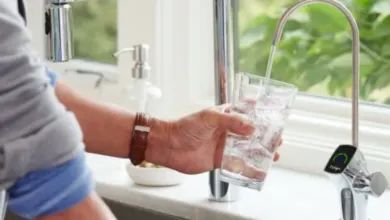
Water is supposed to make everyday life easier. We drink it, cook with it, wash dishes with it, take showers, do laundry, and use it without giving much thought to what is actually coming through the pipes. That changes pretty quickly when the water starts behaving differently.
Maybe your favorite glass comes out of the dishwasher looking dull. Perhaps your soap seems to disappear before it creates a decent lather. Or you keep finding chalky residue around the kitchen faucet no matter how often you clean it. None of these things are particularly dramatic on their own, but together they can tell you something useful about your home’s water quality.
Understanding those signs is a good first step toward finding a practical solution.
Why Water Quality Becomes Noticeable Over Time
Many homeowners don’t notice a water-quality issue immediately. It can develop gradually, and because you’re around your home every day, small changes are easy to overlook.
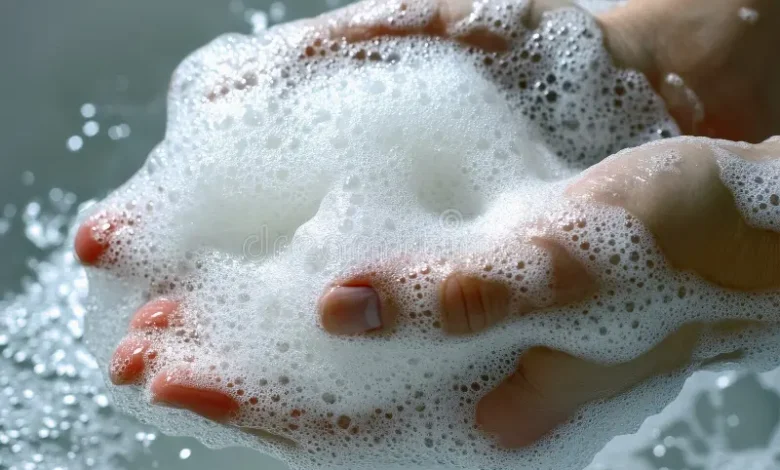
One of the classic complaints is soap that won’t lather properly. You may squeeze out more shampoo or body wash than usual, yet it still feels like you’re not getting the same results. Hard water, which contains elevated levels of minerals such as calcium and magnesium, can interfere with how soap behaves.
This can become more than an annoyance. You may end up using additional cleaning products simply because they don’t seem to work as efficiently as they should.
The Trouble With Mineral Deposits
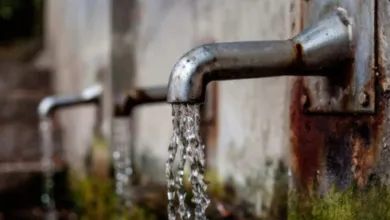
Hard water can also leave behind mineral residue wherever water regularly dries. Faucets, shower doors, sinks, and appliances can all show the effects.
Over time, scale buildup may become particularly obvious around fixtures and inside equipment that regularly handles water. A showerhead with clogged openings may not spray as evenly as it once did. The same thing can happen inside plumbing components and water-using appliances.
It’s one of those problems that starts small. You wipe away the residue and forget about it. Then you’re cleaning it again a few days later.
If that cycle keeps repeating, the water itself may deserve some attention.
When Water Looks Different
Clear water is something most people take for granted. So when you fill a glass and notice that it looks hazy, milky, or slightly unusual, it’s understandable to wonder what has changed.
Cloudy water can have several possible causes. Tiny air bubbles can sometimes make water appear cloudy and may disappear after the water sits for a short time. Other causes can be related to minerals, sediment, plumbing conditions, or changes in the water supply.
Appearance alone doesn’t tell you exactly what is happening. That’s why it’s better to observe whether the problem is temporary or persistent rather than immediately assuming the worst.
If cloudy water continues to occur, testing can help identify the underlying issue.
Don’t Forget About Taste and Odor
Not every water problem is visible. Taste and smell can be just as noticeable, sometimes even more so.
You might notice a chlorine-like flavor, a metallic taste, or an odor that wasn’t there before. In some homes, people become so accustomed to the water that they don’t realize how different it tastes until they drink filtered or treated water somewhere else.
A sudden change deserves attention, especially if it affects all the taps in the house.
Again, there can be many explanations. Municipal water conditions, plumbing, minerals, organic material, and other factors can influence taste and odor. Testing is a much more reliable approach than guessing based on appearance.
Your Kitchen Can Reveal Quite a Bit
The kitchen is one of the easiest places to spot changes in water quality because water is used constantly.
Look at your drinking glasses. Check the coffee maker. Notice how the sink looks after water dries. Pay attention to whether ice cubes have an unusual taste or appearance.
Coffee and tea can be especially revealing. Water is a major ingredient in both, so changes in water chemistry can affect the final flavor. You may spend money on good coffee beans and still wonder why the cup doesn’t taste quite right.
Sometimes the water is part of the equation.
Bathrooms Tell Their Own Story
Bathrooms tend to show mineral-related problems quickly because fixtures are constantly exposed to water.
If your showerhead has white deposits, your faucets develop rings, or your glass enclosure seems impossible to keep clean, hard water could be contributing.
You might also notice that soap scum seems to build up faster than it should. Instead of spending every weekend scrubbing, it can make sense to investigate why those deposits are happening in the first place.
Good water treatment isn’t about eliminating every cleaning task. Nothing can do that. But addressing the source of certain problems can certainly make household maintenance less frustrating.
What About Laundry?
Water quality can affect laundry, too. Hard water may make detergents less effective, which can influence how fabrics feel after washing.
Clothes may come out feeling less soft, and you might find yourself using extra detergent or running another wash cycle. Towels are often where people notice the difference first because they can feel stiff rather than fluffy.
Of course, detergent, washing temperature, fabric type, and the machine itself all matter. Still, if you’re seeing several water-related symptoms around the house, laundry is another area worth considering.
Testing Comes Before Treatment
It’s easy to search online, see a list of water-treatment products, and assume you know what you need. That’s usually not the best way to start.
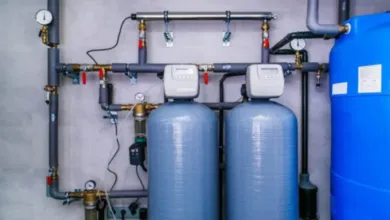
Different water conditions require different approaches. A softener may make sense for hardness, while filtration may be more appropriate for certain taste, odor, or sediment concerns. Drinking-water treatment can also be handled separately from whole-home treatment when the main concern is what your family consumes.
A water test gives you useful information before you spend money on equipment.
Think of it as getting the facts before making the decision.
Choosing a System That Fits Your Home
There isn’t a single water-treatment system that works perfectly for every household. Homes differ in water sources, plumbing, family size, usage patterns, and water chemistry.
A small household may have very different needs from a large family. Someone using well water may face different challenges than someone connected to a municipal supply.
That’s why the best solution is usually the one built around the actual problem rather than a generic list of features.
Maintenance Still Matters
Even a quality treatment system needs some attention. Filters have to be replaced, equipment may need periodic inspection, and certain systems require routine servicing.
Skipping maintenance can gradually reduce performance. It can also make it harder to notice when something isn’t working as it should.
A simple reminder on your phone or calendar can be enough to keep routine tasks from slipping through the cracks.
A Better Approach to Everyday Water
Water problems don’t always announce themselves with a major warning. Often, they’re little things—a faucet that keeps collecting residue, dishes that never seem completely clear, soap that doesn’t behave properly, or water that tastes slightly different.
Those small details are worth noticing.
Instead of guessing, look for patterns, test your water when necessary, and choose treatment based on what the results actually show. It can save money, reduce frustration, and help protect the plumbing and appliances you rely on every day.
At the end of it all, the goal isn’t complicated. You want water that works well for your household without creating a list of chores every time you turn on the tap. Sometimes achieving that starts with simply paying attention to the little signs you’ve been wiping away for months.