Blog

  • Understanding the Different Types of Attorneys: A Guide

    Understanding the Different Types of Attorneys: A Guide

    When you face a legal issue, finding the right type of attorney can be crucial to ensuring that you get the best advice and representation. Attorneys, or lawyers, specialize in different areas of law, and each type is suited for a particular kind of legal problem.

    In this guide, we’ll look at various types of attorneys, explaining what they do and when you might need their services. 

    1. Criminal Attorney

    Criminal attorneys, also known as criminal defense lawyers, specialize in defending people who have been charged with crimes. This can include minor offenses like traffic violations to serious crimes such as theft or murder.

    A criminal attorney’s job is to protect your rights and help you get the best possible outcome in your case. They investigate the details of your case, represent you in court, negotiate plea deals, and ensure that the legal process is followed properly. 

    2. Family Attorney

    Family law attorneys deal with matters related to family relationships. This includes divorce, child custody, child support, adoption, and domestic violence cases. Family lawyers help individuals navigate complex emotional and legal issues during some of the most stressful times in their lives.

    They provide advice, mediate between parties, and if needed, represent their clients in court. If you’re going through a family-related legal issue, a family attorney can help guide you through the process. 

    3. Personal Injury Attorney

    Personal injury lawyers represent people who have been injured as a result of accidents or negligence. This can include car accidents, slip and fall incidents, or injuries caused by defective products. If you’ve been injured and believe someone else is responsible, a personal injury attorney can help you get compensation for medical bills, lost wages, and pain and suffering.

    These attorneys will gather evidence, deal with insurance companies, and represent you in court if necessary. 

    4. Art Attorney

    An art attorney specializes in legal issues related to the art world. This can include transactions like buying or selling art, intellectual property issues, and disputes over art ownership. If you’re an artist or a collector, you might need an art Attorney to help you with contracts, copyright issues, or to protect your works from infringement.

    Art law also covers the restoration of damaged works, dealing with museum policies, and even estate issues involving art collections. 

    5. Estate Planning Attorney

    Estate planning attorneys help individuals plan for the distribution of their assets after their death. This involves creating wills, trusts, and powers of attorney to ensure that your wishes are followed. Estate planning is essential to avoid family disputes, minimize taxes, and make sure that your loved ones are cared for according to your preferences.

    These attorneys can also help with matters like guardianship of minor children and health care directives. If you’re thinking about the future and want to ensure that everything is in place for your family, an estate planning attorney is the professional to contact. 

    Conclusion

    There are many different types of attorneys, each specializing in different areas of law. Choosing the right one for your situation can make a big difference in the outcome of your case. Whether you’re dealing with a criminal charge, a family issue, or something as specific as an art-related legal matter, it’s important to find an attorney who understands the complexities of your situation.

    By understanding what each type of attorney does, you can make an informed decision and get the best possible legal help for your needs.

  • You won’t believe what houses looked like 1,000 years ago!

    You won’t believe what houses looked like 1,000 years ago!

    Long before the gleaming skyscrapers and suburban developments of today, our ancestors created dwellings that would seem utterly alien to modern homeowners. A millennium ago, houses weren’t just buildings—they were ingenious solutions to survival challenges, deeply connected to local environments and available materials.

    From earth and stone: The foundations of medieval living

    In medieval Europe around 1000 CE, most common folk lived in humble structures known as “cruck houses.” These simple dwellings featured wooden frames made from curved timber beams that extended from the ground to the roof ridge. Walls were typically “wattle and daub”—a lattice of wooden strips (wattle) covered with a mixture of mud, clay, animal dung, and straw (daub).

    The typical floor? Packed earth strewn with rushes or straw. Windows were rare luxuries, often just small openings covered with oiled paper or thin animal skins to let in minimal light while keeping out harsh elements. Chimneys were virtually nonexistent, with smoke from central hearth fires escaping through a hole in the roof.

    Clever terrain solutions before modern engineering

    What’s particularly fascinating is how our ancestors managed building challenges on varied landscapes. In hilly regions, primitive retaining walls  of dry-stacked stone helped create level building platforms long before modern engineering. These early retaining structures, constructed without mortar through careful stone selection and placement, prevented soil erosion and created terraced areas for homes and agricultural plots. Some of these ingenious solutions have remarkably survived centuries, a testament to their effective design.

    Regional adaptations: Building for survival

    In contrast to European structures, houses in North America varied dramatically by indigenous culture and climate. The Plains tribes crafted portable tipis from animal hides stretched over wooden poles, while Pacific Northwest peoples built impressive cedar plank longhouses that could shelter multiple families.

    In parts of Asia, traditional homes featured raised platforms to prevent flooding and promote air circulation in humid climates. Many Japanese dwellings used ingenious sliding paper doors (shoji) that could be reconfigured to create different living spaces as needed.

    From necessity to innovation

    What truly sets ancient housing apart wasn’t just their appearance but their functionality. Without modern heating, cooling, or electricity, every aspect of home design served practical purposes. High ceilings in hot climates allowed heat to rise away from living spaces. Thick walls in cold regions provided natural insulation. Courtyards captured rainwater for household use.

    The materials themselves tell a story of resourcefulness. Homes weren’t built from standardized lumber or manufactured components but from whatever the local environment provided—stone, clay, timber, reeds, or even ice and snow in arctic regions.

    The evolution of comfort

    Perhaps most striking to modern sensibilities would be the lack of personal space and privacy. Extended families often shared a single room, with distinct sleeping areas being a luxury reserved for nobility. The concept of specialized rooms—bedrooms, dining rooms, bathrooms—simply didn’t exist for most people.

    Our modern expectations of comfort, privacy, and convenience would be utterly foreign to our ancestors. Yet their ingenuity in creating functional homes with limited technology reminds us that human innovation isn’t just about adding complexity—it’s about finding elegant solutions with available resources. The houses of 1,000 years ago may appear primitive to our eyes, but they represent remarkable adaptations to a world without our modern conveniences.

  • Best Wedding Catering Ideas for Outdoor and Garden Weddings

    Best Wedding Catering Ideas for Outdoor and Garden Weddings

    It is a dream for a couple to plan a wedding in a beautiful outdoor wedding venue. The fresh air, natural beauty, and romance make for a memorable atmosphere for the workout. Organizing wedding food catering for outdoor celebrations is however not as simple and needs some careful planning to ensure everything goes smoothly for the guests.

    From selecting the right menu to managing weather conditions, outdoor catering presents unique challenges and opportunities. In this blog, we will take a look at various wedding catering service ideas that can render your garden wedding extra special!

    Choosing a Menu Appropriate for an Outdoor Venue
    Try picking food for your outdoor wedding venue that reflects both the atmosphere and the time of year. Light and fresh menu items lend themselves to summer weddings, while warm, hearty foods are well-suited to the cooler months.

    Seasonal Menu Ideas

    • Spring & Summer : Light salads, grilled seafood, fruit-based desserts, and chilled cocktails.
    • Fall & Winter: Roasted meats, root vegetables, soups and mulled wine.
      Experienced wedding catering services know how to make sure that your menu is in line with your theme and the environment.

    Bolio vs Plated Dinner — What Works Best?
    One of the biggest decisions for wedding food catering is choosing between a buffet or a plated meal.

    Buffet Style

    • Variety and flexibility of choice for guests.
    • Encourages an easygoing, convivial dining experience.
    • Perfect for rustic outdoor wedding venues.

    Plated Service

    • It offers a more formalised environment.
    • Keeps portions controlled and looks consistent.
    • Best for formal garden weddings with seated receptions.

    For a compromise between formality and flexibility, some couples go with a hybrid option: plated entrees along with staff-served starters and desserts.

    Create Interactive Food Stations for a Fun Experience
    Food stations have the potential to raise your wedding catering service to the next level. They enable guests to craft their own meals using a fun, interactive process.

    Popular Live Food Stations

    • BBQ Station: Grill meats and vegetables.
    • Pizza Oven: Guests create their own gourmet pizzas.
    • Taco Bar: Choose from a plethora of top-opt taco toppings.
    • Ice Cream Cart: Perfect for warm-weather weddings, this dessert option is fun and refreshing.

    Aside from improving the guest experience, live stations do offer something unique to your wedding.

    Signature cocktails and cool beverage stations

    Pairing great food with unique drinks enhances the overall atmosphere of an outdoor wedding space.

    Drink Station Ideas

    • Signature Cocktails: Customized drinks named after the couple.
    • Infused Water Stations: Refreshing hits of fruit and herbs.
    • Wine & Cheese Pairing: A fine touch for patty garden weddings

    From liquor and beers to soda, juice, and bottled water, having a combination of alcoholic and non-alcoholic options can keep guests feeling invigorated during the event.

    Accommodating Dietary Restrictions
    A professionally catered wedding service caters to different dietary needs. Having a variety of foods ensures that everyone is having a good time at your celebration.

    Catering Ideas for Dietary Needs

    • Vegan & Vegetarian: Grilled vegetable platters, stuffed mushrooms and plant-based pastas.
    • Gluten-Free: Quinoa salads, rice bowls, flourless cakes.
    • Nut-Free & Allergy-Safe: Meals with clear labels to avoid allergic reactions

    Speaking to your caterer about different options will guarantee a stress-free meal for all your guests.

    Outside the Box Dessert Ideas for Outdoor Weddings
    Outdoor weddings provide a time and space for both playful and interactive dessert options (goodbye traditional wedding cakes!).

    Unique Dessert Ideas

    • Doughnut Wall: The best Instagram event display ever.
    • Chocolate Fountain: a fan-favorite with fresh fruits and pastries.

    Added some interactive dessert stations to take your wedding food catering to a whole new level.

    Weather Never Fails to Ramp Up Stresses
    Outdoor weddings are lovely, yet uncertain in weather. A professionally trained wedding catering service makes sure that the food is served fresh and the guests are comfortable.

    Find a Shelter for Your Catering Setup

    • For Use During Hot Weather: Have shaded areas and cold drinks available.
    • For Rainy Days: Have a backup tent for dining areas.
    • For Windy Venues: Avoid spills with covered serving dishes.

    Touching base with your caterer on an emergency plan ensures a seamless experience no matter the weather.

    Green + Sustainable Catering Solutions
    To minimize waste and make a statement, many couples are choosing eco-conscious catering.

    Green Catering Ideas
    We have given you a ton of extra options to think about, including only biodegradable compostable plates and utensils instead of plastic.

    • Farm-to-Table Ingredients: Seasonally, organic and locally sourced ingredients.
    • Minimal Waste Policy: Arrange food donation to local shelters.

    From an environmental standpoint, sustainable wedding food catering is a winner, plus it will improve the entire dining experience.

    Key Elements when Hiring a Wedding Catering Service
    A good wedding catering service is key to having the delectable food served properly on your big day.

    How to Find the Best Caterer

    • Read Reviews & Testimonials: Find out what past customers have experienced.
    • Book a Tasting: Make sure you love the food before you book
    • Talk Customization Options: Customize your menu to coordinate with your wedding theme.

    We proved that an experienced caterer ensures details and you enjoy your big day at an outdoor wedding venue.

    Weddings outdoors and in gardens have a unique and magical atmosphere for the wedding couples and their guests. Wedding food catering can take it to the next level to make sure everyone shares in a great meal that they remember. Regardless of the way you choose to serve your food, hiring a professional wedding catering service is the only way to ensure your vision makes it to the plate. Get in touch with MyWeddingQuote for professional wedding catering solutions, and make your dream outdoor wedding a reality!

  • What Scaling Businesses Get Wrong About Digital Transformation (And How to Get It Right)

    What Scaling Businesses Get Wrong About Digital Transformation (And How to Get It Right)

    For businesses on the cusp of growth, digital transformation isn’t just a buzzword—it’s a necessary evolution. But despite the abundance of tools, platforms, and “growth hacks,” many companies still struggle to scale sustainably. They hit plateaus. Burn cash. Stall progress.

    So where does it go wrong?

    Often, the problem isn’t the tools. It’s the approach.

    That’s where working with a seasoned digital agency like Zen Agency reveals something important: digital growth isn’t just about new technology. It’s about system-wide alignment—brand, user experience, performance marketing, and backend infrastructure all working as one.

    Why DIY Digital Transformation Fails

    It’s tempting to piece together a digital presence from popular platforms. WordPress theme here, a Shopify store there, a freelance marketer running ads. On paper, this seems lean and efficient.

    But this approach often results in:

    • Inconsistent branding across touchpoints
    • Fragmented data that hinders decision-making
    • Inefficient user flows that kill conversions
    • Unclear attribution, making ROI hard to track

    Scaling businesses need more than surface-level solutions. They need a framework that evolves with them.

    What Smart Transformation Looks Like

    Take the work Zen Agency has done for manufacturers, retailers, and law firms—organizations not typically seen as “digital-first,” but who now outperform their competitors online.

    The key? Seamless alignment across five pillars:

    1. Custom Website Development
      Forget off-the-shelf templates. Scaling brands need websites tailored for speed, flexibility, and SEO optimization—especially in enterprise environments where performance directly impacts revenue.
    2. UX-Driven Architecture
      As Baymard UX Certified Experts, Zen’s team ensures that navigation, information hierarchy, and conversion paths are built around real user behavior, not guesswork.
    3. Integrated Marketing Infrastructure
      With certifications from Google, SEMRUSH, and Klaviyo, the agency constructs marketing ecosystems designed for measurable growth—ad performance, lifecycle automation, and ROI clarity included.
    4. Ecommerce Personalization at Scale
      Whether it’s a custom ring builder or a dynamic search integration powered by Algolia, Zen delivers ecommerce experiences that feel less like catalog browsing and more like curated shopping.
    5. Brand-First Thinking
      At the foundation of every touchpoint is brand coherence—something too often overlooked in hyper-growth strategies. Zen makes sure voice, visuals, and values remain consistent across every channel.

    What Businesses Can Learn

    Digital transformation doesn’t succeed because of a tool—it succeeds because of a vision, executed with precision.

    If your team is managing disconnected tools, struggling to attribute conversions, or unsure why bounce rates remain high despite ad spend, it’s worth stepping back and asking a bigger question:

    Is our digital system designed to grow with us—or just to exist?

    Working with a team like Zen Agency offers more than services—it offers clarity. And in a world flooded with noise, clarity is a serious competitive advantage.

  • Effective Tips to Plan the Perfect Outdoor Event

    Effective Tips to Plan the Perfect Outdoor Event

    If this is your first time planning an outdoor event and hosting a get-together with your friends, then you must be wondering about how to get everything right. If this is your first time planning an outdoor event, you must consider several things to make the event an ultimate success. 

    Without ado, let us explore the best tips that can help you plan the perfect outdoor event. 

    Read on to learn more. 

    Consider the Weather

    Since you are planning an outdoor event, you must plan for the weather, too. Weather is something that you cannot control; however, you can control and plan in advance about what you will do if it rains or if the sun shines bright at a hundred degrees. Having a solid weather plan is extremely important. Also, you need to have a weather plan before the event takes place so that you can get out to all the attendees and tell them what to do in case it rains. 

    The best you can do is to arrange for tents in advance so that your guests can find shelter in case of the burning sun or the rain that might start to pour down suddenly. 

    Hire A DJ for the Best Experience

    By hiring a dj, you can give your friends the best experience and actually catch them by surprise. With a DJ, you don’t have to ask a friend’s favor and have them make playlists for the event. Of course, you want your guests to have the best time of their lives, which is why it makes perfect sense to hire a DJ for this exclusive event and turn the event into something that your friends will cherish forever. 

    With a DJ, you will get to exhibit professional experience, which means that the DJ will curate songs that will make the evening and the crowd happy. 

    Leverage Professional Catering for Events

    Since you will be hosting the party, you must be in a good state of mind, which means that it might be in your best interest to leave some things to the professionals. We recommend you leverage Catering For Events as professional caterers come with numerous benefits, such as the fact that they help you save money, effort, and stress. 

    Professional caterers ensure the safety and quality of the food they serve. Also, you can benefit from menu customization, which ensures a more enjoyable and essentially successful outdoor event. 

    Arrange for A Sound System

    If you are planning an outdoor event, you must arrange for a sound system, too. On that note, you must plan for the placement of speakers and understand how sound travels a little bit differently outside vs inside. When planning an outdoor event, you must ensure that you have a dedicated sound system that covers the entire area. 

    On that note, you must consider how big the outdoor space is and how many people will be there. You must also consider whether there will be tents. The thing is that all these little details will affect the sound and help you determine the type of speakers that you will be using for the event. 

  • Sherpa-Led Gokyo and Everest Base Camp Expedition A Journey of a Lifetime

    Sherpa-Led Gokyo and Everest Base Camp Expedition A Journey of a Lifetime

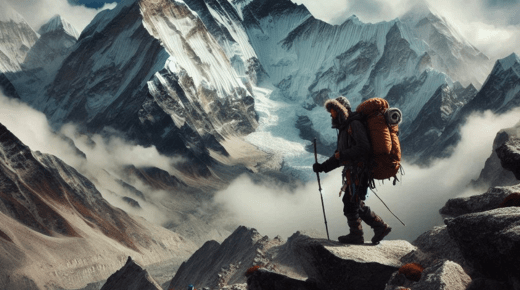
    Embarking on a Gokyo and Everest Base Camp trek with a Sherpa guide is an experience of a lifetime, a perfect fusion of adventure, cultural exploration, and breathtaking landscapes. As you walk deep into the heart of the Himalayas, the majestic mountains of Mount Everest, Lhotse, and Makalu seem to loom their presence over your journey. Approaching the trek, there is much more to savor than just reaching the lofty heights of the world’s tallest peak, which is also about drinking in the rich rhythms of the Sherpa culture, who have called these giant mountains home for centuries.

    Your adventure starts in Lukla, where a Sherpa guide and a lineup of porters await to help blaze the trail. Their knowledge of the terrain and connection to the mountains make sure you are on the right trails and not going in circles. You will also see stunning villages of Sherpas on the way interact with the villagers and learn about their customs and hospitality. The Sherpas, famed for being both athletic mountaineers and every bit the kind, welcoming locals, are the invaluable personnel providing guidance on the trek.

    Through verdant forests, over suspension bridges, and along rocky ridges, the landscape opens up over you as you follow your way up. The main highlight of the trip is reaching Everest Base Camp, where you will stand awestruck before the world’s highest mountain. The turquoise blue waters of the Gokyo Lakes make a serene and beautiful contrast against the rugged backdrop of Everest, with the snow-capped peaks of the mountains that surround it.

    Your Sherpa guide will guarantee your security, oversee your acclimatization, and reveal the history and spirituality of the region throughout the expedition. Their expertise lets you enjoy the experience and know that you’re in good hands. Trekking to Gokyo and Everest Base Camp — Guided by Sherpas, this exciting trek offers challenging terrain, cultural experiences, and priceless memories.

    About the Sherpa-Led Expedition

    One of the most rewarding ways to experience the Himalayas — particularly in revered areas like Everest Base Camp and Gokyo Lakes — is to join a Sherpa-led expedition. Sherpas are an ethnic group from Nepal and are famous for their mountaineering skills and familiarity with the high-altitude conditions of the Himalayas. These experienced guides offer not only safety but also an authentic cultural experience, transforming a trek into much more than a physical challenge.

    Everest base camp Trek Cost A trek with a Sherpa guide provides a level of trust and security; they possess valuable, local knowledge of the terrain, weather patterns, and altitudes.   Sherpas hold a deep bond with the mountains and can read signs of altitude sickness and other health problems. The main purpose of any expedition is to guide the group safely, maintain a steady pace, attend to essential acclimatization, and the complete security of trekkers for the entire journey. In addition to being the best high-altitude climbers in the world, Sherpas also serve as cultural ambassadors, introducing trekkers to the traditions, beliefs, and lifestyles of the native people. Hiking to Everest Base Camp or the Gokyo Lakes, a Sherpa-led expedition is an unforgettable way to experience the stunning natural beauty and cultural richness of Nepal.

    Why Choose a Sherpa-Led Trek?

    Why You Should Choose a Sherpa-led Trek (Especially for High-Altitude Treks)To further grow your understanding of the Everest Region, high-altitude treks such as Everest Base Camp and Gokyo Lakes can be considered as the option to choose a Sherpa-led trek. One of the major benefits of all of this is safety. Sherpas are seasoned high-altitude workers, well adapted to the high-altitude environment of the Himalayas. They are trained to look for signs of altitude sickness and other health problems, providing much-needed first aid as needed and ensuring proper acclimatization.

    EBC Cho La Pass Trek Sherpas also make sure backpackers trek at an appropriate rate, which helps acclimatize the body slowly to avoid altitude sickness. With local knowledge, they often prove indispensable when it comes to route planning, weather forecasting, and finding ways around whatever unexpected challenges trail life brings. But for pilgrims, travelers to high-altitude shrines like Everest, there’s a phrase that’s all the difference: in the company of a Sherpa, you have a guide, a gentle translator of the extremes, one who knows the land and the way, who helps put the edge back into your wick — whose very thread you might sport, knitted along your brow.

    Another major advantage of trekking with a Sherpa is the cultural experience. As ambassadors of their communities, the Sherpa share their culture, spirituality, and local customs. Trekking in the Himalayas is therefore more of a process of discovery than just visiting a world heritage site. And for an immersive, safe journey through the Himalayas, a Sherpa-led trek is an excellent option.

    Gokyo and Everest Base Camp Trek Highlights

    Below are some about Gokyo and Everest Base Camp trek in Nepal, including dates, packages, the best time to travel, and things to do. This trip combines two of the most remarkable destinations in the Everest region: Everest Base Camp and the impressive Gokyo Lakes.

    Everest Base Camp Trek Highlights Standing at the foot of the world’s tallest mountain- Mount Everest at Everest Base Camp. The hike to EBC is nothing short of breathtaking, as the hikers travel through fairytale villages such as Namche Bazaar, Tengboche, and Lobuche, where they meet Sherpa culture and some older monasteries there. The journey itself is iconic with stunning views of Everest, Lhotse, and other surrounding summits.

    Another of its highlights is the Gokyo Lakes, a chain of high-altitude glacial lakes. These lakes, nestled amongst snow-capped peaks, present some of the most spectacular views in the Himalayas. The view from the top of Gokyo Ri includes breathtaking panoramic views of the Everest region and includes Everest, Cho Oyu, Makalu, and Lhotse.

    One of the most popular adventures in the world is the hike, a blend of nature and cultural experiences. The Gokyo and Everest Base Camp trek is a once-in-a-lifetime challenge for people seeking a great adventure with beauty and culture.

    Comparing the Trekking Routes: Gokyo or Everest Base Camp?

    The Everest Base Camp trek and Gokyo Lakes trek are the most popular trekking routes in the Everest region of Nepal and offer different experiences. The Everest Base Camp trek is the more well-worn of the two, leading trekkers to the foot of Mount Everest, with bracing up-close views of the world’s highest peak, and hundreds of hours spent passing through Sherpa villages such as Namche Bazaar and Tengboche. It’s a fairly well-trodden route, with plenty of lodges and facilities along the way, resulting in palatable access to a wider range of trekkers.”

    In contrast, the Gokyo Lakes trek is a somewhat more secluded journey, guiding trekkers through the tranquil and untouched scenery of the Gokyo Lakes, a collection of high-elevation freshwater lakes ensconced amid the soaring neighboring Himalayan peaks. The hike provides great views of Everest and surrounding peaks as well but from another angle. Gokyo Lakes Trek – One of the best features of the Gokyo Lakes trek is its summit of Gokyo Ri, which provides one of the most magnificent panoramic views of the Everest region that embraces Everest, Cho Oyu, and Makalu.

    The Gokyo Lakes trek is a great alternative for trekkers looking for a slightly more peaceful and less crowded experience. However, most trekkers tend to do the combined treks for a complete Everest experience. In doing so, trekkers get to enjoy the iconic Everest Base Camp experience and get to enjoy the breathtaking beauty of Gokyo Lakes.

    Climbing Sherpa: The Unsung Heroes Of Your Adventure

    Sherpas are an invaluable part of any Himalayan trekking, especially when the route is as challenging as Everest Base Camp or Gokyo Lakes. Being native of the Khumbu region, Sherpas have a lot of local knowledge which is important for a safe and successful trip. It is thanks to their experience and expertise that most trekkers go unscathed, knowing they will not go off the beaten path or into areas where danger may lie.

    Everest Base Camp via Gokyo Trek One of the most vital functions Sherpas serve is assisting trekkers in combating altitude sickness, a frequent worry when undertaking high-level hikes such as Everest Base Camp and Gokyo Lakes. Sherpas are trained to spot early symptoms of altitude sickness and how to respond quickly. They monitor the health of trekkers, modifying the pace of the trek and recommending rest days if needed so trekkers can acclimatize.

    In addition to their navigational skills, Sherpas act as cultural guides, providing trekkers an opportunity to experience the customs, spirituality, and lifestyle of the Himalayan region. Their folk stories and history and local customs add more meaning, and immersion, to trekking. To many trekkers, Sherpas, whose skills, friendships, and companionship enliven the journey, are not just guides.

    Efficacy of Acclimatization Methods to Treat Altitude Sickness

    This is mainly because of the high altitudes, especially above the 5,000 mark (16,404 feet), like the Everest Base Camp and Gokyo Lakes trekking regions. Oxygen levels are lower and the risk of altitude sickness increases at such heights. This acclimatization process allows the body to adapt to the lower oxygen levels found at high altitudes, thus mitigating the risk of severe altitude sicknesses.

    The “climb high, sleep low” strategy is the most common method used to acclimatize. This means hiking to a higher elevation during the day, then sleeping at a lower elevation, so that the body can acclimate slowly. Essentially, reflects the fact that trekking itineraries to this region tend to include an acclimatization day or two, built-in to provide trekkers with sufficient time to adapt to the thinning air before continuing to (higher) ground.

    Gokyo to Everest Base Camp Trek Staying hydrated is another key to beating altitude sickness. Another tip is to drink more water while trekking because dehydration will speed up the symptoms of altitude sickness. Carbohydrates and high-calorie foods are also essential supplements for trekking the high altitudes.

    Sherpas, are experts at handling acclimatization if you will and they are invaluable. They keep a close eye on trekkers for symptoms of altitude sickness and make sure the pace is appropriate for adequate acclimatization. By using these strategies, and readily heeding Sherpas, trekkers can greatly lower their odds of altitude sickness — so there exists less suffering and a safer and more comfortable jaunt.

    Getting Physically Prepared for the Trek

    With difficult terrain and high altitudes, physical preparation will be an integral part of your trek to Everest Base Camp and Gokyo Lakes. To prepare for the challenging trek, focus on building your cardiovascular endurance, strength, and stamina. Improve stamina with regular aerobic conditioning, forcing both your lungs and legs to adapt to longer days of walking at changing altitudes, via activities like running, swimming, cyclin,g and hiking. Training with a backpack is also helpful since you’ll be carrying essential gear throughout the trek. Steep climbs and descents will call for musculature that squats, lunges, and leg presses will help develop.

    Flexibility contributes to injury prevention (particularly crucial in a region like this one with rugged terrain), along with cardiovascular fitness and strength. Do some stretching, yoga, or pilates, which will improve balance and flexibility, both of which become important when walking on uneven terrain. As well, slowly increasing your level of physical activity is also very important to prevent yourself from overdoing it during the climb. Alternatively, practicing at higher elevations or in conditions with less oxygen will also help acclimatize your body. Finally, be prepared mentally; walking high is mentally difficult; stay positive a be patient to keep you motivated and enjoyed.

    The Gear You Need to Bring and How to Pack It

    Gokyo Everest Base Camp Trek cost Gear List for Trek to Everest Base Camp and Gokyo Lakes You are trekking to Everest Base Camp and Gokyo Lakes — get this gear and more preparation for a trek for Everest Base Camp & Gokyo Lakes is not an easy task! Start with clothes — layering is essential in the uncertain weather of the Himalayas. Begin with base layers that wick away moisture and keep you dry and comfortable. Typically you’ll have a base layer (long sleeve shirt and pants), an insulation layer (a good fleece or down jacket for warmth), and then a waterproof and windproof outer layer to help protect you from rain, snow, and cold winds. For your feet, solid, high-ankled trekking boots with good tread are a must for going up steep and rocky ground, and several pairs of moisture-wicking socks are a necessity to prevent blisters.

    A lightweight, well-fitted backpack will be needed for carrying essentials such as water, snacks, and a first-aid kit. Trekking poles will help with balance and take some pressure off your knees, particularly on steep descents. For camping, where relevant, a good-quality sleeping bag with a low-temperature rating, as nighttime can be cold at high altitudes. And a headlamp or flashlight with backup batteries will be invaluable for early starts or late arrivals. Remember the basics: sunscreen, sunglasses, a hat, a camera, and a portable charger.

    Safety first: take a first-aid kit which should include bandages, antiseptic wipes, painkillers, and altitude sickness medicine. Carry a water purifier or carry purification tablets to ensure safe drinking water. Packing these things will guarantee that you’re ready to hit the trail, so you can main on the adventure.

    On The Trail: Sherpa Culture And Traditions

    Hiking through the Everest region is a great way to experience the rich Sherpa culture and traditions. Native to the Khumbu region of Nepal, the Sherpa people have a profound spiritual and cultural connection to the mountains. The Himalayas provide natural wonder and difficulty in equal measures; their grit and hospitality are legendary. Sherpas follow Tibetan Buddhism, which has a deep influence on their daily rituals, community life, and engagement with trekkers.

    You’ll also come across many Buddhist monuments like stupas, mani walls, and prayer flags, which are an important part of Sherpa culture. Prayer flags flutter in the winds sending prayers to the mountains and these sacred objects are believed to hold powers of blessing and protection. The Sherpas hold the concept that the mountains are sacred entities, especially Mount Everest, as an important part of their identity. Indeed, many Sherpas participate in ceremonies to pray for the gods of the mountains’ blessings before undertaking difficult climbs.

    Sherpas are also known for their hospitality and warmth. Along the trek, visitors are frequently welcomed into homes or teahouses where they’re offered traditional foods, including dal bhat (lentils and rice) and butter tea. The Sherpas guide trekking offers an in-depth cultural insight into their close-knit lifestyle. Trekking with Sherpas also provides an added layer of safety as they know the Everest region inside and out – from the terrain to the weather patterns.

    SURVIVING PERMITS AND REGULATIONS

    Trekking in Nepal, be it Everest Base Camp or Gokyo Lakes, you need to know and navigate the permits and requirements to enjoy a legal and hassle-free trek! The two main permits needed are the Sagarmatha National Park Permit and the TIMS (Trekkers’ Information Management System) Card. Entry into the national park (covering both Everest Base Camp and the Gokyo Lakes region) is subject to having a Sagarmatha National Park Permit. This permit, which supports the conservation of the area, costs approximately USD 30 for international trekkers.

    Gokyo and Everest Base Camp Trek price In addition, all trekkers are required to have a TIMS card, and it also allows the government to track visitors in the area. You get this card through registered long trek agencies. You may require additional permits, depending on your specific route such as if you’re heading to Gokyo Lakes or other restricted zones.

    Permits can be obtained in Kathmandu through trekking agencies or at the Nepal Tourism Board. As there are checkpoints along your route that will need to see your permits, it’s best to make sure you have all the necessary paperwork sorted out before you start your trek. Fines are tangible, so ensure that your actions do not breach environmental or cultural norms or rules kamat-kamat culture, killing, or even mam! Most of the paperwork will be handled by a licensed guide or trekking agency, allowing you to focus on the adventure, while making sure that you trek legally.

    Emergency Procedures and Safety Protocols

    When trekking in the Everest region, your safety comes first, especially at such high rates of altitude and hard terrain. Among the major threats is altitude sickness, which can affect trekkers at elevations of 2,500 meters and higher. Proper acclimatization is, therefore, highly essential to prevent this. Most hikes in the Himalayas can be done in a gradual ascent and then you would take rest days at certain altitudes for your body to acclimatize to the thin air. Symptoms of altitude sickness include headache, dizziness, nausea, and fatigue, and if any of these arise, it’s crucial to descend to a lower altitude immediately.

    One of the best ways to ensure safety is to trek with an experienced Sherpa guide. Sherpas are experienced in navigating the terrain, and trained to detect early symptoms of altitude sickness. They also know how to respond in emergencies, whether that means evacuating trekkers to a lower altitude or coordinating rescue operations if needed. Generally, It is recommended to travel with a trustworthy trekking agency that offers alternative communication devices such as satellite phones, as remote places could have limited access to medical services.

    A well-stocked first-aid kit is also crucial, with medications for altitude sickness, pain relief, blister treatment, and antiseptic wipes. It helps to know where nearby medical facilities are, and what to do in case of serious injury or illness, too. Safety on the trek can be managed well with the right precautions, and training, and Sherpa guides are experts in keeping you safe.

    Make Sure to Make Your Adventure Unforgettable

    Here are some tips to make your Gokyo Lakes and Everest Base Camp trek memorable and successful. The studio is not very precise, so take your time and enjoy it. The journey itself is a highlight, with breathtaking vistas, charming villages, and a culture filled with great excitement. Keep a steady pace, don’t rush — let your body acclimate properly, particularly as you increase in elevation.

    Another helpful tip is packing wisely. Even though it is tempting, bringing everything is not recommended, best to pack lightly carrying the essentials such as good clothing layers, sturdy boots, and hygiene items. Avoiding fatigue and sore backs on long days of trekking, a lightweight backpack will be a dream. You’ll need a good-quality camera to capture the breathtaking views, but be sure to leave room in your bag for practical gear.

    Be willing to adjust plans for changing weather conditions. Weather in the Himalayas can be erratic, so you should be equipped with rain, snow, or extreme cold gear. Roll with the punches, and trust your Sherpa guide to make changes if and when needed.

    Finally, take the time to get to know the local culture and the Sherpas on the way. Their hospitality and knowledge of the area will enhance your experience and provide broader insights into the places you are visiting. If you remain positive, well-prepared, and have an open mind, your expedition will not only be physically rewarding but also culturally enriching and absolutely unforgettable.

  • 5 Benefits of Choosing a Steel Garage for Your Home

    5 Benefits of Choosing a Steel Garage for Your Home

    When it comes to adding a garage or upgrading your existing one, the material you select plays a key role in long-term performance and functionality. More and more homeowners are choosing steel garages over traditional materials like wood or concrete—and for good reason. Steel garages offer a unique combination of durability, versatility, and affordability that other options simply can’t match.

    This post explores the top five benefits of choosing a steel garage for your home. Whether you’re looking to protect your vehicles, create extra storage space, or simply enhance your property’s value, here’s why steel should be your material of choice.

    Superior Durability and Strength

    Steel is renowned for its exceptional strength, which makes it an excellent material for long-lasting garages. Unlike wood, which can crack, split, or warp over time, steel maintains its structural integrity year after year.

    Steel garages are built to withstand harsh weather conditions, including heavy snow, strong winds, and even hail. Their resistance to rust and corrosion ensures they remain sturdy and functional for decades, especially when treated with protective coatings.

    Unlike wooden structures, steel garages are impervious to damage from termites, rodents, and other pests. This makes them a worry-free option for homeowners concerned about maintaining their investment.

    Low Maintenance Requirements

    One of the major perks of steel garages is how little upkeep they require compared to other materials. Traditional wooden garages often need frequent repairs, repainting, and sealing to prevent rot or decay. Steel garages, on the other hand, demand minimal attention.

    With their smooth surfaces, steel garages are incredibly easy to clean. A simple rinse with a hose or a quick scrub with soapy water is enough to keep them looking their best.

    Many manufacturers offer baked-on paint finishes or galvanized steel coatings that resist fading, chipping, and rust. These advanced coatings protect the structure from wear and tear, ensuring it remains attractive and functional for years.

    Cost-Effective and Eco-Friendly

    Steel is not only cost-effective—it’s also an environmentally friendly material for garage construction. For budget-conscious homeowners and those committed to reducing their environmental footprint, steel provides a winning combination of affordability and sustainability.

    Steel garages typically cost less to construct than their wood or masonry counterparts. Prefabricated steel kits, in particular, are an economical option, often coming with pre-cut and pre-drilled components for easy assembly.

    At the end of their lifespan, steel structures can be recycled, reducing waste and making steel an excellent choice for eco-conscious construction. Choosing steel contributes to the sustainable cycle of repurposing materials instead of relying on limited natural resources.

    Versatile Design Options

    Steel garages are not only practical—they can also be customized to meet your unique needs and tastes. Whether you want a sleek modern design or a traditional look, steel can be tailored to complement your home.

    Steel garages are available in various sizes, from compact single-car units to expansive multi-vehicle structures. Additional space can also be incorporated for storage, workshops, or hobby areas.

    Steel structures can be finished in a wide range of colors and textures, allowing you to create a personalized appearance that aligns with your home’s architectural style.

    Need more space in the future? Steel garages can be expanded easily with additional panels or extensions, giving you the flexibility to adapt the structure as your needs evolve.

    Quick and Easy Installation

    For many homeowners, the time and labor involved in traditional garage construction can be daunting. Steel garages, however, offer a hassle-free alternative with fast and efficient assembly.

    Prefabricated steel garage kits come with pre-measured, pre-drilled components that are easy to assemble. Many kits include comprehensive instructions, eliminating the need for specialized construction skills.

    Because steel garage parts are manufactured in advance, on-site construction time is significantly reduced. This allows homeowners to enjoy their new garage space sooner while minimizing disruptions to their daily routine.

    Final Thoughts

    By choosing a steel garage for your home, you’re investing in a structure that offers unmatched durability, low maintenance, cost savings, and design flexibility. Steel garages not only enhance the functionality of your property but also add value, making them a smart choice for any homeowner.

    If you’re considering a steel garage, now is the perfect time to explore your options. With advancements in design, insulation, and coatings, steel garages have become more versatile and durable than ever. Whether your goal is to protect your vehicles, create extra storage space, or build the workshop of your dreams, a steel garage can help you achieve it.


  • Is Orthopedic Sports Medicine the Right Fit for Chronic Joint Pain?

    Is Orthopedic Sports Medicine the Right Fit for Chronic Joint Pain?

    Chronic joint pain has a way of slowing people down—sometimes gradually, sometimes overnight. It lingers through workouts, workdays, and even rest, leaving many unsure where to turn. While it might sound like something only athletes need, orthopedic sports medicine can be a powerful option for everyday joint pain sufferers too.

    Personalized Orthopedic Strategies for Persistent Joint Issues

    Not all joint pain is the same, and that’s exactly why a cookie-cutter treatment won’t work. What sets orthopedic sports medicine apart is the ability to build a plan around each patient’s unique movement, pain points, and lifestyle. A sports medicine doctor near me takes into account not just where it hurts, but how the body moves—and what it needs to heal stronger.

    This kind of approach is especially helpful for people who’ve tried basic physical therapy or generic pain meds with no real improvement. By identifying the patterns of pain and function, a sports medicine doctor can help shape care that’s both targeted and lasting. Whether someone’s dealing with an old sports injury that never healed right or a slow-onset joint issue, these personalized strategies go beyond surface-level fixes.

    Minimally Invasive Approaches to Lasting Joint Relief

    Surgery isn’t the only path to relief. In fact, orthopedic sports medicine often leans on advanced techniques that avoid large incisions altogether. These minimally invasive options—like joint injections, ultrasound-guided therapies, or arthroscopic procedures—allow for quicker healing and less downtime.

    For those living with daily joint discomfort, these tools offer real hope. A sports medicine doctor near me can often provide treatments that restore function without putting the patient through major surgery. The focus stays on relieving pain while preserving the joint as much as possible. These modern, low-impact procedures are becoming go-to solutions for both athletes and non-athletes alike.

    Custom Rehab Plans Tailored to Your Chronic Joint Pain

    Rehabilitation is where long-term recovery really begins. But it has to be built right—especially when pain has been hanging around for months or even years. With orthopedic sports medicine, rehab plans don’t follow a one-size-fits-all model. Instead, they’re tailored specifically to the joint, the pain history, and the person.

    A skilled sports medicine doctor works closely with physical therapists and movement specialists to design targeted exercises. These help strengthen surrounding muscles, improve flexibility, and retrain how joints move. And because the plan is customized, it evolves over time—meeting the patient where they are and pushing progress without overdoing it.

    Advanced Diagnostics Pinpointing Joint Pain Causes

    One of the biggest frustrations with chronic joint pain is not knowing exactly what’s causing it. People often get vague answers like “wear and tear” or “just inflammation.” Orthopedic sports medicine offers something better: high-level diagnostic tools that get to the root of the issue.

    Whether it’s through digital imaging, motion analysis, or lab testing, a sports medicine doctor near me can provide clarity. Knowing the exact cause means treatment isn’t just a guess—it’s focused and effective. That precision helps avoid wasted time, unnecessary medication, and long-term damage that comes from mistreating the wrong thing.

    Expert Sports Medicine Techniques to Restore Joint Mobility

    Regaining mobility is often more important than just masking pain. A joint that moves well is less likely to get injured again, and orthopedic sports medicine zeroes in on that goal. A sports medicine doctor will often incorporate hands-on techniques like manual therapy or guided stretching to reintroduce healthy joint motion.

    These techniques aren’t just for pro athletes. Anyone who’s had limited range in a shoulder, knee, or hip knows how frustrating that loss can be. Over time, limited movement can change posture, balance, and even cause pain elsewhere. Restoring mobility through expert-level methods can bring back everyday function—like climbing stairs or getting up without hesitation.

    Integrated Non-Surgical Therapies for Joint Health

    Pain relief doesn’t always come from a scalpel or a prescription pad. Often, what joints need is a complete plan that includes non-surgical therapies—something orthopedic sports medicine excels at. This might include regenerative treatments, dry needling, or therapeutic ultrasound to calm inflammation and promote tissue repair.

    These therapies work best when paired with movement-based solutions. A sports medicine doctor near me often recommends them as part of a full-circle approach to healing. They aim to treat pain at its source, not just on the surface. For those who want real progress without invasive steps, this route provides balance and relief with fewer risks.

    Comprehensive Injury Prevention to Stop Joint Pain Recurrence

    Stopping joint pain is only half the challenge. Keeping it from coming back takes just as much effort. That’s where orthopedic sports medicine shines—by helping people understand how to move better and protect their joints long-term. This might mean changing a workout routine, adjusting posture at work, or improving joint mechanics.

    A sports medicine doctor looks at the big picture. They don’t just treat pain; they help prevent it. With a mix of physical training, education, and ongoing support, patients walk away not only feeling better—but knowing how to stay that way. That’s a game-changer, especially for those who’ve cycled through flare-ups for years without real answers.

  • Understanding Return on Investment (ROI) in Sports Betting | Reddy Anna Case Studies

    Understanding Return on Investment (ROI) in Sports Betting | Reddy Anna Case Studies

    In the world of sports betting, the most successful bettors aren’t just lucky—they’re strategic. They treat their betting activity the same way investors treat financial markets: with caution, discipline, and a sharp focus on profitability. One of the most essential metrics for evaluating success in this field is Return on Investment (ROI).

    At its core, ROI tells you how much you’re earning in comparison to how much you’re spending. It’s a concept that applies universally—whether you’re buying stocks, real estate, or placing wagers on cricket, football, or any other sport. And at Reddy Anna Official, we emphasize this concept as a cornerstone of smart, long-term betting strategies.

    What Is ROI in Betting?

    Return on Investment in sports betting is calculated as:

    ROI = (Profit / Total amount wagered) x 100

    Let’s say you’ve placed a total of ₹10,000 in bets over the course of a month and ended up with a profit of ₹1,000. Your ROI would be:

    (1,000 / 10,000) x 100 = 10%

    This 10% return tells you how efficiently you are using your bankroll. A higher ROI means you’re making more money for every rupee wagered.

    Most professional bettors don’t just focus on how often they win—they focus on how much value they get out of every bet. ROI provides a long-term lens through which to evaluate your betting performance.

    Why ROI Matters More Than Win Rate

    A common misconception among novice punters is that a high win rate equals profitability. But if you’re consistently betting on low-value or low-odds outcomes, you could be winning more often but losing money overall. ROI eliminates this illusion by measuring efficiency, not frequency.

    For instance, you might have a win rate of 70%, but your ROI could still be negative if your losses outweigh your gains. That’s why serious bettors track their ROI over hundreds or even thousands of bets to gauge how successful they truly are.

    Our Reddy Anna Sports ID service gives punters the tools and access they need to start betting smart. Whether you’re focusing on cricket, football, or kabaddi, keeping an eye on ROI helps you stay grounded in reality.

    Making Betting an Investment

    Treating your bankroll as an investment changes your entire perspective. Instead of emotional or impulsive wagers, you start making strategic decisions. You begin thinking in terms of percentages, not individual wins or losses.

    This is where the concept of value betting comes into play. By identifying outcomes where the odds underestimate the true probability, you position yourself to gain long-term positive ROI. It’s the same as buying undervalued stocks—you’re leveraging the gap between real value and market perception.

    At Reddy Anna, we promote this mindset shift—one that leads to long-term profitability instead of short-term thrills.

    Tools to Improve ROI

    There are several ways to maximize your return:

    • Track your bets: Maintain a spreadsheet or use apps that record your wager history.
    • Specialize: Focus on a single sport or league where your knowledge gives you an edge.
    • Bankroll management: Only risk 1–3% of your bankroll per bet to sustain losses and keep playing the long game.
    • Take advantage of bonuses and promotions from trusted platforms.

    If you ever need help refining your betting approach, our team is always available through our contact page.

    Final Thoughts

    ROI is not just a statistic—it’s a strategy. When approached with discipline and a long-term vision, sports betting can move from mere entertainment to a calculated investment opportunity. Tracking ROI ensures you’re not just playing, but growing your returns over time.

    Join the Reddy Anna community and start viewing your betting journey like a seasoned investor. It’s not just about who wins the game—it’s about how you win with your bankroll

  • Discover the Best Personal Trainer in Singapore for Your Fitness Journey

    Discover the Best Personal Trainer in Singapore for Your Fitness Journey

    In the bustling city of Singapore, where life moves at a fast pace, maintaining a healthy lifestyle can be challenging. Whether you are a busy professional, a stay-at-home parent, or someone looking to kickstart their fitness journey, hiring a personal trainer in Singapore can be a game-changer. With the right guidance, motivation, and personalized workout plans, you can achieve your fitness goals more effectively.

    Why Choose a Personal Trainer in Singapore?

    1. Expert Guidance: A personal trainer brings a wealth of knowledge and expertise to your fitness routine. They can assess your current fitness level, understand your goals, and create a tailored workout plan that suits your needs. This personalized approach ensures that you are not just following generic routines but engaging in exercises that are effective for you.

    2. Motivation and Accountability: One of the biggest challenges in maintaining a fitness routine is staying motivated. A personal trainer provides the encouragement you need to push through tough workouts and stay committed to your goals. They hold you accountable, ensuring that you show up for your sessions and stay on track.

    3. Safety and Injury Prevention: Working out without proper guidance can lead to injuries. A qualified personal trainer teaches you the correct form and technique for each exercise, minimizing the risk of injury. They can also modify exercises to accommodate any pre-existing conditions or injuries you may have.

    4. Flexible Training Options: With the rise of home workouts, many personal trainers in Singapore now offer home training sessions. This means you can enjoy the benefits of personal training in the comfort of your own home. Whether you prefer outdoor workouts in a park or indoor sessions, a home personal trainer can adapt to your preferences.

    Home Personal Trainer Singapore: Convenience at Your Doorstep

    For those with busy schedules, a home personal trainer in Singapore is an ideal solution. You can save time on commuting to the gym and focus on your workout. Home training sessions can be tailored to your space and equipment availability, making it a convenient option for many.

    Imagine having a professional trainer come to your home, bringing all the necessary equipment and expertise to guide you through a challenging workout. This convenience allows you to fit fitness into your daily routine without the added stress of traveling to a gym.

    Personal Trainer Female Singapore: Empowering Women in Fitness

    In recent years, there has been a growing demand for female personal trainers in Singapore. Many women prefer to work with female trainers for various reasons, including comfort, understanding, and relatability. Female personal trainers can provide a supportive environment that empowers women to achieve their fitness goals.

    Whether you are looking to lose weight, build strength, or improve your overall fitness, a female personal trainer can offer tailored programs that cater to your specific needs. They understand the unique challenges women face in their fitness journeys and can provide the motivation and support necessary to overcome them.

    Finding the Best Personal Trainer in Singapore

    When searching for the best personal trainer in Singapore, consider the following tips:

    1. Qualifications and Experience: Look for trainers with recognized certifications and a proven track record. Experience in the fitness industry can make a significant difference in the quality of training you receive.

    2. Specializations: Some trainers specialize in specific areas, such as weight loss, strength training, or rehabilitation. Choose a trainer whose expertise aligns with your fitness goals.

    3. Client Testimonials: Reading reviews and testimonials from previous clients can provide insight into a trainer’s effectiveness and approach.

    4. Trial Sessions: Many trainers offer trial sessions. Take advantage of this opportunity to see if their training style suits you before committing to a long-term program.

    Conclusion

    Investing in a personal trainer in Singapore can be one of the best decisions you make for your health and fitness. With expert guidance, motivation, and personalized training plans, you can achieve your fitness goals more efficiently. Whether you prefer the convenience of a home personal trainer or the empowerment of working with a female trainer, there are plenty of options available to suit your needs. Start your fitness journey today and discover the transformative power of personal training!