Blog

  • The Beauty and Versatility of Corian Worktops

    The Beauty and Versatility of Corian Worktops

    When it comes to kitchen and bathroom surfaces, Corian worktops have emerged as a popular choice for homeowners and designers alike. Known for their exceptional beauty, durability, and versatility, Corian worktops have revolutionized interior design. In this article, we will explore the many advantages of Corian worktops, their diverse applications, and why they are a favored choice for both residential and commercial spaces.

    What Are Corian Worktops?

    Corian is a solid surface material made from a combination of natural minerals and acrylic polymer. Developed and produced by DuPont, it is engineered to be non-porous, durable, and resistant to stains, making it ideal for a wide range of applications. Corian worktops are countertop surfaces created from this versatile material, which is known for its seamless appearance and design flexibility.

    Aesthetic Appeal

    One of the primary reasons why Corian worktops are sought after is their aesthetic appeal. They offer a sleek, contemporary look that complements various design styles, from modern and minimalist to traditional and classic. Corian is available in a wide array of colors, patterns, and textures, allowing for customization that suits any interior design vision.

    Durability and Longevity

    Corian worktops are built to withstand the test of time. The material is non-porous, meaning it is resistant to moisture, making it highly durable and less prone to staining. Additionally, Corian is resistant to heat, impact, and scratches, ensuring it remains in pristine condition even in the most active kitchens and bathrooms.

    Seamless Integration

    Corian worktops are renowned for their seamless appearance. The material can be molded and shaped to create continuous surfaces without any visible seams or joints. This design feature not only enhances the aesthetic but also contributes to the worktop’s overall durability and ease of maintenance.

    Easy Maintenance

    Corian worktops are low-maintenance surfaces. They can be easily cleaned with mild soap and water, and there is no need for specialized cleaning products. Corian’s non-porous nature prevents the growth of mold, mildew, and bacteria, making it a hygienic choice for kitchens and bathrooms.

    Versatility in Applications

    Corian worktops are versatile and can be used in a variety of applications, including:

    a. Kitchens: Corian worktops are ideal for kitchen countertops, offering a seamless and stylish surface that can withstand the rigors of cooking and food preparation.

    b. Bathrooms: Corian is a popular choice for bathroom vanity tops, shower enclosures, and wall cladding, adding elegance and durability to the space.

    c. Commercial Spaces: Corian worktops find applications in various commercial settings, such as restaurants, hotels, and offices, where aesthetics and durability are crucial.

    d. Retail and Healthcare: Retail spaces and healthcare facilities often choose Corian for its hygiene and aesthetic properties, as well as its ability to endure high traffic.

    Customization and Design Flexibility

    Corian worktops offer unparalleled design flexibility. They can be customized to fit any space, with the ability to include integrated sinks, backsplashes, and other design elements. This flexibility allows for creative and functional solutions tailored to the specific needs of the room.

    Environmental Responsibility

    Corian is a sustainable choice. The material is GREENGUARD certified for indoor air quality and has low VOC (Volatile Organic Compounds) emissions. Additionally, Corian worktops are repairable and renewable, reducing the need for replacement and minimizing waste.

    Conclusion

    Corian worktops have carved a niche for themselves in the world of interior design due to their aesthetic appeal, durability, and versatility. Whether you are renovating your kitchen, redesigning a bathroom, or enhancing a commercial space, Corian worktops offer a solution that combines beauty with practicality. Their seamless integration, easy maintenance, and design flexibility make them a favored choice among homeowners, designers, and architects, ensuring that Corian worktops will continue to shape modern interiors for years to come.

    For more information visit Stone Design UK

  • Stag Do Ideas: Unforgettable Bachelor Party Adventures

    Stag Do Ideas: Unforgettable Bachelor Party Adventures

    A stag do, also known as a bachelor party or stag party, is a pre-wedding celebration for the groom and his closest friends. It’s an opportunity for the groom and his buddies to have one last epic adventure before he ties the knot. If you’re tasked with planning a stag do and need some exciting ideas, you’ve come to the right place. In this article, we’ll explore a range of unique and unforgettable stag do ideas to make the groom’s send-off into married life a memorable one.

    1. Outdoor Adventure Weekend:

    For an adrenaline-packed experience, consider an outdoor adventure weekend. Activities can include white-water rafting, zip-lining, rock climbing, or even a weekend of camping and hiking in a scenic wilderness. This option is perfect for adventure-loving grooms and their friends.

    2. Casino Night:

    If the groom enjoys a bit of risk and reward, organize a casino night. Rent a private room in a casino, set up some poker tables, and enjoy a night of gaming, drinks, and friendly competition. It’s an excellent choice for a groom who enjoys a taste of the high life.

    3. Golf Getaway:

    For a more relaxed and refined celebration, plan a golf getaway. Head to a golf resort or a picturesque golf course where the groom and his friends can enjoy a few rounds of golf, followed by a leisurely dinner and drinks at the club.

    4. Sporting Event Spectacular:

    For sports-loving grooms, attending a major sporting event is a fantastic idea. Secure tickets to a big game, whether it’s football, baseball, or any other sport the groom is passionate about. Make it extra special by tailgating before the event.

    5. Whiskey or Beer Tasting Tour:

    If the groom is a connoisseur of fine spirits, consider organizing a whiskey or beer tasting tour. Visit local distilleries or breweries, and sample a variety of delicious drinks. It’s an excellent opportunity to bond with the groom over his favorite beverages.

    6. Themed Costume Party:

    A themed costume party is always a hit. Choose a fun and creative theme, such as ’80s retro, superheroes, or a favorite movie, and have everyone dress up accordingly. It’s a lighthearted and entertaining way to celebrate the groom’s last days of bachelorhood.

    7. Road Trip Extravaganza:

    Hit the open road with a stag do road trip. Plan a route that includes visiting multiple destinations, from vibrant cities to scenic landscapes. Ensure there are plenty of stops for sightseeing, outdoor activities, and good food along the way.

    8. Adventure Sports Day:

    For the adrenaline junkie groom, arrange a day of adventure sports. Options include skydiving, bungee jumping, paintball, or even a day at a motorsports track where you can race cars or off-road vehicles.

    9. Comedy Club Night:

    A night at a comedy club can be a fantastic way to enjoy humor and camaraderie. Laugh together at stand-up comedians while enjoying drinks and a light meal.

    10. Yacht Party:

    If you’re near a coastal location, consider a yacht party. Charter a private yacht for a day or evening cruise with cocktails, music, and water-based activities like snorkeling or fishing. It’s a luxury option for grooms who enjoy the finer things in life.

    Conclusion:

    A stag do is an opportunity to celebrate the groom’s upcoming marriage with unforgettable experiences and cherished memories. The key to planning the perfect stag do is to consider the groom’s interests, personality, and preferences. Whether he’s a thrill-seeker, a sports fanatic, a whiskey aficionado, or someone who simply enjoys a good laugh, there’s a stag do idea that will suit his taste and make this pre-wedding celebration one for the books. So, gather the groom’s best friends, start planning, and get ready for an incredible bachelor party adventure.

    For more stag do ideas, check this out.

  • The Ultimate Guide to Food Shipping Service: A Taste of Convenience

    The Ultimate Guide to Food Shipping Service: A Taste of Convenience

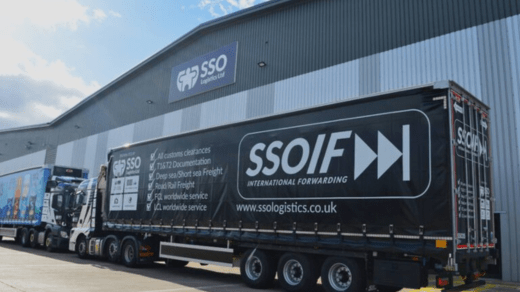
    In today’s fast-paced world, food enthusiasts, restaurants, and food businesses are constantly seeking ways to indulge their taste buds or reach a broader audience. This is where a reliable food shipping service comes into play. Food shipping services have become an essential component of the food industry, offering convenience and accessibility to a wide range of culinary delights. In this article, we’ll explore the ins and outs of food shipping services and their significance in the modern culinary landscape.

    The Rise of Food Shipping Services

    Food shipping services have witnessed a remarkable surge in popularity, largely owing to the following factors:

    1. Globalization of Cuisine: With the internet breaking down geographical barriers, food lovers now have access to culinary delights from around the world. Food shipping services have made it possible to enjoy authentic dishes from different cultures without leaving your home.
    2. Restaurant Expansion: Food businesses, including restaurants and bakeries, are increasingly expanding their reach through food shipping services. This not only allows them to cater to a broader customer base but also ensures that their signature dishes maintain their quality during transit.
    3. Convenience: The modern consumer values convenience, and food shipping services provide just that. Whether it’s a busy professional, a home chef looking for specialty ingredients, or someone craving a particular dish, having food delivered to their doorstep is the ultimate convenience.

    Key Benefits of Food Shipping Services

    1. Diverse Culinary Experiences: Food shipping services offer an array of culinary options, from exotic international cuisine to gourmet, artisanal products. This diversity is a boon for those looking to explore new tastes and flavors.
    2. Freshness Guaranteed: Reputable food shipping services ensure that your food arrives fresh and in optimal condition. This is achieved through carefully designed packaging and efficient logistics.
    3. Convenience: Ordering food through a shipping service is hassle-free. With a few clicks or taps, you can have your favorite dishes or ingredients delivered to your door, eliminating the need for time-consuming grocery shopping or dining out.
    4. Specialty Items: Food shipping services are a haven for those searching for rare or hard-to-find ingredients. Home chefs and culinary enthusiasts can source specific items to elevate their dishes.
    5. Supporting Local Businesses: Many food shipping services partner with local restaurants and suppliers, providing a platform for small businesses to reach a wider audience. This promotes entrepreneurship and supports the local economy.

    How to Choose the Right Food Shipping Service

    When selecting a food shipping service, it’s essential to consider several factors:

    1. Reliability: Look for a service with a reputation for timely and dependable deliveries. Read reviews and seek recommendations to gauge their reliability.
    2. Quality Packaging: The quality of packaging is crucial to ensure that your food arrives in perfect condition. Choose a service that takes extra care in this regard.
    3. Product Range: Assess the variety of food products they offer. A broader selection means you can explore a wider range of cuisines and flavors.
    4. Pricing and Shipping Costs: Compare prices and shipping costs to ensure you’re getting the best value for your money. Be wary of hidden fees.
    5. Customer Service: A responsive and helpful customer service team is a significant asset, especially if you encounter any issues with your order.

    In conclusion, food shipping services have revolutionized the way we experience food. They offer unparalleled convenience, diverse culinary experiences, and the opportunity to support local businesses. As the food shipping industry continues to expand and innovate, it’s safe to say that the taste of convenience is here to stay. So, the next time you’re craving your favorite dish from a far-off restaurant or searching for that elusive ingredient, consider using a food shipping service for a delightful culinary adventure.

    For more information on SSO International Freight Forwarding

  • Mastering Precision and Efficiency: The Power of Grinding Machines and Machinery

    Mastering Precision and Efficiency: The Power of Grinding Machines and Machinery

    Grinding machines and machinery play a pivotal role in manufacturing and metalworking industries, delivering precision and efficiency that are essential for producing high-quality products. In this article, we’ll delve into the world of grinding machines and machinery, exploring their significance and applications in various industries.

    What Are Grinding Machines and Machinery?

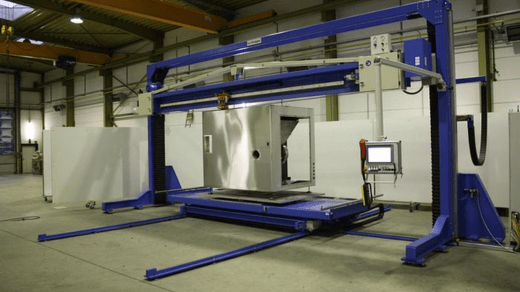
    Grinding machines are powerful tools designed for the precise removal of material from a workpiece using abrasives. These machines come in various forms, from handheld grinders for small-scale tasks to large industrial grinding machinery capable of handling heavy-duty operations.

    The Importance of Grinding Machinery:

    1. Precision: Grinding machinery is renowned for its ability to achieve high levels of precision. It can produce parts and components with tight tolerances, ensuring that the final product meets exact specifications. This precision is crucial in industries such as aerospace and automotive manufacturing.
    2. Surface Finish: Grinding machines excel at delivering superior surface finishes. They can transform rough surfaces into smooth, polished ones, enhancing both functionality and aesthetics. This is especially important in industries where aesthetics matter, such as jewelry manufacturing.
    3. Versatility: Grinding machinery is incredibly versatile. It can be used for a wide range of materials, including metals, ceramics, plastics, and more. This adaptability makes it a valuable asset across numerous industries.
    4. Efficiency: Grinding machines are designed for efficiency. They remove material quickly and consistently, reducing production time and costs. In high-volume manufacturing, this efficiency can significantly impact the bottom line.

    Applications of Grinding Machines and Machinery:

    1. Metalworking: In metalworking industries, grinding machines are used to shape, finish, and sharpen metal parts. This includes processes like surface grinding, cylindrical grinding, and centerless grinding. These machines are indispensable for producing precision components used in automotive, aerospace, and machinery manufacturing.
    2. Tool and Cutter Grinding: Grinding machinery is essential for tool and cutter grinding, where cutting tools like drills and end mills are resharpened to maintain their cutting performance. This is crucial in maintaining the quality of machined parts.
    3. Surface Finishing: In industries where surface finish is critical, such as jewelry making or medical device manufacturing, grinding machinery is used to achieve the desired surface texture and shine.
    4. Food Industry: Grinding machinery is employed in the food industry to process various food products, including spices, coffee beans, and grains. It ensures consistency in particle size, enhancing the quality of the final product.
    5. Woodworking: In woodworking, grinding machines are used for tasks like sharpening woodworking tools, creating smooth surfaces, and shaping wood for various applications.

    Choosing the Right Grinding Machinery:

    Selecting the right grinding machinery for your specific application is crucial. Consider the following factors:

    1. Type of Grinding: Determine the type of grinding required, whether it’s surface grinding, cylindrical grinding, or another specific process.
    2. Material: Consider the material you’ll be working with, as different materials may require specialized grinding machines and abrasives.
    3. Precision Requirements: Assess the level of precision your application demands. Some industries require extremely tight tolerances, while others can tolerate more variation.
    4. Production Volume: The volume of production plays a significant role in selecting the size and capacity of grinding machinery. High-volume operations may require larger, automated machines.

    In conclusion, grinding machines and machinery are essential tools in various industries, offering precision, efficiency, and versatility. They are the backbone of manufacturing, ensuring that products meet the highest standards of quality and consistency. Whether you’re in metalworking, woodworking, or food processing, choosing the right grinding machinery is key to achieving optimal results in your operations. Visit Sparx Machine Tools for more.

  • Short Term Business Finance: Navigating Financial Challenges with Agility

    Short Term Business Finance: Navigating Financial Challenges with Agility

    In the dynamic world of business, financial needs often arise unexpectedly. Short-term business finance serves as a crucial tool for companies to address these immediate financial challenges. Whether it’s covering operational expenses, taking advantage of growth opportunities, or managing cash flow fluctuations, short-term business finance provides the flexibility and agility needed to navigate these situations. This article delves into the significance of short-term business finance, its types, and how it supports companies in achieving their goals.

    1. Working Capital Management:
    Short-term business finance is essential for maintaining working capital. Working capital represents the funds needed for day-to-day operations, such as paying suppliers, employees, and utility bills. Short-term loans and lines of credit can be used to bridge gaps in working capital, ensuring that operations run smoothly.

    2. Cash Flow Management:
    Cash flow fluctuations are common in business, with periods of both abundance and scarcity. Short-term finance options like revolving credit lines provide businesses with the ability to manage cash flow effectively. During lean periods, these funds can cover expenses until revenue is received.

    3. Seasonal Fluctuations:
    Many businesses experience seasonal fluctuations in demand and revenue. Short-term finance allows them to prepare for peak seasons by stocking up on inventory, hiring additional staff, or launching marketing campaigns. When the season ends, businesses can repay the borrowed funds.

    4. Capitalizing on Opportunities:
    Business opportunities often come with a limited window for action. Whether it’s a chance to secure discounted inventory, acquire a competitor, or expand into new markets, short-term finance provides the means to capitalize on these opportunities quickly.

    5. Emergency Expenses:
    Unexpected expenses can arise at any time, such as equipment breakdowns, property damage, or sudden regulatory changes. Short-term loans offer a lifeline, allowing businesses to address emergency expenses without disrupting their operations.

    6. Supplier Discounts:
    Some suppliers offer discounts for early payments. Short-term financing can be used to take advantage of these discounts, reducing procurement costs and enhancing profitability.

    7. Bridge Financing:
    When businesses are awaiting long-term financing, such as a term loan or equity investment, short-term financing can serve as a bridge to cover immediate needs. It ensures that business operations continue while long-term financing arrangements are being finalized.

    8. Short-Term Loans:
    Short-term loans are one of the most common forms of short-term business finance. They provide a lump sum of capital that must be repaid within a specified period, typically less than one year. Interest rates and terms vary, and loans can be secured or unsecured.

    9. Revolving Credit Lines:
    Revolving credit lines provide ongoing access to funds. Businesses can borrow, repay, and re-borrow as needed, making them a flexible solution for managing cash flow fluctuations and working capital needs.

    10. Trade Credit:
    Trade credit is a form of short-term finance in which suppliers offer favorable payment terms to businesses. It allows companies to obtain goods or services on credit, typically with a set payment period.

    11. Invoice Financing:
    Invoice financing, or accounts receivable financing, allows businesses to obtain funds by selling their outstanding invoices to a financial institution at a discount. This provides immediate cash flow while the lender collects payment from customers.

    12. Merchant Cash Advances:
    Merchant cash advances provide businesses with a lump sum of cash in exchange for a percentage of future credit card sales. Repayment is based on daily credit card transactions, making it suitable for businesses with high credit card sales.

    In conclusion, short-term business finance is a critical financial tool that supports companies in addressing immediate financial challenges, managing working capital, and seizing growth opportunities. Whether through short-term loans, revolving credit lines, trade credit, or other forms of short-term financing, businesses can maintain financial agility and adapt to the dynamic demands of the business world. This flexibility empowers companies to thrive, grow, and navigate the ever-evolving landscape of commerce with confidence.

    Check out Business Finance House for more information.

  • Caravan Window Rubber: The Unsung Hero of Mobile Comfort

    Caravan Window Rubber: The Unsung Hero of Mobile Comfort

    In the world of caravans and recreational vehicles (RVs), every component plays a crucial role in ensuring the comfort and functionality of these mobile homes. While many features such as kitchens, bathrooms, and sleeping areas garner significant attention, it’s the less conspicuous elements like caravan window rubber that quietly but indispensably contribute to the overall well-being of travelers.

    1. Weatherproofing:

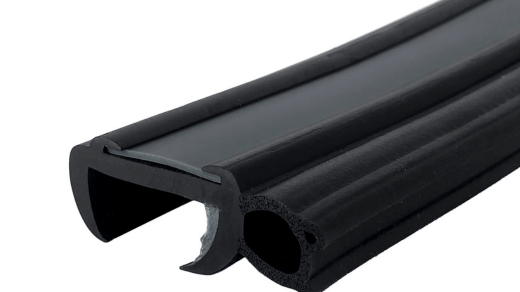
    Caravan window rubber, often made of durable rubber or synthetic materials, serves as a vital barrier against the elements. Caravans and RVs are designed to travel far and wide, often through various weather conditions, from rain to scorching heat. The rubber seal creates a weatherproof barrier around windows, preventing water, dust, and wind from entering the living space. This essential function keeps the interior dry and comfortable, no matter the weather outside.

    2. Thermal Insulation:

    Beyond weatherproofing, caravan window rubber contributes to thermal insulation. It plays a role in preventing heat exchange between the interior and exterior. By creating a tight seal around windows, it minimizes air leakage and temperature fluctuations. This helps maintain a comfortable living environment, reduces the need for excessive heating or cooling, and conserves energy.

    3. Noise Reduction:

    The rubber seals also serve as sound insulators. They absorb vibrations and reduce external noise, creating a quieter living space. This feature is invaluable when camping in busy campgrounds, near noisy neighbors, or along highways. Reduced noise enhances the comfort and serenity of travelers, allowing them to relax and enjoy their surroundings without disturbances.

    4. Security Enhancement:

    Caravan window rubber is integral to the security of the vehicle. A properly sealed window is more challenging to open from the outside, serving as a deterrent against unauthorized entry. This additional layer of protection contributes to the overall safety and peace of mind of travelers.

    5. Moisture Prevention:

    Condensation can be a common issue inside caravans and RVs due to temperature variations between the interior and exterior. Well-maintained and sealed windows with caravan rubber seals help mitigate the formation of condensation on the interior window surfaces. This is essential for preventing moisture-related issues such as mold, mildew, and damage to the interior structure and furnishings.

    6. Energy Efficiency:

    Energy efficiency is a key consideration for those traveling in caravans. By sealing windows tightly and preventing air leaks, caravan window rubber contributes to the overall energy efficiency of the vehicle. When conditioned air doesn’t escape through improperly sealed windows, it reduces the energy consumption of heating or cooling systems. This, in turn, can extend the life of appliances and reduce the environmental impact of caravan travel.

    7. Regular Maintenance:

    To ensure that caravan window rubber remains effective, regular inspection and maintenance are necessary. Over time, exposure to the elements can cause rubber seals to wear out, become brittle, or develop cracks. Prompt replacement of damaged or deteriorating seals is crucial to maintain the comfort, safety, and overall well-being of travelers.

    In conclusion, caravan window rubber is an unsung hero in the world of mobile living. While it may not be the most glamorous feature of a caravan, it plays a multifaceted role in protecting against the elements, regulating temperature, insulating against sound, enhancing security, preventing moisture buildup, and improving energy efficiency. Whether you’re a full-time traveler or an occasional adventurer, these rubber seals are integral to ensuring your comfort and safety while on the road. Regular inspection and maintenance of window rubber seals should be a standard practice for any conscientious caravan owner, ensuring worry-free and enjoyable journeys.

    Check out Seals Direct for more information.

  • Conservation Rooflights: Illuminating Heritage and Sustainability

    Conservation Rooflights: Illuminating Heritage and Sustainability

    Conservation Rooflights: Illuminating Heritage and Sustainability

    Introduction:

    Conservation rooflights are a unique and innovative architectural feature designed to preserve the aesthetic and historical integrity of heritage buildings while incorporating modern sustainability practices. These rooflights play a significant role in creating a harmonious blend of natural light, energy efficiency, and heritage preservation. In this article, we will delve into the world of conservation rooflights, exploring their benefits, features, and the role they play in heritage conservation and sustainable design.

    1. What Are Conservation Rooflights?

    Conservation rooflights, also known as heritage rooflights, are carefully designed skylights or windows installed in heritage and historically significant buildings. They are engineered to replicate traditional designs while incorporating modern materials and energy-efficient technologies. The primary goal of these rooflights is to allow natural light to flood into interior spaces while preserving the original character and appearance of the building.

    2. Preserving Heritage and Historical Significance:

    Heritage and historic buildings often have unique architectural features and designs that are of great cultural and historical value. Conservation rooflights are essential for maintaining the character and appearance of these structures. They allow natural light to enhance the building’s interior without compromising its external appearance.

    3. Benefits of Conservation Rooflights:

    • Enhanced Natural Lighting: Conservation rooflights allow an abundance of natural light to enter a building, creating a bright and inviting interior space.
    • Energy Efficiency: Many modern conservation rooflights are designed with energy efficiency in mind, using advanced glazing materials that reduce heat loss and minimize energy consumption.
    • Ventilation Options: Some conservation rooflights can be opened to provide natural ventilation, improving indoor air quality and reducing the need for mechanical cooling.
    • Aesthetic Integration: Conservation rooflights are available in various styles and materials, ensuring they blend seamlessly with the existing architecture.

    4. Types of Conservation Rooflights:

    There are various types of conservation rooflights to choose from, including:

    • Flush-Glazed Rooflights: These rooflights sit flush with the surrounding roofing materials, creating a seamless and unobtrusive appearance.
    • Slimline Rooflights: Slimline designs are characterized by minimalistic framing, maximizing the amount of natural light that enters the building.
    • Thermally Efficient Rooflights: These rooflights incorporate advanced glazing and insulation materials to improve energy efficiency and reduce heat loss.
    • Opening Rooflights: Some conservation rooflights can be opened to provide both light and ventilation.

    5. Sustainable Design and Conservation:

    Conservation rooflights play a crucial role in sustainable design by reducing the need for artificial lighting during daylight hours. By harnessing natural light, these rooflights contribute to energy conservation and reduced electricity consumption. Moreover, modern conservation rooflights are designed to minimize heat loss, which further enhances energy efficiency.

    6. Regulatory Compliance:

    Heritage and historic buildings are often subject to strict regulations and preservation guidelines. Conservation rooflights are typically designed to meet these requirements, ensuring they comply with historical preservation standards while providing modern performance.

    7. Installation and Maintenance:

    Installing conservation rooflights should be carried out by professionals experienced in heritage preservation and architectural design. Proper maintenance is crucial to ensure the longevity and performance of these rooflights, which may include regular cleaning, resealing, and glazing replacement if necessary.

    Conclusion:

    Conservation rooflights represent a perfect marriage of heritage preservation and sustainability. These architectural features provide the precious gift of natural light to historical and heritage buildings, enhancing their interior spaces without compromising their historical significance. Additionally, they contribute to energy efficiency and reduced environmental impact, aligning with the growing importance of sustainable design and construction. Conservation rooflights are not merely windows in the roof; they are gateways to a brighter, more sustainable future for our architectural heritage.

    Check out Rainclear Systems for more information.

    Conservation rooflights are a unique and innovative architectural feature designed to preserve the aesthetic and historical integrity of heritage buildings while incorporating modern sustainability practices. These rooflights play a significant role in creating a harmonious blend of natural light, energy efficiency, and heritage preservation. In this article, we will delve into the world of conservation rooflights, exploring their benefits, features, and the role they play in heritage conservation and sustainable design.

    1. What Are Conservation Rooflights?

    Conservation rooflights, also known as heritage rooflights, are carefully designed skylights or windows installed in heritage and historically significant buildings. They are engineered to replicate traditional designs while incorporating modern materials and energy-efficient technologies. The primary goal of these rooflights is to allow natural light to flood into interior spaces while preserving the original character and appearance of the building.

    2. Preserving Heritage and Historical Significance:

    Heritage and historic buildings often have unique architectural features and designs that are of great cultural and historical value. Conservation rooflights are essential for maintaining the character and appearance of these structures. They allow natural light to enhance the building’s interior without compromising its external appearance.

    3. Benefits of Conservation Rooflights:

    • Enhanced Natural Lighting: Conservation rooflights allow an abundance of natural light to enter a building, creating a bright and inviting interior space.
    • Energy Efficiency: Many modern conservation rooflights are designed with energy efficiency in mind, using advanced glazing materials that reduce heat loss and minimize energy consumption.
    • Ventilation Options: Some conservation rooflights can be opened to provide natural ventilation, improving indoor air quality and reducing the need for mechanical cooling.
    • Aesthetic Integration: Conservation rooflights are available in various styles and materials, ensuring they blend seamlessly with the existing architecture.

    4. Types of Conservation Rooflights:

    There are various types of conservation rooflights to choose from, including:

    • Flush-Glazed Rooflights: These rooflights sit flush with the surrounding roofing materials, creating a seamless and unobtrusive appearance.
    • Slimline Rooflights: Slimline designs are characterized by minimalistic framing, maximizing the amount of natural light that enters the building.
    • Thermally Efficient Rooflights: These rooflights incorporate advanced glazing and insulation materials to improve energy efficiency and reduce heat loss.
    • Opening Rooflights: Some conservation rooflights can be opened to provide both light and ventilation.

    5. Sustainable Design and Conservation:

    Conservation rooflights play a crucial role in sustainable design by reducing the need for artificial lighting during daylight hours. By harnessing natural light, these rooflights contribute to energy conservation and reduced electricity consumption. Moreover, modern conservation rooflights are designed to minimize heat loss, which further enhances energy efficiency.

    6. Regulatory Compliance:

    Heritage and historic buildings are often subject to strict regulations and preservation guidelines. Conservation rooflights are typically designed to meet these requirements, ensuring they comply with historical preservation standards while providing modern performance.

    7. Installation and Maintenance:

    Installing conservation rooflights should be carried out by professionals experienced in heritage preservation and architectural design. Proper maintenance is crucial to ensure the longevity and performance of these rooflights, which may include regular cleaning, resealing, and glazing replacement if necessary.

    Conclusion:

    Conservation rooflights represent a perfect marriage of heritage preservation and sustainability. These architectural features provide the precious gift of natural light to historical and heritage buildings, enhancing their interior spaces without compromising their historical significance. Additionally, they contribute to energy efficiency and reduced environmental impact, aligning with the growing importance of sustainable design and construction. Conservation rooflights are not merely windows in the roof; they are gateways to a brighter, more sustainable future for our architectural heritage.

    Check out Rainclear systems for more information.

  • The Protective Shield: Powder Coating in Worcestershire

    The Protective Shield: Powder Coating in Worcestershire

    Powder coating has emerged as a powerful and versatile finishing technique in Worcestershire, offering a durable and protective shield to a wide range of surfaces. Whether you are looking to enhance the appearance of your metal objects or need a long-lasting solution for corrosion resistance, powder coating in Worcestershire is a reliable choice. In this article, we will delve into the world of powder coating, its applications, benefits, and why it is the go-to solution for many industries.

    What is Powder Coating?

    Powder coating is a dry finishing process that involves applying a finely ground, electrostatically charged powder to the surface of an object. The powder adheres to the object’s surface, creating a uniform and durable coating that can provide both aesthetic and protective benefits. Once the powder is applied, the coated object is heated, allowing the powder to melt and flow, forming a tough, seamless finish.

    Versatility in Applications

    Powder coating is known for its versatility and can be applied to a wide range of surfaces, including:

    a. Metal: It is most commonly used to coat metal objects such as automotive parts, appliances, industrial machinery, and architectural elements.

    b. Wood: Powder coating on wood is becoming increasingly popular for its durability and environmental benefits.

    c. Plastic: Some specialized powder coatings are designed to adhere to plastic surfaces, enhancing their appearance and resilience.

    d. Glass: In certain applications, such as glass railings, powder coating can be used to add color and protection.

    Key Benefits of Powder Coating

    Powder coating in Worcestershire offers several advantages that make it a preferred choice for both industrial and residential applications:

    a. Durability: Powder coating creates a robust, protective layer that is resistant to chipping, scratching, fading, and corrosion, ensuring the longevity of coated objects.

    b. Environmental Friendliness: Powder coating is an eco-friendly option as it does not involve the use of solvents or emit volatile organic compounds (VOCs). Excess powder can also be recycled, reducing waste.

    c. Customization: Powder coatings are available in a wide range of colors, textures, and finishes, allowing for limitless customization to match your aesthetic preferences.

    d. Cost-Efficiency: The durability of powder-coated surfaces reduces the need for frequent maintenance and replacements, resulting in long-term cost savings.

    e. Fast Curing: The curing process of powder coating is quick, reducing the downtime associated with the application of traditional liquid coatings.

    Industrial and Residential Applications

    The versatility and durability of powder coating make it suitable for various applications in Worcestershire, including:

    a. Automotive: Powder coating is used to protect and enhance the appearance of automotive parts, from alloy wheels to engine components.

    b. Architectural: It is a popular choice for architectural elements like railings, gates, fencing, and outdoor furniture due to its ability to withstand the elements.

    c. Manufacturing: Powder coating is widely used in manufacturing industries to coat machinery, equipment, and metal products for corrosion protection.

    d. Residential: Homeowners use powder coating for items such as outdoor furniture, garden tools, metal gates, and even bicycle frames.

    Conclusion

    Powder coating in Worcestershire is the protective shield that not only enhances the appearance of objects but also ensures their long-lasting durability. With its versatility, environmental benefits, and cost-efficiency, powder coating has become a trusted finishing technique in various industries. Whether you want to revamp the look of your home or protect vital industrial equipment, powder coating offers a durable and aesthetically pleasing solution that is making a significant impact in Worcestershire and beyond.

    For more information Pershore Drip Coating

  • Unlocking Success: The Role of a Branding Agency in Building Your Brand”

    Unlocking Success: The Role of a Branding Agency in Building Your Brand”

    In today’s fiercely competitive business landscape, branding plays a pivotal role in the success of any company. Your brand is not just a logo or a catchy tagline; it’s the personality and identity of your business. Creating a strong and memorable brand is no small feat, and that’s where a branding agency comes into play. In this article, we’ll explore the invaluable role of a branding agency in helping businesses craft, refine, and elevate their brand identity.

    1. What is a Branding Agency?

    A branding agency is a specialized firm that focuses on building and managing brand identities for businesses. These agencies have a team of creative professionals, including designers, strategists, and marketing experts, who work collaboratively to develop a unique and compelling brand for their clients. They create a cohesive brand image that resonates with the target audience, sets a business apart from its competitors, and communicates the company’s values and message.

    2. Defining and Refining Brand Identity:

    One of the primary roles of a branding agency is to define or refine a company’s brand identity. They help answer fundamental questions such as:

    • What is the company’s mission and values?
    • Who is the target audience?
    • What sets the company apart from competitors?
    • What emotions and associations should the brand evoke?

    By delving into these essential aspects, a branding agency can create a brand strategy that guides all branding efforts, from the logo design to marketing campaigns.

    3. Crafting Visual Elements:

    Visual identity is a crucial aspect of branding. It includes the design of logos, color schemes, typography, and various graphical elements that represent the brand. A branding agency employs skilled designers who can create a visually appealing and consistent brand identity that resonates with the audience. This visual identity is used across all marketing collateral, from business cards to website design, ensuring a coherent and memorable brand image.

    4. Developing a Unique Brand Voice:

    Your brand’s voice is the way it communicates with the audience. It’s about the tone, language, and messaging used in all forms of communication, from website content to social media posts. A branding agency helps shape this voice to ensure it aligns with the brand’s values and speaks directly to the target audience. Consistency in this messaging is key to creating a strong and recognizable brand.

    5. Market Research and Competitive Analysis:

    Understanding the competitive landscape is crucial for branding success. A branding agency conducts market research and competitive analysis to identify industry trends, consumer behaviors, and the strategies of competitors. This knowledge helps in positioning the brand effectively and setting it apart in the market.

    6. Brand Strategy and Implementation:

    Once the brand identity is defined, a branding agency creates a comprehensive strategy that outlines how the brand will be introduced or repositioned in the market. This includes plans for brand launch, marketing campaigns, and brand maintenance. The agency ensures that the brand is implemented consistently across all touchpoints.

    7. Measuring and Adapting:

    The work of a branding agency doesn’t end with the launch of a brand. They continuously measure the impact of the brand and its effectiveness in the market. If necessary, they adapt and refine the brand strategy to ensure it remains relevant and resonates with the audience as market dynamics change.

    8. Building Brand Equity:

    Brand equity is the perceived value of a brand in the eyes of consumers. A well-executed branding strategy can build strong brand equity, leading to customer loyalty, trust, and the ability to charge premium prices. Branding agencies understand the importance of nurturing and growing brand equity over time.

    Conclusion:

    In a world where first impressions and lasting impressions matter, a branding agency is a strategic partner that helps businesses create and maintain a brand identity that stands out, connects with the audience, and drives success. The investment in a branding agency’s expertise is often returned in the form of a strong, memorable, and profitable brand that continues to grow in value.

    Check out ParaStudio for more information.

  • Outsourcing HR in Warrington: Streamlining Business Operations and Enhancing Efficiency

    Outsourcing HR in Warrington: Streamlining Business Operations and Enhancing Efficiency

    In Warrington, a vibrant town in the North West of England, businesses of all sizes are constantly looking for ways to optimize their operations and maintain a competitive edge in an ever-evolving market. One effective strategy that has gained prominence in recent years is the outsourcing of human resources (HR) functions. Outsourcing HR in Warrington can provide a range of benefits to businesses, allowing them to focus on their core activities while entrusting HR experts to handle critical workforce management tasks.

    1. Cost Efficiency:
    One of the primary reasons businesses in Warrington choose to outsource HR functions is the potential for cost savings. By outsourcing, companies can avoid the expenses associated with hiring and training in-house HR personnel. They can also eliminate costs related to maintaining HR technology and software. Outsourcing firms in Warrington often offer competitive pricing structures, making it a financially prudent decision for businesses.

    2. Access to HR Expertise:
    HR outsourcing firms in Warrington specialize in HR practices and employment laws. They provide businesses with access to a team of HR professionals who are well-versed in industry regulations and best practices. This expertise is particularly valuable for small and medium-sized enterprises that may not have the resources to hire full-time HR professionals.

    3. Time Savings:
    Managing HR functions can be time-consuming, from recruiting and onboarding new employees to administering benefits and payroll. Outsourcing HR in Warrington allows business owners and managers to focus on their core responsibilities while leaving HR tasks to the experts. This time-saving aspect can greatly enhance operational efficiency.

    4. Scalability:
    Warrington businesses often experience fluctuations in workforce size and HR needs. HR outsourcing firms can quickly adapt to these changes, ensuring that businesses have the necessary support during periods of growth or downsizing. This scalability provides flexibility and cost-effectiveness.

    5. Compliance and Risk Management:
    Staying compliant with employment laws and regulations is crucial for businesses in Warrington. HR outsourcing firms are well-equipped to ensure that businesses adhere to legal requirements, reducing the risk of costly non-compliance issues and legal disputes.

    6. Employee Development and Engagement:
    HR outsourcing extends beyond administrative tasks. Many firms offer employee development and engagement services, including training, performance management, and employee assistance programs. These services contribute to a motivated and productive workforce.

    7. Enhanced Recruitment and Talent Acquisition:
    Warrington businesses can benefit from the recruitment expertise of HR outsourcing firms. They have access to a broader talent pool, utilize advanced recruitment technologies, and can efficiently fill vacancies with the right candidates.

    8. Focus on Core Business Activities:
    Outsourcing HR allows businesses to concentrate on their core competencies, such as product development, service delivery, or strategic planning. This undivided attention to essential business functions can lead to increased innovation and competitiveness.

    9. Reduced HR Technology Costs:
    The expense of HR technology and software can be a burden for small and medium-sized businesses in Warrington. Outsourcing HR often includes access to state-of-the-art HR management systems, reducing the need for businesses to invest in their own technology infrastructure.

    10. Mitigation of HR-Related Risks:
    HR outsourcing firms take on the responsibility of mitigating HR-related risks, including employee disputes, terminations, and compliance issues. This not only shields businesses from potential liabilities but also ensures HR matters are handled professionally.

    In conclusion, outsourcing HR functions in Warrington is a strategic move for businesses aiming to enhance their efficiency, reduce costs, and ensure compliance with employment laws. By partnering with HR outsourcing firms, businesses can access specialized expertise, streamline their HR processes, and free up valuable time and resources for their core activities. This approach empowers Warrington businesses to focus on their growth, innovation, and competitive edge in an ever-evolving business landscape.

    Check out People Based HR for more information.