
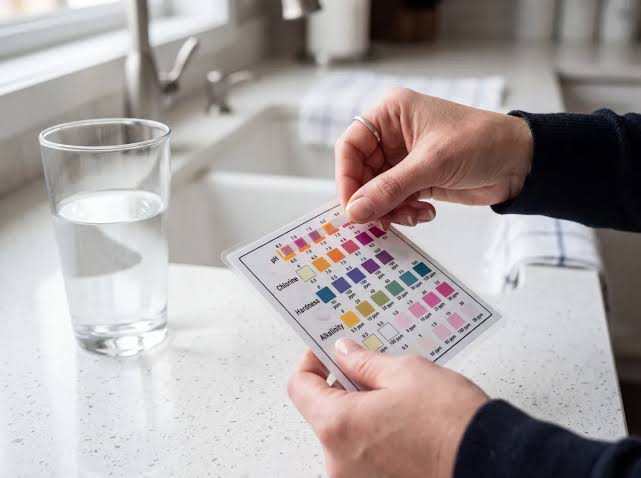
Water is one of those things we tend to take for granted. We turn on the tap, fill a glass, make tea, cook dinner, or take a shower without wondering what’s actually flowing through the pipes. But when water starts leaving stains, tastes unusual, or creates stubborn mineral buildup, those everyday routines can become frustrating.
A water test can help explain what’s happening. It provides useful information about minerals, chemical properties, and possible contaminants, giving homeowners a clearer picture of their water quality. The challenge is knowing how to interpret the results without getting lost in unfamiliar measurements and technical terms.
Why Water Testing Is Worth Your Time
Not every water problem is obvious. Water may appear perfectly clear but contain dissolved minerals or substances that affect its taste, plumbing, or suitability for certain uses. On the other hand, a visible issue doesn’t always mean the water is unsafe.
Understanding water quality report readings is a good starting point for identifying what may need attention. A typical report can include measurements such as pH, total dissolved solids, hardness, iron, chlorine, and other parameters depending on the laboratory test.
These readings help distinguish between aesthetic concerns and issues that may require further investigation. For instance, hard water can cause scale around faucets and inside water heaters, while certain contaminants may need specific treatment even when the water looks and smells normal.
Instead of guessing based on appearance, testing allows homeowners to make decisions using actual measurements.
Understanding the Numbers on Your Water Report
Water test results can seem intimidating at first, particularly when several parameters are listed alongside different units. Most measurements, however, have a straightforward purpose.
pH indicates whether water is acidic, neutral, or alkaline. It can be relevant when assessing corrosion, scaling, and overall water chemistry. Total dissolved solids, or TDS, represent the combined concentration of dissolved substances in water, including minerals and salts.
Hardness is commonly associated with calcium and magnesium. These minerals aren’t generally a health concern at typical levels, but they can create practical problems around the home. Soap may not lather properly, glassware can develop spots, and heating equipment may accumulate scale over time.
The important thing is to look at the results as a whole. A single measurement rarely tells the complete story, and the meaning of a result depends on the water source, intended use, and applicable standards.
Hardness and Chlorine: Two Common Household Concerns
Many homeowners pay particular attention to water hardness and chlorine test results because these two factors can influence their everyday experience with water.
Hardness is often noticeable before anyone checks a test report. Soap feels less effective, shower surfaces develop chalky deposits, and kettles may need frequent cleaning. A water softener can help reduce calcium and magnesium hardness, protecting plumbing and making routine cleaning easier.
Chlorine, meanwhile, is commonly used to disinfect public water supplies. It helps control harmful microorganisms during distribution, which is an important part of protecting drinking water. However, some people notice a chlorine-like taste or odor when filling a glass or taking a shower.
Activated carbon filtration can reduce chlorine under suitable conditions, often improving taste and odor. But chlorine shouldn’t automatically be treated as something undesirable in every circumstance. Its role in water disinfection is important, and treatment decisions should consider the source and the actual measurements.
Looking Beyond Taste, Smell, and Appearance
A water test can reveal more than the issues people notice around sinks and showers. Some substances have no obvious taste, smell, or visible appearance, which is why testing is particularly important when using private wells or investigating specific concerns.
The relationship between water quality indicators and contaminants is worth understanding before choosing a filtration system. Indicators such as pH, turbidity, conductivity, and TDS help describe the physical and chemical characteristics of water. Contaminant testing may focus on substances such as lead, arsenic, nitrates, or microorganisms, depending on the source and potential risks.
These categories aren’t interchangeable. A low TDS reading, for example, doesn’t prove that water is free from harmful contaminants. Similarly, clear water isn’t necessarily microbiologically safe.
When a test identifies a concern, it’s important to use appropriate laboratory methods and compare the results with relevant health-based guidelines rather than relying on general internet advice.
Choosing Water Treatment Based on Test Results
Once the report is understood, selecting a treatment system becomes much easier. Different technologies address different concerns, and installing the wrong system can lead to unnecessary expenses.
Sediment filters are useful for reducing suspended particles. Activated carbon can improve certain taste and odor issues and reduce some chemicals. Water softeners target hardness minerals, while reverse osmosis systems can reduce various dissolved substances when properly designed and maintained.
The right choice depends on the water source, test findings, daily consumption, plumbing setup, budget, and maintenance expectations. A professional assessment can help connect the laboratory results with practical treatment options.
Making Better Decisions About Everyday Water
Water testing isn’t about creating unnecessary worry. It’s about replacing assumptions with information. A well-explained report can help homeowners understand their water, recognize potential problems, and decide whether treatment would genuinely make a difference.
Sometimes the results show that no major changes are needed. Other times, a simple filter or softener may solve a persistent problem that’s been bothering the household for months.
Either way, understanding your water is a useful step toward better maintenance, greater confidence, and more informed choices. When you know what’s coming out of your tap, choosing how to improve it becomes a whole lot easier.