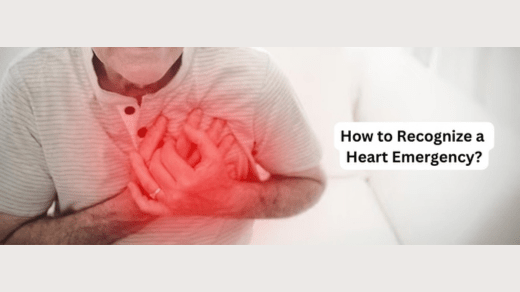
A heart emergency is a life-threatening situation that demands immediate attention and intervention. Recognizing the signs and symptoms of a heart emergency can be the difference between life and death. This comprehensive guide provides valuable insights into identifying a heart emergency, understanding the various cardiac conditions, and highlights the importance of seeking prompt care at a reputable cardiology hospital like Apollo Hospital Bangalore.
Common Heart Emergencies:
- Heart Attack (Myocardial Infarction):
A heart attack occurs when blood flow to a part of the heart muscle is blocked. Recognizing the signs is crucial:
- Chest Pain or Discomfort: Often described as crushing, squeezing, or burning.
- Radiating Pain: Can extend to the arms, neck, jaw, shoulder, back, or stomach.
- Shortness of Breath: May be accompanied by chest pain.
- Cold Sweat: Profuse sweating without a clear cause.
- Nausea or Vomiting: Some individuals may experience these symptoms.
- Cardiac Arrest:
Cardiac arrest is a sudden loss of heart function, leading to unconsciousness and the absence of a pulse. Key signs include:
- Sudden Loss of Responsiveness: The person is unresponsive and not breathing normally.
- Agonal Gasps: Irregular, gasping breaths may be observed.
- Stroke:
A stroke occurs when blood flow to the brain is disrupted. Recognize the signs using the acronym FAST:
- Face: Ask the person to smile. Is one side of their face drooping?
- Arms: Ask them to raise both arms. Does one arm drift downward?
- Speech: Check their speech. Is it slurred or incomprehensible?
- Time: Time is critical. If you observe any of these signs, call for help immediately.
Immediate Actions:
In a heart emergency, every second counts. Here’s what you should do:
- Call 911 or Emergency Services
If you suspect a heart emergency, call for professional medical assistance immediately. Time is crucial in saving a life.
- Perform CPR (Cardiopulmonary Resuscitation)
If the person is unresponsive and not breathing or breathing irregularly, begin CPR. Here’s how:
- Place the heel of one hand on the center of the chest.
- Place the other hand on top and interlock the fingers.
- Perform chest compressions at a rate of 100-120 compressions per minute.
- Allow the chest to fully recoil between compressions.
- If trained, combine CPR with rescue breaths.
- Use an Automated External Defibrillator (AED)
If an AED is available, follow the device’s instructions for delivering a shock if needed. AEDs are designed for use by non-medical personnel and can significantly improve survival rates.
Preventing Heart Emergencies
While immediate action is critical during a heart emergency, it’s equally essential to focus on prevention. Here are some steps to reduce the risk:
1. Healthy Lifestyle
- Adopt a balanced diet rich in fruits, vegetables, whole grains, lean proteins, and low in saturated fats, trans fats, and sodium.
- Engage in regular physical activity.
- Avoid smoking and limit alcohol consumption.
- Maintain a healthy weight.
2. Regular Check-Ups
- Schedule regular check-ups with a cardiologist, especially if you have risk factors like high blood pressure, diabetes, or a family history of heart disease.
3. Know Your Numbers
- Keep track of your blood pressure, cholesterol levels, and blood sugar.
- Work with your healthcare provider to manage these numbers effectively.
4. Medication Adherence
- If prescribed medication for heart conditions, take it as directed.
5. Learn CPR
- Knowing CPR can be a lifesaving skill in a cardiac emergency.
6. Reduce Stress
- Practice stress-reduction techniques such as meditation, yoga, or deep breathing exercises.
Seeking Care at Apollo Hospital Bangalore
When it comes to heart emergencies or cardiac care in Bangalore, Apollo Hospital is a trusted name. Here’s why:
- Expertise: Apollo Hospital Bangalore boasts a team of highly skilled cardiologists, cardiac surgeons, and emergency medicine specialists with vast experience in treating heart emergencies.
- State-of-the-Art Facilities: The hospital is equipped with advanced technology, including catheterization labs, cardiac monitoring units, and a dedicated emergency department.
- Comprehensive Cardiac Care: Apollo Hospital provides comprehensive cardiac care, from diagnostics and emergency interventions to rehabilitation and long-term management.
- Research and Innovation: The hospital is committed to advancing cardiac care through research and innovation, ensuring patients have access to the latest advancements in heart emergency treatment.
In conclusion, recognizing a heart emergency and taking immediate action is paramount. Knowing the signs, performing CPR if necessary, and seeking prompt medical care at a reputable cardiology hospital in Bangalore like Apollo Hospital can make all the difference in saving a life. Prevention remains the best strategy, and adopting a heart-healthy lifestyle is key to reducing the risk of heart emergencies in the first place.