When Water Quality Becomes a Business Priority: A Real Look at Smarter Filtration and Softening
Walk into any busy restaurant kitchen early in the morning and you’ll hear the hum of dishwashers, the hiss of steam, and the steady rush of water running through sinks and equipment. It’s easy to overlook just how much businesses rely on clean, balanced water. Yet behind the scenes, water quality quietly affects everything—from equipment lifespan to customer experience.
For many companies, the issue only becomes obvious when something goes wrong. Maybe glassware starts showing cloudy spots. Perhaps boilers need repairs far more often than expected. Sometimes employees notice odd tastes in beverages or food. These small problems often trace back to one thing: untreated or poorly treated water.
That’s where commercial water softeners come into the conversation. But the real story is bigger than just softening water. It’s about efficiency, reliability, and creating an environment where businesses can operate smoothly without constant maintenance headaches.
Why Hard Water Can Be a Hidden Expense
Hard water—water with high levels of calcium and magnesium—doesn’t usually look dramatic. It flows normally from taps and pipes. But over time, those minerals build up in ways that quietly damage equipment.
Think about heating elements in coffee machines or boilers. Mineral deposits collect on their surfaces, forming scale. This scale acts like insulation, forcing machines to work harder to heat water. The result? Higher energy costs and equipment that fails sooner than expected.
Hotels, restaurants, manufacturing facilities, and healthcare centers feel this impact more than most. A restaurant dishwasher running dozens of cycles a day, for example, may experience heavy scaling within months if the water isn’t treated properly.
The financial side of this problem adds up quickly—maintenance calls, replacement parts, downtime, and wasted energy. For businesses running tight schedules and budgets, those disruptions can become surprisingly expensive.
A Practical Role for Filtration Systems
Water treatment isn’t just about removing hardness minerals. In many commercial environments, filtration plays an equally important role.
Sediment, chlorine, organic compounds, and even traces of industrial contaminants can influence water quality. In food service, these impurities affect taste and odor. In manufacturing, they may interfere with processes or sensitive equipment.
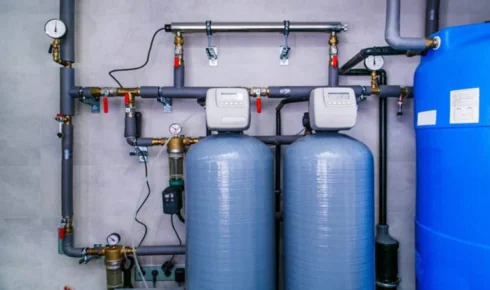
This is where commercial water filtration systems enter the picture. These systems are designed to handle large volumes of water while removing unwanted particles and chemicals. The goal isn’t just cleaner water—it’s consistency.
Consistency matters more than people often realize. A café that relies on precise coffee extraction needs water with balanced mineral content. A brewery, similarly, depends on controlled water chemistry to maintain flavor profiles.
Without reliable filtration, businesses may find themselves constantly adjusting recipes, cleaning equipment, or troubleshooting issues that never quite disappear.
Not Every Business Needs the Same Approach
One interesting thing about water treatment is how different every location can be. Two businesses in the same city may experience entirely different water challenges depending on supply sources, pipe systems, or even seasonal changes.
A car wash facility might need powerful scale control to protect pumps and nozzles. A hotel might prioritize soft water to prevent laundry and plumbing problems. A medical facility, meanwhile, may require advanced filtration to protect sensitive sterilization equipment.
That’s why modern water systems tend to be designed as business solutions rather than one-size-fits-all products. Engineers and water specialists often analyze the incoming water supply, measure mineral levels, and then recommend a tailored system that fits the specific environment.
Sometimes that means combining filtration with softening technology. Other times it involves adding carbon filters, reverse osmosis systems, or specialized media that targets particular contaminants.
The result is a treatment setup that works quietly in the background—doing its job without constant attention.
The Often Overlooked Benefit: Equipment Longevity
Businesses tend to focus on immediate improvements when installing water treatment systems. Cleaner dishes. Better tasting drinks. Less visible scale.
But the real payoff often appears over the long term.
When water is properly treated, equipment tends to last much longer. Boilers operate more efficiently. Ice machines stay cleaner. Coffee machines require fewer repairs. Plumbing systems remain free of mineral buildup.
This doesn’t just reduce repair costs—it also improves operational reliability. And reliability, in busy commercial settings, is priceless. Nobody wants to cancel reservations or halt production because a scaled-up heating element finally gave out.
It’s the sort of quiet upgrade that makes daily operations smoother without drawing attention to itself.
Thinking About Sustainability
There’s another layer to the water treatment conversation that businesses are paying more attention to lately: sustainability.
Efficient systems reduce water waste, energy consumption, and chemical use. When equipment operates at full efficiency, less electricity is required to heat or pump water. Maintenance chemicals and cleaning cycles can also be reduced.
Many modern water systems are designed with these goals in mind. They regenerate less frequently, optimize flow rates, and monitor performance digitally to minimize resource consumption.
For businesses trying to lower operating costs while also meeting environmental goals, these improvements can make a noticeable difference.
A Quiet Investment That Pays Off
Water rarely gets the spotlight in business planning meetings. It’s simply expected to work. But when quality issues arise, they ripple across operations—from energy bills to equipment repairs to product quality.
Installing the right treatment system isn’t just a technical upgrade. It’s more like preventative maintenance for an entire operation.
Restaurants maintain flavor consistency. Hotels protect plumbing systems. Manufacturing plants keep equipment running smoothly. Even small cafés notice improvements in drink quality and machine reliability.
In many ways, water treatment is one of those behind-the-scenes decisions that supports everything else.
And perhaps that’s the best way to think about it. Not as a flashy investment or a trendy upgrade—but as a practical, thoughtful step toward making everyday business operations run just a little bit better.