
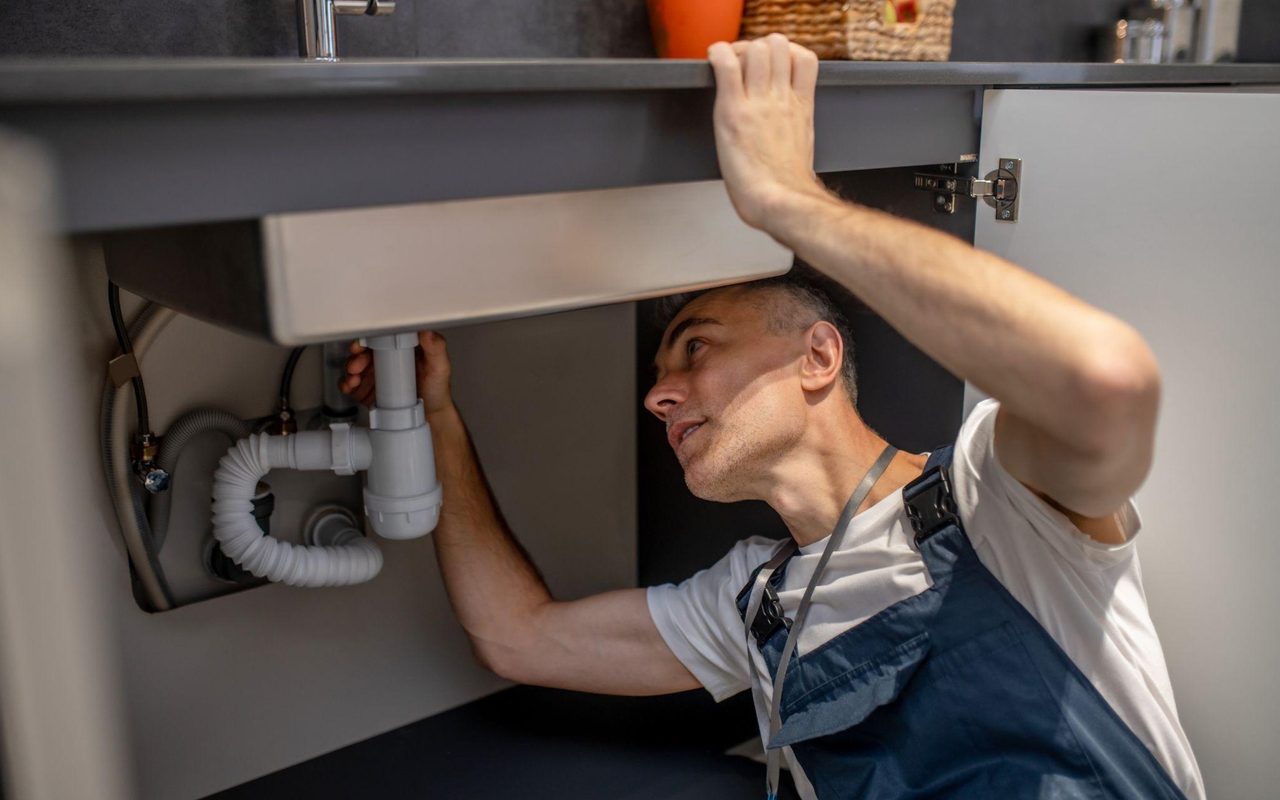
The call is made, and help is on the way. Now you’re standing in the kitchen with water creeping across the tile, wondering what on earth to do for the next half hour. Those minutes count. What you do before a Hartselle plumber pulls into the driveway can decide whether you’re mopping up a small mess or replacing a floor. The good news is that you don’t need special tools or training just these five steps, in this order.
Step 1: Shut Off the Water Supply
This comes first, always. Find your main shutoff valve. In most homes, it sits near the water meter, close to where the line enters the house, or inside a garage, basement, or utility closet. A round handle turns clockwise until it stops. A lever handle needs a quarter turn so it sits across the pipe.
If the leak is under a sink or behind a toilet, there’s usually a small valve right there that you can close instead. Once the water is off, open a faucet on the lowest floor to drain what’s left in the lines. If you can’t find the valve or it won’t budge, don’t force it. Tell the plumber when they arrive.
Step 2: Cut the Power Near Wet Areas
Water and electricity don’t get along. Look around the leak for outlets, power strips, appliances, and your breaker panel. If everything near the panel is dry, switch off the breaker for the affected room. If the panel itself is wet, or you’d have to wade through water to reach it, stay away and call an electrician or your utility.
If the leak is at your water heater, turn off its power as well. Flip the breaker for an electric unit, or set a gas unit to “off” or “pilot.” Never reach into standing water to unplug anything.
Step 3: Contain and Clear the Standing Water
Now slow the damage. Put a bucket under any active drip, then soak up puddles with towels, a mop, or a wet vac. Pull rugs, boxes and electronics out of the wet zone, and lift furniture onto blocks or foil if you can’t move it.
Run fans and open windows if the weather allows. Mold can start growing within a day or two, so drying quickly really pays off. Keep kids and pets away while you work, since wet floors get slippery fast.
Step 4: Document the Damage
It feels like a chore when you’re stressed, but future you will be grateful. Take clear photos and a short video of the leak, the wet areas, and anything damaged. Write down the time you first noticed it and what you did afterward.
If you ever file an insurance claim, this record makes the process far smoother. Skip the urge to throw away soaked items right away. Keep them aside until your insurer says otherwise.
Step 5: Prepare for the Plumber’s Arrival
A little preparation saves everyone time. Clear a path to the leak and the shutoff valve, and move anything stored under sinks or around the water heater. Put pets in another room.
Then jot down a few details so your Hartselle plumber can get straight to work: where the water appeared, whether it’s flowing or seeping, whether your hot water and pressure are normal, and whether your water bill jumped recently. These clues help narrow down the source much faster than guessing.
One more thing: don’t cut into walls or lift flooring yourself. Water travels along pipes and framing, so the wet spot often isn’t where the leak begins.
Why Local Help Makes a Difference
When water is running through your home, you want someone nearby who knows the area. Local crews understand the soil, the age of homes, and the plumbing problems that tend to pop up around Morgan County. A family-owned team like Apex Plumbing, working out of Hartselle and serving Decatur and Priceville, is a good example of the kind of close-to-home help worth looking for. Ask how they’ll find the source before quoting the repair, and expect clear options and pricing before work begins.
Final Thoughts
You can’t fix a burst pipe with a mop, but you can keep a bad moment from getting worse. Shut off the water, stay safe around electricity, clear the area, take photos, and get ready for the visit. Those simple steps give the professionals a head start. When you’re searching for a Hartselle plumber the next time something goes wrong, you’ll already know exactly what to do while you wait.
Frequently Asked Questions
1. Should I turn off the water even for a small leak?
Yes, if you can do it safely. Even slow leaks can soak flooring, cabinets, and drywall over time. Closing the local fixture valve or the main supply stops the flow immediately and prevents further damage while you wait for a professional to inspect it.
2. What if I can’t find my main shutoff valve?
Check near the water meter, along the front of the house, or in a garage, basement, or utility closet. The utility’s meter box often has a shutoff too. If you still can’t locate it, mention it to the plumber and avoid forcing stuck handles.
3. Is it safe to use a wet vac after a leak?
Usually, yes, as long as the vacuum is rated for wet use and the cord and outlet are dry. Avoid using it near standing water where electricity could be involved. If you’re unsure, soak up water with towels and mops instead, then dry the area.
4. Can I tell if a leak is serious or minor?
Not always. A small drip may point to a bigger hidden problem, while a large puddle may come from a loose fitting. Warm floor spots, sudden bill increases, and low pressure suggest hidden damage. A professional inspection is the safest way to know.
5. Does homeowners insurance cover water leak damage?
It depends on the policy. Many cover sudden water damage but not the repair of the pipe itself, and some exclude certain leaks. Take photos, keep notes, and contact your insurer early. Prompt action also shows you worked to limit further damage.