
Leash Reactivity Training Phoenix: Transforming Walks Into Joyful Adventures
Walking your dog should be one of life’s simple pleasures but for many
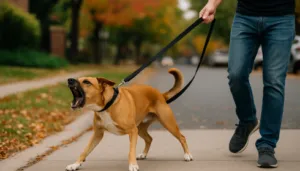
pet owners in Phoenix, leash reactivity turns every stroll into stress. If your dog lunges, barks, or refuses to walk politely on leash, it’s not just a behavior issue it’s an opportunity. In this guest post, we’ll dive deep into leash reactivity training Phoenix, providing you actionable insights grounded in experience, science, and real results. By the end, you’ll understand what leash reactivity really is, why it happens, and how targeted training can change everything for you and your dog.
What Is Leash Reactivity?
Leash reactivity isn’t “bad behavior.” It’s a dog’s emotional response to stressors while on leash often manifesting as barking, lunging, growling, or spinning in circles. These reactions commonly occur around other dogs, people, bikes, or loud noises.
At its core, leash reactivity is rooted in:
- Heightened arousal: Your dog’s nervous system is on high alert.
- Inability to self-regulate while restrained: A leash limits choice and flexibility.
- Frustration or fear responses: What looks like aggression can be anxiety.
For dog guardians in Phoenix, environmental factors like busy sidewalks, dense dog parks, and unpredictable foot traffic can make reactive responses more frequent. But reactivity doesn’t have to be permanent.
Why Leash Reactivity Happens
Understanding the why behind leash reactivity empowers you to train with purpose.
1. Lack of Alternative Coping Skills
Many dogs haven’t learned effective ways to manage excitement, fear, or curiosity.
2. Poor Foundation in Early Socialization
Without structured positive experiences with people, dogs, or other animals, unfamiliar stimuli trigger stress responses.
3. Reinforcement of the Reactivity Loop
When a dog reacts and the trigger goes away either because you pull them away or they scare it off they learn that reactivity “works.”
4. Environmental Stressors
Phoenix’s heat, crowded parks, and urban landscape can raise baseline arousal levels in dogs, making triggers harder to ignore.
Why Professional Leash Reactivity Training Phoenix Works
Local dog trainers with leash reactivity expertise don’t just teach commands they reshape the dog’s emotional experience of the world.
Here’s why structured training is effective:
- Tailored plans: Each dog’s history, temperament, and triggers are unique.
- Positive reinforcement focus: Rewards build confidence and motivation.
- Behavior modification techniques: Trainers address the root cause, not just symptoms.
- Owner coaching: You learn how to read canine body language and respond calmly.
At Rob’s Dog Training, we leverage techniques rooted in learning science and years of observation to help dogs thrive even in challenging environments.
The Training Framework: Step-by-Step
Below is a structured approach to mastering leash reactivity. These are the same steps we use with our clients in Phoenix.
Step 1 Identify Specific Triggers
Before training begins, it’s crucial to understand:
- What stimuli trigger reactivity (other dogs, bikes, people)
- At what distance the reaction begins
- The dog’s emotional state leading up to the response
Pro Tip: Keep a trigger journal with photos or notes during walks.
Step 2 Teach Foundational Skills
Before confronting triggers, your dog must understand:
Focus & Attention
Teaching your dog to look at you on cue (e.g., “Watch Me”) builds cognitive engagement.
Calm Loose-Leash Walking
Reward small steps toward relaxed walking before dialling up difficulty.
Confidence-Building Games
Simple games like targeting and shape recognition reduce anxiety.
Step 3 Controlled Exposure (Desensitization)
Rather than full confrontation, you gradually expose your dog to triggers at tolerable distances.
How it works:
- Observe the trigger from afar
- As long as your dog remains calm, reward them
- Gradually decrease distance over sessions
This teaches the dog: “Triggers predict good things.”
Step 4 Counterconditioning (Emotional Reframing)
While desensitization addresses distance, counterconditioning changes emotion.
- Before reacting, your dog receives high-value rewards (like diced chicken or hot dogs)
- Over time, the dog begins associating triggers with positive outcomes
Step 5 Real-World Practice & Generalization
Once your dog is comfortable in controlled settings, you advance to real-world practice:
- Busier parks
- Sidewalks
- Neighborhood strolls
Training in varied settings ensures responses generalize beyond controlled training.
Common Mistakes Dog Owners Make (and How to Fix Them)
Even the most well-meaning owners can unintentionally reinforce reactive behaviors. Here are common pitfalls:
Trying to Punish Reactivity
Pain, leash corrections, or shouting increase anxiety and worsen reactivity.
Fix: Use rewards and calm leadership to shape behavior.
Inconsistent Training
Skipping sessions confuses your dog and slows progress.
Fix: Short, daily consistent practice beats occasional marathon sessions.
Ignoring Body Language
Growling, lip-licking, and stiff posture are cues before escalation.
Fix: Learn canine language it’s your roadmap to progress.
The Role of the Handler
Effective leash reactivity training isn’t just about the dog it’s about you.
As a handler, you’ll learn to:
- Stay calm and present
- Respond strategically, not emotionally
- Use cues, timing, and rewards effectively
- Set up walks for success
Your mindset influences your dog’s emotional state. Training is as much about confidence and leadership as it is about technique.
Tools That Support Leash Reactivity Training
While tools don’t fix behavior, the right equipment makes training safer and more effective.
Recommended:
- Front‑clip harnesses offer gentle redirection
- Head halters effective when fitted comfortably
- Treat pouches keep rewards accessible
- Long lines allow safe distance control during desensitization
Choose tools that prioritize comfort and control not punishment.
How Rob’s Dog Training Approaches Leash Reactivity in Phoenix
At Rob’s Dog Training, our approach centers on active learning and emotional balance. We don’t believe in one-size-fits-all solutions. Instead, we tailor every leash reactivity training Phoenix plan based on:
Individual Profiling
Understanding each dog’s unique triggers, history, and learning style.
Progressive Skill Building
Starting with foundational skills before increasing challenge levels.
Ongoing Support for Owners
Training is a partnership. We teach you how to read your dog and respond confidently.
Field Training
From quiet training fields to busy Phoenix streets, we guide you through real-world situations.
FAQs About Leash Reactivity Training Phoenix
Q: Can leash reactivity be fully “cured”?
A: While every dog’s journey is different, most dogs improve dramatically with structured training and guidance.
Q: How long does training usually take?
A: Training timelines vary. Many dogs show improvement within 4–8 weeks with consistent practice.
Q: Is medication ever necessary?
A: In some high‑anxiety cases, a vet may recommend supplementary support but training remains crucial.
Your Next Steps to Walks You Enjoy
If leash reactivity has taken the joy out of your dog’s walks, know this: change is possible. With the right strategies, consistency, and support, you’ll see real progress.
Start with small, manageable sessions
Track triggers and reactions
Partner with a professional for personalized guidance
Celebrate every win big or small
Ready to Transform Your Walks?
For dog owners searching for leash reactivity training Phoenix, Rob’s Dog Training offers expert guidance rooted in science, compassion, and real results. Whether you’re struggling with initial reactions or seeking next‑level progress, we’re here to help.
Visit us at 4204 E Indian School Rd, Phoenix, AZ 85018
Learn more at https://robsdogs.com/
Contact us for a consultation and let’s turn frustration into confidence one walk at a time.