Budgeting for a landscape construction project starts with setting a hard number before you talk to any contractor. Review your finances and subtract 10–15% from your ceiling for contingencies. Expect basic refreshes to run $5,000–$15,000, while full transformations can exceed $100,000. Break your budget into categories: hardscaping, planting, drainage, and a contingency buffer. Hidden costs like permits and grading surprises catch most homeowners off guard—and there’s a lot more you’ll want to know before you spend a dollar.
What Does a Landscape Construction Project Actually Cost?
Landscape construction costs vary widely depending on the scope of your project, materials, and labor rates in your area. A basic backyard refresh might run $5,000–$15,000, while a full outdoor transformation with hardscaping, irrigation, and planting can exceed $100,000.
Most homeowners spend between $15,000 and $50,000 for mid-range projects. Labor typically accounts for 40%–60% of your total budget.
Material choices dramatically shift costs—natural stone costs more than concrete pavers, and mature trees cost more than saplings.
Before committing, get at least three contractor bids so you’re comparing realistic numbers, not rough guesses.
How to Set a Realistic Landscape Budget Before Anything Else
Before you talk to a single contractor, you need a hard number—not a range, not a wish list, but an actual dollar figure you’re willing to spend.
Start by reviewing your finances honestly. What can you spend without financing? What monthly payment can you realistically carry if you borrow?
Once you have that ceiling, subtract 10–15% for contingencies. That remainder is your working budget.
Don’t let a contractor set this number for you—that’s how budgets spiral. You control the figure first, then find a design that fits it, not the other way around.
Hidden Costs That Blindside Most Landscape Construction Budgets
Even a well-planned landscape budget can collapse once construction begins, because most homeowners only price what they can see.
You’re quoting plants, pavers, and labor—but forgetting soil amendments, permit fees, equipment access costs, and debris hauling.
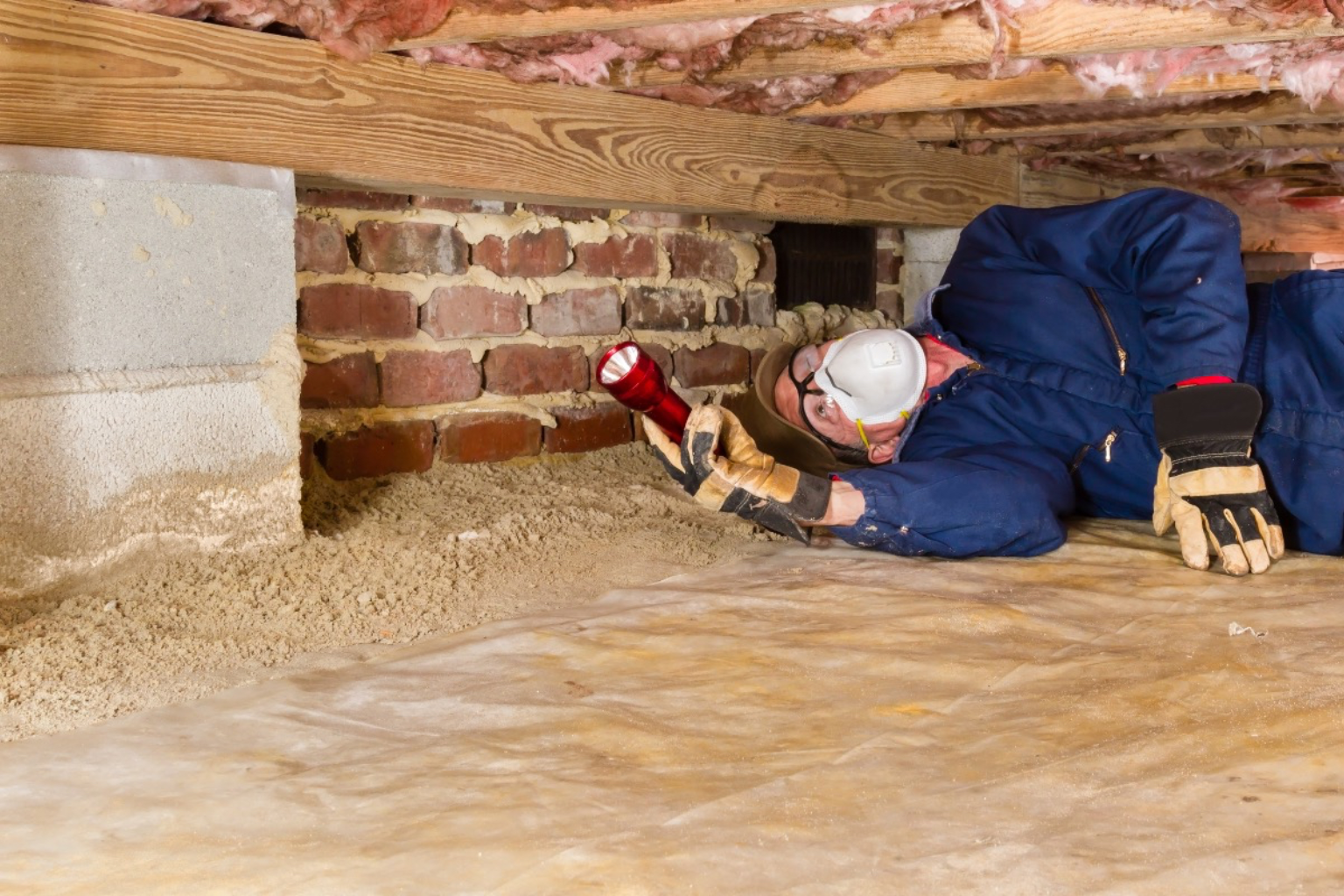
Grading surprises are brutal; one unexpected ledge rock or drainage problem can add thousands overnight.
Irrigation sleeves, lighting conduit, and utility markouts cost money too.
Don’t overlook contractor markup on materials, seasonal price swings, and change order fees.
Build a contingency of at least 15–20% into your total budget.
Hidden costs aren’t rare exceptions—they’re standard realities of landscape construction.
Where Every Dollar of Your Landscape Budget Should Go
Most homeowners treat their landscape budget like a lump sum—spending reactively instead of allocating intentionally across categories.
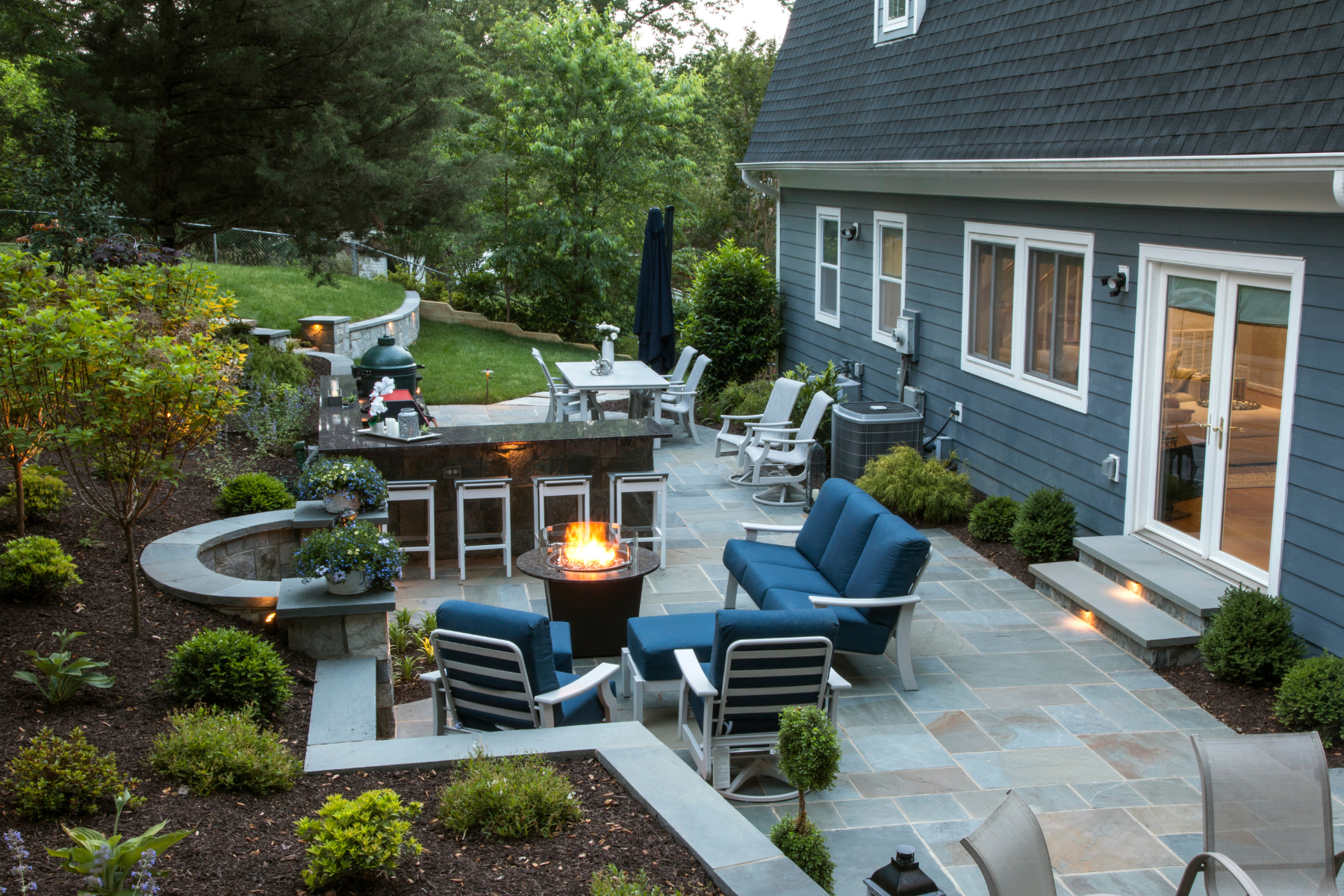
Don’t make that mistake. Break your budget into clear buckets: roughly 30–40% for hardscaping like patios, walls, and walkways; 20–30% for planting and softscaping; 15–20% for drainage, grading, and site prep; and 10–15% for irrigation and lighting.
Reserve 10% as a contingency buffer. These aren’t rigid rules, but they force intentional thinking.
When you assign dollars to categories before spending begins, you make smarter trade-offs, avoid shortfalls, and finish with a landscape that actually works as planned.
How to Stretch Your Landscape Budget Without Cutting Corners
Stretching your landscape budget isn’t about finding shortcuts—it’s about spending where quality counts and scaling back where it doesn’t.
Invest in hardscape foundations, drainage, and soil preparation—these are costly to fix later. Save on plants by choosing smaller specimens that establish quickly or native varieties that need less maintenance.
Phase your project over time rather than rushing to finish everything at once. Reuse existing materials like boulders, gravel, or salvaged wood.
Get multiple contractor bids and negotiate timing—off-season installations often cost less. Smart prioritization protects your investment without sacrificing long-term quality or functionality.
Frequently Asked Questions
How Long Does a Typical Landscape Construction Project Take to Complete?
Your project’s timeline varies, but you’ll typically complete a small landscape in 1–2 weeks.
Larger, complex designs can take several months.
You should always factor in weather delays and material availability when planning your schedule.
Do I Need Permits for Landscape Construction in My Area?
You’ll likely need permits for landscape construction, depending on your location.
Check with your local municipality before starting, as requirements vary.
They’ll tell you what’s needed for grading, walls, irrigation, or other structural changes.
What Time of Year Is Best to Start a Landscape Project?
Spring and fall are your best bets for starting a landscape project.
You’ll enjoy milder temperatures, which helps plants establish roots faster.
Avoid summer’s heat and winter’s frost, as they’ll make construction harder and increase your overall costs.
Can I Legally Do Any Landscape Construction Work Myself?
You can legally do many landscape tasks yourself, like planting, mulching, and basic grading.
However, you’ll need permits and licensed contractors for electrical, plumbing, or structural work, so check your local regulations first.
How Do I Find and Vet a Reputable Landscape Construction Contractor?
Start by asking friends and neighbors for referrals, then check online reviews and verify licenses and insurance. When comparing contractors, look for experience, quality workmanship, and a proven track record of successful projects.
You’ll want to get at least three quotes, review past project portfolios, and check references before signing any contract. A reputable company like Daily Landscaping can help homeowners understand their options and plan a landscape construction project that fits their property, needs, and budget.
Conclusion
Budgeting for a landscape construction project doesn’t have to feel overwhelming. When you plan ahead, account for hidden costs, and prioritize where your money goes, you’ll avoid the financial surprises that catch most homeowners off guard. You don’t need an unlimited budget to get results you’ll love — you just need a smart one. Use what you’ve learned here to take control of your project before the first shovel hits the ground.