
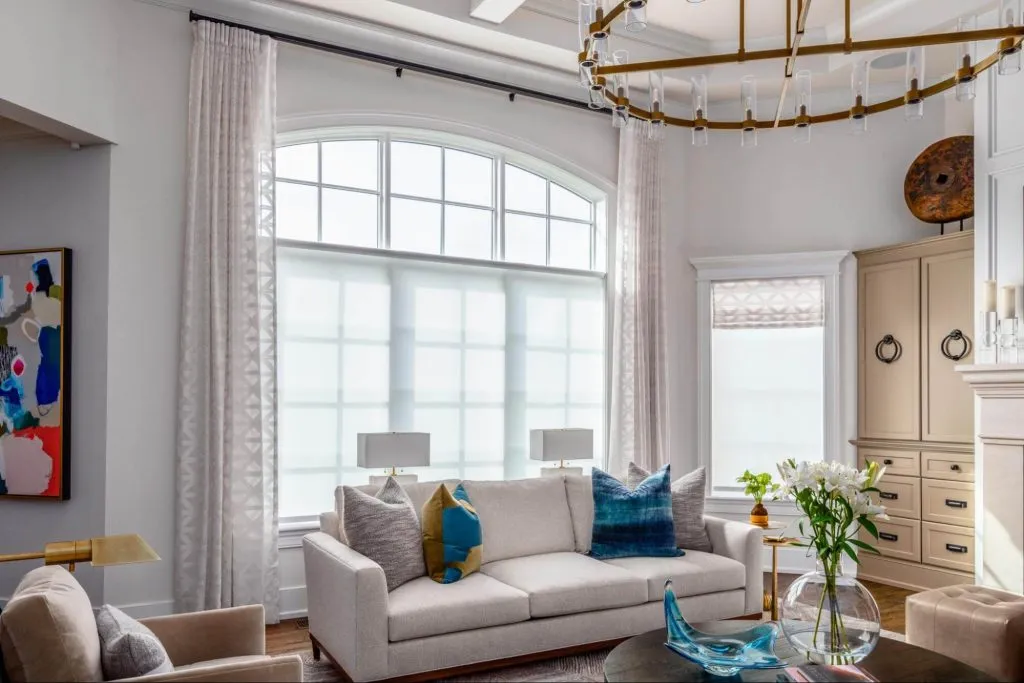
Sometimes, a room feels almost finished, but something is missing. The furniture is in place, the walls have been painted, and the flooring looks just right. Still, the space feels a little bare, as though it hasn’t quite settled into itself. Often, the answer isn’t another major purchase or an expensive renovation. It’s the smaller details that bring everything together.
A soft rug beneath a coffee table, curtains that frame a window beautifully, or a lamp that casts a warm glow in the evening can change the atmosphere of a room. These elements may not be the first things people notice when planning a home, yet they often make the biggest difference to how a space feels once it’s being lived in.
Finishing an interior is about finding the right balance between appearance and everyday comfort. It means understanding how natural light moves through a room, how different materials work together, and when a space needs another layer of personality rather than more decoration. There isn’t one perfect formula, which is part of what makes the process interesting.
Start by Understanding the Room
Before choosing finishing touches, spend some time looking at the room without making immediate changes. Notice where daylight enters, which areas feel empty, and whether the furniture arrangement creates a natural path through the space.
A large living room, for example, may feel disconnected if the seating area isn’t visually grounded. A smaller bedroom might feel crowded because the curtains are too heavy or the accessories take up too much surface space. These observations help you identify what the room actually needs.
It’s useful to think about the atmosphere you’re trying to create. Do you want a calm, understated space where everything feels relaxed? Or would you prefer something more expressive, with contrasting colors, interesting textures, and distinctive objects?
Once the direction becomes clear, choosing the details gets easier. Rather than buying items simply because they look attractive in a store, you can consider how each one contributes to the room as a whole.
Use Rugs and Window Treatments to Add Depth
Windows and floors occupy substantial areas of a room, so the materials used around them have a noticeable influence on the overall design. Curtains, blinds, and rugs can introduce color and texture while also solving practical problems such as glare, privacy, and echo.
Well-chosen window treatments and rugs help establish the proportions of a room. Curtains hung closer to the ceiling can draw the eye upward and create a sense of height, while a properly sized rug can bring separate furniture pieces together into one comfortable arrangement.
The key is getting the scale right. A rug that’s too small may leave the seating area looking fragmented. In many living rooms, a larger rug that accommodates the front legs of the main furniture helps create a more unified appearance. In dining areas, consider whether the rug will allow chairs to move comfortably without catching on the edges.
Window treatments need similar attention. Floor-length curtains can soften a room and make windows feel more substantial, while blinds may provide a cleaner look where space is limited. Bedrooms often benefit from options that improve darkness and privacy, whereas living areas may need materials that filter daylight without blocking it completely.
Fabric choice matters, too. Lightweight linen can create an airy, relaxed atmosphere, while heavier woven fabrics may add warmth and a sense of richness. Before ordering, check measurements carefully and consider how the material will look in both daylight and artificial light.
Get the Lighting Right for Different Moments
Lighting is one of those details people often underestimate until they experience the difference a well-planned arrangement can make. A room illuminated by a single overhead fixture may feel bright enough for basic tasks but lack the warmth needed for relaxing in the evening.
A better approach is to layer different light sources. General lighting provides overall illumination, task lighting helps with activities such as reading or cooking, and accent lighting highlights artwork, architectural details, or favorite objects.
The placement of each fixture should respond to the room’s purpose. A floor lamp beside a reading chair creates a practical pool of light, while a table lamp can make a console or bedside table feel more inviting. Wall lights can help draw attention to a feature without occupying valuable floor space.
Think about the quality of the light as well as its brightness. Warmer bulbs often feel comfortable in living rooms and bedrooms, while kitchens and work areas may benefit from brighter, more focused illumination. Dimmers can make a space more adaptable, allowing the atmosphere to shift from an active daytime setting to a quieter evening environment.
Natural light deserves just as much consideration. Avoid placing large objects where they unnecessarily block windows, and use mirrors thoughtfully to reflect daylight into darker areas. A little attention to light can make even a familiar room feel noticeably different.
Bring Personality Through Art and Accessories
A room may have excellent furniture and beautiful finishes but still feel impersonal. This is where the smaller decorative choices become valuable. Artwork, books, ceramics, plants, and collected objects introduce details that reflect the people who live in the home.
Thoughtful lighting, art, and accessories can give an interior character without requiring a complete redesign. A favorite painting may establish the color palette for a room, while a sculptural lamp or handmade vase can provide a distinctive focal point.
When displaying artwork, consider the surrounding furniture and the available wall space. A small picture placed too high above a large sofa may appear disconnected, whereas a carefully sized piece or a balanced arrangement can help anchor the wall. Before hanging anything, try arranging the pieces on the floor to explore different combinations.
Accessories work best when they’re selected with some restraint. A coffee table doesn’t need to be covered in decorative objects, and every shelf doesn’t require a carefully styled collection. A few meaningful pieces often have more impact than a crowded arrangement.
Plants are another useful addition. Their organic shapes can soften straight architectural lines and introduce a sense of life into an interior. Choose varieties that suit the available light and the amount of care you’re comfortable providing. There’s little point selecting a beautiful plant that struggles in its new location.
Combine Textures Without Overcomplicating the Design
Texture adds depth even when the color palette is relatively simple. Smooth timber, soft upholstery, woven baskets, natural stone, and brushed metal each contribute a different visual quality. Together, they can make a room feel layered and interesting without overwhelming it.
Start with a few materials that complement one another. A neutral sofa might be paired with a textured wool throw, linen cushions, and a timber side table. In a bedroom, crisp bedding can be balanced with a soft rug and curtains that gently filter daylight.
Contrast is useful, but it needs a little thought. Too many competing patterns and finishes can make a room feel restless. Repeating a material or color in two or three places helps maintain continuity, while one contrasting element gives the eye something interesting to notice.
It’s also worth considering how materials feel, not just how they look. A rug underfoot, a cushion against your back, or curtains that soften the light contributes to the sensory experience of being at home. These details are part of comfort, even when they’re difficult to capture in a photograph.
Keep Practical Needs in Mind
Beautiful finishing touches should make a home easier to enjoy, not harder to maintain. Delicate fabrics, fragile accessories, and complicated arrangements may be suitable for some spaces, but busy households often need more forgiving choices.
Consider how frequently a rug will be walked on, whether curtains can be cleaned easily, and how much care decorative objects require. In homes with children or pets, washable textiles and sturdy accessories may be more practical than fragile pieces that need constant attention.
Budgeting also matters. You don’t need to purchase every finishing detail at once. Begin with the elements that will have the greatest impact, such as suitable window coverings, a well-sized rug, or improved lighting. Add artwork and smaller accessories gradually as you discover what the space needs.
This slower approach often leads to better decisions. Living with a room for a few weeks can reveal whether it needs more color, additional lighting, or simply less clutter.
Let the Final Details Feel Natural
The most inviting interiors rarely depend on one dramatic feature. Instead, their appeal comes from a collection of thoughtful choices that work together without competing for attention.
Rugs create a sense of connection, window treatments soften the architecture, lighting changes the mood, and personal objects give the space meaning. Each element has its own role, but the real success lies in how comfortably they fit together.
There’s no need to rush the finishing process or make every room look perfectly styled. Homes are meant to be used, changed, and enjoyed. Sometimes a new lamp solves a problem; sometimes moving a chair or removing an unnecessary accessory is enough.
When the details support the way you live and reflect what you love, a room begins to feel complete in a much more meaningful sense. It stops looking like a collection of design decisions and starts feeling like a place where everyday life naturally belongs.