Blog

  • What Your Water Might Be Telling You (If You Take a Moment to Listen)

    What Your Water Might Be Telling You (If You Take a Moment to Listen)

    There’s something quietly dependable about water. You turn the tap, it flows. No questions, no drama. It’s probably the most taken-for-granted thing in your home.

    Until one day, it isn’t.

    Maybe it’s a taste that feels slightly off. Maybe your glassware looks cloudy no matter how well you wash it. Or maybe you just have that small, persistent thought in the back of your mind—is this actually as clean as it should be?

    It’s not panic. It’s curiosity. And honestly, that’s where the story begins.

    The First Step Most People Overlook

    If you’re even a little curious about your water, the most natural place to start is simple: get a sample.

    Now, this isn’t about doing something complicated or technical. It’s just about capturing a moment—what your water looks like right now, straight from your tap.

    Proper water sample collection matters more than people realize. It’s not just filling a bottle and calling it a day. You want a sample that actually represents your everyday water—taken at the right time, from the right source, without contamination.

    It’s a small step, but it sets the tone for everything that follows. Because if the sample isn’t accurate, nothing else really is.

    Why Guessing Only Gets You So Far

    Most of us are pretty good at guessing what’s wrong with our water. We blame hard water for residue, chlorine for taste, maybe pipes for discoloration.

    And sometimes, we’re right.

    But guessing has limits.

    That’s where a professional water assessment comes into play. It’s not about overcomplicating things—it’s about replacing assumptions with actual information.

    Professionals don’t just look at your water. They analyze it. They understand the patterns, the numbers, the relationships between different elements.

    And what you get in return isn’t just data—it’s clarity. A better understanding of what’s really happening, rather than what you think might be happening.

    The Report That Tells the Whole Story

    Once your water has been tested, everything comes down to one thing: the results.

    And this is where people often feel a bit overwhelmed. Because a quality report can look… technical. There are numbers, ranges, maybe even terms you’ve never seen before.

    But here’s the good news—you don’t need to understand every detail.

    What matters is the big picture. Are the levels within acceptable limits? Is there something higher than expected? Is there anything unusual that stands out?

    That’s enough to guide your next steps.

    Think of it less like a test you have to pass and more like a map. It shows you where you are—and where you might want to go.

    The Little Things That Start Making Sense

    Once you have that information, something interesting happens.

    Those small annoyances you’ve been living with? They start to make sense.

    That residue on your taps might be linked to mineral content. That odd taste could be related to chlorine levels. That dryness after showers might connect to water hardness.

    None of it is random anymore.

    And that shift—from guessing to understanding—is surprisingly empowering.

    It’s Not Always About Fixing Everything

    Here’s something people don’t talk about enough: not every test result leads to a big change.

    Sometimes, your water is already within safe limits. And that’s great. It gives you peace of mind without needing to do anything else.

    Other times, the issues are minor—things you can address with simple adjustments. Maybe a basic filter, maybe a small system upgrade.

    The goal isn’t perfection. It’s improvement.

    And knowing what you’re dealing with helps you make those decisions without overthinking them.

    Why So Many People Delay This Process

    If testing your water is so useful, why don’t more people do it?

    Because it doesn’t feel urgent.

    Water issues rarely demand immediate attention. They don’t break anything overnight. They don’t create emergencies.

    They sit quietly in the background, easy to ignore.

    Until you decide not to ignore them anymore.

    Starting Without Feeling Overwhelmed

    If you’re considering testing your water, the best approach is to keep it simple.

    You don’t need to dive into every possible detail or run multiple tests right away. Start with a basic assessment. Understand your baseline.

    From there, you can decide if anything needs attention.

    It’s not about doing everything at once. It’s about taking one step that leads to another.

    The Unexpected Benefit: Peace of Mind

    One of the biggest benefits of testing your water isn’t something you can measure—it’s how it makes you feel.

    There’s a certain confidence that comes from knowing what’s in your water. Not guessing. Not assuming. Knowing.

    You stop second-guessing. You stop making small compromises without realizing it.

    And that peace of mind carries into your daily routine in ways you might not expect.

    A Small Effort That Changes Perspective

    At the end of the day, testing your water isn’t about chasing perfection or solving a major problem.

    It’s about understanding something that’s been part of your life all along.

    It’s about paying attention to the details that are easy to overlook—but important enough to matter.

    Because water isn’t just something you use.

    It’s something you live with, every single day.

    And once you take the time to understand it, even a little, everything else starts to feel just a bit more… certain.

     

  • When Old Pipes Start Talking: Why Upgrading Your Plumbing Is About More Than Just Fixing Leaks

    When Old Pipes Start Talking: Why Upgrading Your Plumbing Is About More Than Just Fixing Leaks

    There’s a certain moment in every home where things stop feeling quite as smooth as they used to.

    It’s not always obvious. No dramatic burst pipe or flooding emergency. Just small inconveniences that slowly become part of your routine. A tap that sputters. Water pressure that dips. A drain that seems to take its time.

    You adjust. You work around it.

    But deep down, you know something’s changing.

    And usually, that something is your plumbing system quietly aging behind the scenes.

    The Reality of Wear and Tear

    Pipes don’t last forever. Even the best-installed systems begin to show their age over time.

    Materials weaken. Internal buildup restricts flow. Joints loosen. And while none of this happens overnight, it adds up.

    What’s tricky is that these changes are gradual. You don’t notice them all at once. Instead, your expectations shift.

    “Maybe the pressure was never that strong.”

    “Maybe drains have always been a bit slow.”

    It’s easy to normalize things that aren’t actually normal.

    When Fixing Isn’t Enough Anymore

    At some point, patchwork repairs stop making sense.

    You fix one issue, and another pops up. You replace a section of pipe, only to find a different part struggling next month. It becomes a cycle.

    That’s often the stage where plumbing rehabilitation starts to feel like a smarter option.

    Instead of chasing individual problems, you address the system as a whole. You restore it. Strengthen it. Bring it back to a level where it can function properly again.

    And that shift—from reactive fixes to proactive improvement—makes a noticeable difference.

    What’s Really Inside Your Pipes

    One thing people don’t always consider is what’s happening inside their pipes.

    It’s not just water flowing through. Over time, minerals, debris, and even corrosion can build up along the inner walls. This reduces the effective diameter of the pipe, making it harder for water to move freely.

    Think of it like arteries slowly narrowing—it doesn’t stop everything immediately, but it definitely affects performance.

    And when you upgrade using high-quality pipe materials, you’re not just replacing what’s there—you’re improving it.

    Modern materials are designed to resist corrosion, handle pressure more efficiently, and last longer under everyday use.

    It’s an investment, sure. But it’s also a reset.

    The Comfort of Consistency

    There’s something underrated about consistency.

    Water pressure that stays steady. Temperatures that don’t fluctuate unexpectedly. Drains that clear without hesitation.

    These aren’t things you celebrate—but they shape your daily experience in quiet, meaningful ways.

    And when your plumbing system is working well, you stop noticing it altogether.

    Which, in a strange way, is exactly what you want.

    Why Experience Matters More Than You Think

    Of course, upgrading or rehabilitating a plumbing system isn’t something you approach casually.

    It requires understanding. Planning. Execution.

    That’s where professional plumbing solutions come into the picture.

    Because it’s not just about replacing pipes—it’s about designing a system that works for your home, your usage, your future needs.

    A skilled professional doesn’t just look at what’s broken. They look at how everything connects. They consider long-term performance, not just immediate fixes.

    And that perspective makes all the difference.

    The Hidden Costs of Doing Nothing

    It’s easy to delay upgrades.

    As long as things are “working enough,” it feels reasonable to wait. To put it off until it becomes unavoidable.

    But waiting has its own cost.

    Higher utility bills. More frequent repairs. Increased risk of sudden failures.

    And when those failures happen, they rarely come at a convenient time.

    What could’ve been a planned upgrade turns into an emergency response.

    And those are two very different experiences.

    A Shift in How We Think About Homes

    There’s been a quiet shift in how people approach home maintenance.

    Less about reacting, more about understanding.

    Less about temporary fixes, more about lasting solutions.

    And plumbing—despite being hidden away—plays a big role in that shift.

    Because when your systems are strong, your home feels more stable. More reliable.

    And that sense of stability is something you don’t fully appreciate until it’s there.

    Not Every Upgrade Is Visible

    One of the interesting things about plumbing improvements is that you don’t always see them.

    There’s no visual transformation like a renovated kitchen or a freshly painted room.

    But you feel it.

    In the way your home functions. In the absence of small frustrations. In the ease of your daily routines.

    And sometimes, that’s more valuable than anything you can see.

    When Everything Starts Working Again

    At the end of the day, the goal isn’t perfection.

    It’s reliability.

    You want to turn on a tap and know what to expect. You want your home to support your routine without adding complications.

    And when your plumbing system is in good shape—truly in good shape—that’s exactly what happens.

    No surprises. No second-guessing.

    Just a quiet sense that everything is working the way it should.

    And maybe that’s the real value of upgrading your plumbing.

    Not the pipes themselves, but the peace of mind they bring—day in, day out, without asking for attention.

  • When Understanding Changes Everything: The Human Side of Expert Insight in Legal Cases

    When Understanding Changes Everything: The Human Side of Expert Insight in Legal Cases

    There’s a moment in many legal cases where the facts stop feeling like facts and start feeling… complicated. You have documents, timelines, statements—but something still doesn’t quite land. It’s not that the information is missing. It’s just not connecting.

    And that’s often where the right kind of expertise makes all the difference.

    Not by adding noise, but by bringing clarity. By turning something dense and technical into something that actually makes sense to the people who need to understand it most.

    The Difference Between Knowing and Explaining

    We tend to assume that expertise is about knowledge. Degrees, experience, certifications—all of that matters, sure.

    But in a legal setting, there’s another layer that’s just as important: communication.

    An expert might fully understand a complex issue, but if they can’t explain it clearly, that knowledge doesn’t go very far. Especially in a courtroom, where the audience might not share the same background.

    That’s where expert testimony support becomes so valuable. It’s not just about having an expert ready to speak—it’s about ensuring they can present their insights in a way that’s structured, clear, and aligned with the case.

    Sometimes, it’s the difference between confusion and clarity.

    Not All Expertise Is the Same

    One thing people often overlook is that not every expert fits every case.

    Two professionals might have similar qualifications, but very different approaches. One might focus on technical depth, another on practical application. One might communicate with precision, another with relatability.

    That’s why choosing the right subject matter experts is less about credentials alone and more about fit. It’s about finding someone who understands the specific nuances of the case—and can explain them in a way that resonates.

    Because a well-matched expert doesn’t just add information. They add perspective.

    The Work That Happens Before the Spotlight

    Most people only see experts when they take the stand. Answering questions. Explaining findings. Responding to challenges.

    But what they don’t see is everything that happens before that moment.

    Reviewing case materials. Analyzing data. Forming opinions based on both evidence and experience. Refining explanations so they’re accurate and accessible.

    This is where legal consulting experts often play a behind-the-scenes role. They help shape the case long before it’s presented. They identify key issues, clarify technical points, and support the legal team in understanding the details more deeply.

    It’s not always visible work. But it’s essential.

    When Complexity Needs Context

    Legal cases often involve more than just facts—they involve context.

    A medical report might describe an injury, but what does it mean in practical terms? A financial statement might show numbers, but what do those numbers actually indicate? A technical analysis might highlight a failure, but why did it happen?

    Without context, even accurate information can be misunderstood.

    Experts provide that context. They connect the dots. They explain not just what happened, but why it matters.

    And in doing so, they help ensure that decisions are based on understanding, not just interpretation.

    Communication Under Pressure

    Explaining something clearly is one thing. Doing it under pressure is another.

    In a legal setting, experts are often questioned, challenged, and asked to defend their conclusions. It’s not just about presenting information—it’s about maintaining clarity and composure in the face of scrutiny.

    That requires a specific skill set.

    The ability to stay focused. To respond thoughtfully. To avoid getting pulled into unnecessary complexity or defensiveness.

    And when done well, it strengthens the credibility of both the expert and the case.

    Objectivity Is What Builds Trust

    One of the most important qualities in any expert is neutrality.

    An expert who appears biased—who seems to be advocating rather than explaining—can lose credibility quickly. Even if their conclusions are valid, perception matters.

    On the other hand, an expert who presents their findings calmly and objectively tends to carry more weight.

    They’re not there to win the argument. They’re there to inform it.

    And that distinction often shapes how their input is received.

    When One Insight Changes the Direction

    There are moments in a case where everything shifts—not because new evidence is introduced, but because existing evidence is understood differently.

    An expert explains something in a way that brings clarity, and suddenly, the same facts take on a new meaning.

    A detail that seemed minor becomes significant. A sequence of events becomes clearer. An assumption is challenged.

    These shifts aren’t always dramatic. But they’re impactful.

    Because they influence how decisions are made.

    More Than Just a Supporting Role

    It’s easy to think of experts as supporting players in a larger process. And in many ways, they are.

    But their role goes deeper than that.

    They bring clarity to complexity. They add depth to arguments. They help ensure that decisions are grounded in understanding.

    And in cases where the stakes are high, that contribution becomes even more important.

    When Everything Finally Clicks

    At the end of the day, legal cases are about more than presenting information—they’re about making sense of it.

    Experts help bridge that gap.

    They turn technical details into clear explanations. They connect evidence to understanding. They provide insights that go beyond what’s immediately visible.

    And sometimes, that’s exactly what’s needed.

    Because when everything finally clicks—when the pieces come together in a way that feels clear and complete—that’s when real decisions can be made.

    Not based on guesswork.

    But on understanding.


  • When Your Water Starts Telling a Story You Didn’t Expect

    When Your Water Starts Telling a Story You Didn’t Expect

    Water is one of those things we trust without thinking.

    You turn on the tap, fill a glass, wash your hands, maybe make a cup of tea—and move on. It’s simple. Familiar. Almost invisible in your daily routine.

    But every so often, something shifts.

    Not dramatically. Just enough to catch your attention.

    A strange taste. A faint smell. A pattern you hadn’t noticed before. And suddenly, something that used to feel automatic starts to feel… questionable.

    The Little Things That Don’t Feel So Little

    Most water issues don’t arrive with a big warning sign.

    They show up quietly.

    White marks on your faucets. A chalky residue in your kettle. Soap that doesn’t quite lather the way it used to.

    At first, it’s easy to ignore. You assume it’s normal. Something everyone deals with.

    But over time, those small inconveniences start to feel repetitive.

    And that’s usually when you begin to look a little closer.

    The Slow Build of Hard Water Effects

    One of the most common culprits behind these everyday annoyances is something called hard water and scale buildup.

    It sounds technical, but the effects are anything but subtle.

    Minerals like calcium and magnesium slowly accumulate on surfaces and inside appliances. Pipes narrow over time. Fixtures lose their shine. Water heaters become less efficient.

    None of it happens overnight.

    But the longer it goes on, the more noticeable it becomes.

    And at some point, it stops feeling like a minor inconvenience and starts feeling like something worth addressing.

    When Taste and Smell Raise Questions

    Then there’s the side of water that you experience directly.

    The way it tastes. The way it smells.

    Sometimes it’s chlorine. Sometimes it’s something harder to identify. Either way, it leaves you wondering.

    Is this normal?
    Should it taste like this?

    That’s where concerns about contaminants and health concerns naturally come into the picture.

    Not necessarily in a dramatic or alarming way—but in a thoughtful one.

    You start to think about what’s in your water, even if you can’t see it. And once that thought settles in, it’s hard to ignore.

    The Frustration of Inconsistency

    For some households, the issue isn’t just quality—it’s consistency.

    Water pressure changes. Supply feels unpredictable. Sometimes it’s strong, sometimes it’s not.

    This kind of unreliable water supply can be more frustrating than anything else.

    Because it disrupts routine.

    You expect water to behave the same way every day. When it doesn’t, even small tasks start to feel inconvenient.

    And that inconsistency can make everything else feel uncertain, too.

    Why These Issues Happen in the First Place

    Water doesn’t arrive at your home in a vacuum.

    It travels—through pipes, through soil, through treatment systems. Along the way, it picks up characteristics from its environment.

    Minerals, chemicals, natural elements—they all leave their mark.

    Some of these are harmless. Some are simply inconvenient. And some, depending on the situation, might raise questions worth exploring.

    The key is understanding that these issues aren’t random.

    They have causes.

    And once you understand those causes, you can start thinking about solutions.

    The Shift From Ignoring to Understanding

    Most people live with water issues for a long time before doing anything about them.

    Not because they don’t care—but because it doesn’t feel urgent.

    You adapt. You adjust. You clean the stains, ignore the taste, work around the pressure changes.

    But eventually, something shifts.

    You stop accepting it as “normal” and start seeing it as something that could be improved.

    That shift—from ignoring to understanding—is where change begins.

    The Small Improvements That Make a Difference

    What’s interesting about addressing water issues is that the results aren’t always dramatic.

    There’s no sudden transformation.

    Instead, things just start to feel better.

    Your water tastes cleaner. Your appliances run more smoothly. Your fixtures stay cleaner for longer.

    These changes are subtle.

    But over time, they add up.

    And that’s often what people are really looking for—not perfection, just a better everyday experience.

    It Doesn’t Have to Be Complicated

    One of the biggest misconceptions about water quality is that fixing it is complicated.

    Too many systems. Too many options. Too much information.

    But it doesn’t have to be that way.

    The first step is simply paying attention.

    What are you noticing? What bothers you the most? What would you like to improve?

    From there, the process becomes much clearer.

    It’s not about solving everything at once—it’s about taking one step at a time.

    A Thought That Stays With You

    If you’ve ever paused and questioned your water—even briefly—it’s probably not random.

    It’s a small signal.

    Not a warning, not a crisis—just a moment of awareness.

    And sometimes, that’s all it takes to start seeing things differently.

    Closing, Without Overthinking It

    Water is something we rely on every single day.

    We don’t usually think about it—until we have a reason to.

    And when that reason shows up, it doesn’t mean something is wrong.

    It just means you’re paying attention.

    You don’t need to rush into decisions. You don’t need to change everything overnight.

    But understanding your water—what’s in it, how it behaves—can quietly improve your home in ways you might not expect.

    Because in the end, water isn’t just something you use.

    It’s something you live with.

    And sometimes, giving it a little more thought makes all the difference.

  • The Small Habit That Keeps Your Home’s Water Feeling Effortless

    The Small Habit That Keeps Your Home’s Water Feeling Effortless

    There’s a certain kind of comfort you don’t notice until it’s gone.

    Water that feels smooth. Laundry that comes out soft. Glassware that actually looks clean when it dries. It’s all part of your daily rhythm, quietly doing its job in the background.

    And then one day, something shifts.

    Your soap doesn’t lather the same way. Your dishes feel a little rough. Your skin feels drier after a shower. Nothing dramatic—just enough to make you pause.

    That’s usually when you realize how much your water system has been doing for you… and how easily it can slip out of balance.

    When Hard Water Starts Creeping Back In

    Hard water doesn’t usually arrive with a warning.

    It builds slowly, almost politely. Minerals like calcium and magnesium start making their presence known again—first in subtle ways, then more noticeably.

    You might find yourself using more detergent. Cleaning more often. Wondering why things don’t feel as easy as they used to.

    And often, the reason is simple.

    Your softener isn’t getting what it needs.

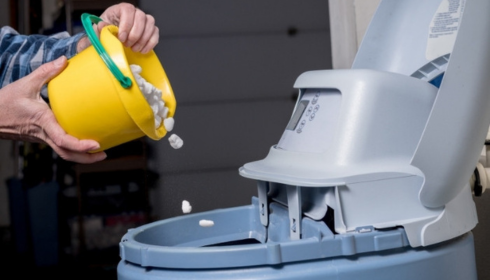
    That’s where water softener salt delivery becomes more important than people expect.

    It’s not just about convenience—though not having to carry heavy salt bags does help. It’s about consistency. Making sure your system always has what it needs to keep working properly.

    Because when salt levels drop, performance follows.

    The Power of Not Having to Think About It

    There’s something underrated about automation in everyday life.

    We set reminders for bills, subscriptions for essentials, routines for things we don’t want to forget. And water systems? They benefit from that same mindset.

    That’s why many homeowners turn to scheduled salt delivery.

    It removes the guesswork.

    You don’t have to check levels constantly. You don’t have to make last-minute trips to the store. It just happens—quietly, reliably, on time.

    And that kind of consistency makes a difference.

    Not in a dramatic way, but in the way your home continues to run smoothly without interruption.

    It’s Not Just About Adding Salt

    A water softener isn’t a “set it and forget it” system.

    It works continuously, adjusting your water day in and day out. And like anything that runs constantly, it benefits from a little attention now and then.

    That’s where water softener maintenance comes in.

    It might involve checking for buildup, cleaning components, or ensuring the system is regenerating properly. Nothing overly complicated—but important enough to keep everything functioning as it should.

    And when it’s done regularly, you don’t notice the system at all.

    Which, honestly, is exactly how it should be.

    The Small Changes You Start to Notice

    What’s interesting about water systems is how their impact shows up.

    It’s not always obvious at first.

    Instead, it’s the little things.

    Your clothes feel softer. Your dishes come out cleaner. Your skin feels less dry. Even your appliances seem to work more efficiently.

    These aren’t dramatic changes.

    But they’re meaningful.

    And over time, they shape how comfortable your home feels.

    Why We Tend to Overlook It

    Water systems don’t demand attention.

    They don’t make noise. They don’t interrupt your day. They just keep going—until they don’t perform quite as well.

    And because the changes are gradual, it’s easy to ignore them.

    You adjust. You compensate. You tell yourself it’s fine.

    But once you bring things back into balance, you realize how much easier everything feels when your system is working properly.

    Keeping It Simple (Because It Should Be)

    One of the biggest misconceptions about water softeners is that they require constant management.

    They don’t.

    You don’t need to check them every day or understand every detail of how they work.

    You just need a simple routine.

    Keep the salt levels consistent. Schedule deliveries if it helps. Perform occasional maintenance.

    That’s it.

    And those small steps go a long way.

    The Comfort of Consistency

    At the end of the day, what most people really want isn’t perfection.

    It’s consistency.

    They want water that behaves the same way every day. Water that feels soft, reliable, and easy to live with.

    And when your system is properly supplied and maintained, that’s exactly what you get.

    No surprises. No fluctuations.

    Just water that quietly supports your routine.

    When You Notice the Difference Elsewhere

    It’s funny how quickly you adapt to good water.

    At first, the improvements stand out. The softness, the ease, the way everything feels just a bit better.

    But over time, it becomes your new normal.

    And then, when you experience untreated water somewhere else, the contrast is obvious.

    That’s when it really clicks.

    Coming Back to What Matters

    Water should feel simple.

    It should fit into your life without extra effort or attention. It should support your daily routine without creating friction.

    And when you take care of the small things—keeping your softener supplied, maintaining it regularly, and staying consistent—that’s exactly what happens.

    Not a dramatic transformation.

    Just a better everyday experience.

    Quiet, reliable, and exactly the way your home’s water was always meant to be.

  • Expert Excavation Services in Katoomba: Trust Hillcrest for Quality

    Expert Excavation Services in Katoomba: Trust Hillcrest for Quality

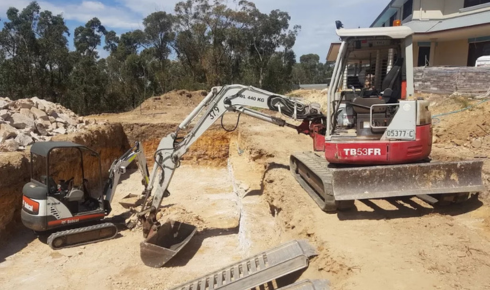
    Professional excavation services are the backbone of successful construction, development, and land management projects in Katoomba. Whether you are preparing a residential block for building, clearing vegetation for bushfire safety, or undertaking large-scale civil works, the quality of your groundwork determines the success of everything that follows. Cutting corners at the foundation stage inevitably leads to complications and additional costs downstream.

    In this comprehensive guide, we examine the essential aspects of excavation, what to look for in a service provider, and how expert solutions deliver value at every stage of your project. To explore a full range of professional services tailored to your needs, visit https://hillcrestexcavations.au/services/excavation-katoomba/ and discover how experienced professionals can transform your project outcomes from start to finish.

    Why Professional Excavation Services Matter

    Excavation is far more complex than it appears on the surface. What seems like a straightforward task — removing earth, clearing land, or preparing a site — actually involves careful planning, specialised equipment, environmental considerations, and strict compliance with local, state, and federal regulations. Amateur or poorly executed work can lead to structural instability, environmental damage, costly delays, safety incidents, and legal complications that far exceed the cost of doing it right the first time.

    Professional excavation providers bring a combination of technical expertise, industry-grade equipment, and comprehensive regulatory knowledge that ensures your project is completed safely, efficiently, and to the highest standards. This expertise is particularly critical in Katoomba, where local soil conditions, topography, drainage patterns, and council requirements demand specialised approaches that general contractors may not possess.

    Essential Qualities of a Reliable Service Provider

    • Experience and Track Record: Look for providers with a proven history of successful projects in your local area. Experience with local soil conditions, drainage patterns, geological features, and council requirements is invaluable and cannot be replicated by providers unfamiliar with the region.
    • Proper Licensing and Insurance: All excavation and earthworks providers in New South Wales must hold appropriate licences and carry comprehensive insurance including public liability and workers compensation. Verify these credentials before engaging any contractor.
    • Modern Equipment Fleet: Quality outcomes depend on having the right machinery for the job. A well-maintained fleet of excavators, loaders, trucks, and specialist attachments ensures efficiency, precision, and the ability to handle unexpected site conditions.
    • Environmental Compliance: Responsible providers understand and adhere to environmental protection regulations, including sediment and erosion control, tree protection orders, waterway management, and contaminated land requirements.
    • Clear Communication: Professional providers keep you informed throughout the project with regular updates, transparent pricing, detailed scope documentation, and proactive problem-solving when challenges arise.

    The Excavation Process: What to Expect

    Understanding the typical process helps you plan effectively and set realistic expectations for your project timeline, budget, and outcomes. Each phase builds upon the last, and thorough execution at every stage is essential for overall project success.

    1. Initial Site Assessment: A thorough evaluation of your site including soil testing, geotechnical investigation, survey review, utility identification through Dial Before You Dig, and assessment of access constraints and neighbouring property considerations.
    2. Council and Regulatory Approvals: Depending on the scope of work, development applications, construction certificates, environmental permits, or bushfire assessments may be required. Your provider should guide you through this process and manage submissions on your behalf.
    3. Site Setup and Safety: Establishing site fencing, safety signage, sediment and erosion controls, dust suppression measures, and designated safety zones before any physical work commences on site.
    4. Execution: The actual excavation, clearing, or earthworks phase, carried out according to engineered plans, specifications, and quality management procedures with regular inspections and progress reporting.
    5. Site Clean-Up and Handover: Removal of excess material, final grading and compaction, compaction testing and certification, restoration of disturbed areas, and comprehensive handover documentation for the next stage of your project.

    Key Considerations for Projects in Katoomba

    Every location presents unique challenges, and the area in Katoomba is no exception. Local factors such as soil composition, rock presence, water table depth, neighbouring properties, heritage considerations, environmental sensitivities, and access limitations all influence the approach required for successful excavation. Understanding these factors before work commences is essential for accurate budgeting and realistic scheduling.

    Local council regulations also vary significantly and can have substantial implications for project timelines and costs. From development application requirements to tree preservation orders, heritage overlays, and environmental impact assessments, understanding the regulatory landscape is essential for avoiding costly delays, compliance issues, and potential enforcement actions.

    Soil and Terrain Considerations

    The Sydney basin and surrounding areas feature a diverse range of soil types — from expansive clay and shale in western suburbs to sandstone formations in the Blue Mountains and northern regions, and sandy soils in coastal areas. Each soil type requires different excavation techniques, drainage solutions, retention strategies, and foundation preparation methods. An experienced local provider understands these nuances intimately and can adapt their approach accordingly, saving time and reducing risk.

    Safety Standards and Risk Management

    Safety is the non-negotiable foundation of any excavation project. The excavation and earthworks industry carries inherent risks including cave-ins, equipment accidents, underground service strikes, environmental incidents, and exposure to hazardous materials. Professional providers mitigate these risks through comprehensive safety management systems, regular training programmes, incident reporting protocols, and strict adherence to SafeWork NSW guidelines and the WHS Act.

    • Dial Before You Dig: All underground services including gas, electricity, water, telecommunications, and sewer must be identified and marked before excavation commences. This protects workers, prevents service disruptions, and avoids costly damage claims.
    • Trench Safety: Appropriate shoring, battering, or benching techniques must be used for all trenches and excavations deeper than 1.5 metres to prevent cave-ins and protect workers from entrapment.
    • Traffic Management: Projects near roads, footpaths, or public areas require traffic management plans prepared by qualified professionals to protect workers, pedestrians, and the general public.
    • Environmental Controls: Sediment fences, silt traps, dust suppression measures, and noise management strategies protect waterways, air quality, and neighbouring properties during works.

    Cost Factors and Getting Accurate Quotes

    The cost of excavation services varies significantly based on project scope, site conditions, access constraints, disposal requirements, permit fees, and the complexity of regulatory compliance. Obtaining accurate quotes requires providing detailed information about your project to potential providers, including survey plans, geotechnical reports, and council requirements.

    When comparing quotes, look beyond the headline price and examine the detail. Consider what is included — site setup, soil testing, disposal fees, compaction testing, environmental management, and clean-up can add significantly to the total cost if not included in the initial quote. A transparent provider will itemise all costs clearly and explain any potential variations or provisional sums upfront.

    Conclusion: Choose Experience, Choose Quality

    The success of your construction or development project in Katoomba begins with the groundwork — quite literally. Professional excavation services ensure that your site is prepared correctly, safely, and in full compliance with all relevant regulations, setting a solid stage for everything that follows. Investing in quality groundwork is investing in the long-term success of your entire project.

    Do not underestimate the importance of choosing the right excavation partner. Look for experience, professionalism, proper licensing, comprehensive insurance, and a demonstrated commitment to safety and quality. The right provider does not just move earth — they move your project forward with confidence, precision, and the assurance that the job has been done right.

  • The Part of Your Home You Rarely Think About—Until It Stops Working Right

    The Part of Your Home You Rarely Think About—Until It Stops Working Right

    There’s a strange relationship we all have with water. It’s always there, always doing its job, always part of the background. You turn on the tap, and it flows. Simple.

    Until, one day, something feels off.

    Maybe the pressure drops a bit. Maybe your water tastes slightly different. Maybe your appliances aren’t performing like they used to. It’s not a crisis, not even close—but it’s enough to make you pause.

    And that pause? That’s where awareness begins.

    The Invisible System Behind Every Drop

    What most people don’t think about is that water in your home isn’t just coming out of a pipe. It’s part of a system—one that works quietly behind the scenes every single day.

    From filtration units to softeners to plumbing connections, everything has to function together. And like anything else, it needs attention from time to time.

    That’s where water system maintenance comes in.

    It’s not the most exciting topic, but it’s one of the most important. Because even the best system won’t perform well if it’s neglected.

    Filters clog. Components wear down. Small issues turn into bigger ones if left unchecked.

    And the thing is—you might not notice right away. But your water will tell you, eventually.

    When “Good Enough” Starts Feeling… Not Enough

    For many households, water is fine. Not perfect, not terrible—just somewhere in between.

    And for a while, that works.

    But over time, you start noticing the little things. Your skin feels dry. Your dishes don’t come out as clean. Your water heater seems to be working harder than it should.

    It’s not about something being broken. It’s about something not working as well as it could.

    That’s when people begin to look for reliable water treatment.

    Not as a reaction to a major problem, but as a way to improve everyday life.

    Because when your water is consistent—when it behaves the way you expect—it removes a lot of small frustrations you didn’t even realize were there.

    Why Local Knowledge Matters More Than You Think

    Water isn’t the same everywhere. That’s something many people don’t realize until they start digging into it.

    The quality, the composition, even the challenges can vary from one area to another. What works perfectly in one place might not make sense somewhere else.

    That’s why working with local water professionals can make such a difference.

    They understand the specifics of your area. They’ve seen the patterns, the common issues, the solutions that actually work.

    It’s not about selling you something complicated. It’s about helping you find something that fits your situation.

    And that kind of insight is hard to replace.

    The Changes You Notice (and the Ones You Don’t)

    When your water system is working properly, the benefits show up in small, steady ways.

    Your water tastes better. Your showers feel more comfortable. Your appliances run more efficiently. Cleaning becomes a little easier.

    But there are also changes you don’t see.

    Less buildup inside pipes. Less strain on your water heater. Fewer long-term issues that could turn into costly repairs.

    These are the quiet benefits—the ones that don’t get much attention but make a big difference over time.

    Why We Tend to Overlook Maintenance

    Let’s be honest—maintenance isn’t something most people enjoy thinking about.

    If everything seems to be working, it’s easy to assume there’s nothing to worry about.

    And most of the time, that’s true… until it isn’t.

    The problem is that water systems don’t always fail suddenly. They degrade slowly.

    Performance drops. Efficiency declines. Small issues build up.

    And by the time you notice, you’re already dealing with a bigger problem.

    A little attention early on can prevent a lot of hassle later.

    Keeping It Simple (Because It Should Be)

    One of the biggest misconceptions about water systems is that they’re complicated.

    They don’t have to be.

    You don’t need to understand every technical detail or constantly monitor your setup.

    You just need a system that’s installed properly, maintained regularly, and suited to your needs.

    And once that’s in place, it should work quietly in the background.

    The Comfort of Consistency

    At the end of the day, what most people really want isn’t perfection.

    It’s consistency.

    They want to turn on the tap and know what to expect. No surprises, no second-guessing.

    Water that tastes right. Feels right. Works the way it should.

    And when you have that, everything else becomes a little easier.

    When You Notice the Difference

    It’s funny—once your water is working the way it should, you don’t think about it much.

    But the moment you experience something different—at a hotel, at a friend’s house—you notice.

    The taste. The feel. The difference.

    And that’s when it really hits you.

    Coming Back to What Water Should Be

    Water should be simple.

    It should support your daily routine without adding friction or doubt. It should work quietly, reliably, consistently.

    And when you take the time to maintain your system, choose the right solutions, and rely on the right expertise, that’s exactly what you get.

    Not a dramatic transformation.

    Just a better everyday experience.

    One that you don’t have to think about—because it’s already doing its job, perfectly in the background.

  • Why Better Water at Home Isn’t About Luxury — It’s About Living Comfortably

    Why Better Water at Home Isn’t About Luxury — It’s About Living Comfortably

    There’s a moment, usually a small one, when you start questioning your water. Not dramatically — no alarms or anything like that — just a quiet realization. Maybe your skin feels dry after a shower. Maybe your kettle keeps collecting that stubborn white scale. Or your laundry just doesn’t feel as soft as it used to.

    You brush it off at first. Life moves on.

    But the thing with water is… it’s everywhere in your daily routine. And when it’s slightly off, even in ways you can’t fully explain, it tends to show up again and again until you start paying attention.

    The Difference You Don’t Notice — Until You Do

    Most people assume water is either “fine” or “not fine.” But there’s a whole middle ground — water that’s technically usable but not ideal.

    Hard water is a big part of that story. It carries minerals like calcium and magnesium that aren’t harmful, but they do interfere with how water behaves.

    Soap doesn’t lather the same. Residue builds up over time. Appliances start to feel the strain.

    That’s where something like a high efficiency water softener begins to make sense. Not because it’s fancy or advanced, but because it addresses the root of the issue — those excess minerals.

    And the “efficiency” part matters more than people think. It means less water waste, less salt usage, and a system that works smarter, not harder.

    It’s not about over-engineering your home. It’s about refining something you already use every single day.

    When Systems Start Working Together

    Here’s something that often gets overlooked — water treatment doesn’t have to be a single solution.

    In many homes, it’s actually a combination of approaches that creates the best results. Softening, filtering, purifying — each one handles a different aspect.

    That’s where whole home filtration compatibility comes into play. It’s about making sure different systems can work together without conflict, creating a more complete and balanced setup.

    Think of it like a team rather than a single player.

    One system might remove sediments. Another might soften the water. Together, they create something better than either could on its own.

    And the best part? Once it’s set up, you don’t have to think about it constantly. It just runs in the background.

    The Everyday Comfort You Didn’t Realize You Were Missing

    Let’s talk about the actual experience for a moment.

    Because beyond all the technical details, what really matters is how your water feels in daily life.

    The soft water benefits aren’t always dramatic, but they’re consistent.

    Your skin feels less dry after a shower. Soap rinses off more easily. Your clothes come out softer, without that slightly stiff texture.

    Even cleaning becomes easier. Less scrubbing. Fewer spots on dishes. Less effort overall.

    It’s not one big change — it’s a collection of small improvements that quietly make your home feel more comfortable.

    The Hidden Impact on Your Home

    Water doesn’t just affect how things feel — it affects how things last.

    Hard water can leave buildup inside pipes, appliances, and fixtures. Over time, that buildup reduces efficiency and increases wear.

    Your water heater might take longer to heat. Your washing machine might struggle to perform as well as it once did.

    By improving water quality, you’re not just enhancing comfort — you’re protecting your home.

    And that protection tends to pay off in ways you don’t immediately notice, but definitely appreciate over time.

    Why Many People Wait Too Long

    It’s easy to delay thinking about water.

    After all, it’s not urgent. There’s no immediate breakdown or emergency. Just small inconveniences that seem manageable.

    You clean a little more. Use a bit more detergent. Replace appliances when they wear out.

    But once you address the underlying issue, you often realize how much effort you were putting in without even noticing.

    And that’s usually when people wish they had looked into it sooner.

    Keeping It Practical, Not Complicated

    One of the biggest misconceptions about improving water quality is that it requires a complex setup or a deep understanding of technical details.

    It doesn’t.

    You don’t need to know everything about water chemistry. You just need to recognize what’s affecting your home and choose a solution that addresses it.

    Sometimes that’s a single system. Sometimes it’s a combination. The key is to keep it practical.

    Start with what you notice. Build from there if needed.

    A Subtle Upgrade That Changes Everything

    What I find interesting is how quickly people adapt to better water.

    At first, you notice the difference. The feel, the ease, the consistency.

    But over time, it becomes normal.

    And then, when you encounter untreated water again — somewhere else, maybe — you immediately feel the contrast.

    That’s when it really hits you.

    Coming Back to What Water Should Feel Like

    At the end of the day, water shouldn’t feel like a problem you have to solve.

    It should be simple. Reliable. Something you trust without thinking twice.

    Improving your water isn’t about chasing perfection or adding unnecessary complexity. It’s about removing the small frustrations that quietly build up over time.

    Because when your water works the way it should, everything else feels just a little easier.

    And sometimes, that’s all you really need.


  • The Quiet Power Behind Every Modern Workspace: Why Electrical Planning Matters More Than You Think

    The Quiet Power Behind Every Modern Workspace: Why Electrical Planning Matters More Than You Think

    Walk into any modern office, retail store, or restaurant and you’ll notice the design first—the lighting, the layout, the polished surfaces. But behind all that visual appeal lies something far less glamorous and far more important: the electrical infrastructure that keeps everything running.

    Electricity is one of those things people rarely think about until it stops working. Yet every computer, refrigeration unit, security system, and overhead light depends on it. When businesses renovate or expand their spaces, thoughtful electrical planning becomes not just helpful but essential. Done right, it quietly supports productivity, safety, and growth.

    Let’s talk about why electrical work deserves more attention during commercial renovations—and why it can make or break the functionality of a workspace.

    Why Electrical Planning Should Come First

    A common mistake during renovation projects is focusing too heavily on visual upgrades before considering infrastructure. New flooring, fresh paint, sleek furniture—those things are exciting. But without proper electrical planning, even the most beautiful space can become frustrating to use.

    Think about a café installing new espresso machines only to discover the existing circuits can’t handle the load. Or a modern office filled with laptops and monitors but lacking enough outlets. These situations happen more often than you’d expect.

    Electrical planning ensures the building can support modern power demands. Businesses today rely heavily on technology, from cloud servers to digital payment systems. Without a reliable electrical foundation, productivity stalls quickly.

    That’s why experienced contractors approach a commercial remodel electrical project by first evaluating the building’s power capacity, wiring layout, and future energy needs.

    In other words, before the walls go up or the lights go on, the electrical blueprint needs to make sense.

    The Role of Smart Electrical Design

    Electrical design isn’t simply about placing outlets wherever they seem convenient. There’s actually a surprising amount of strategy involved.

    Professionals consider several factors:

    • Equipment power requirements

    • Lighting efficiency and placement

    • Emergency backup systems

    • Energy consumption patterns

    • Future expansion possibilities

    A well-designed system anticipates how a business might grow. Maybe a small retail shop plans to add digital displays later. Perhaps a restaurant expects to expand kitchen equipment. Smart electrical design leaves room for those possibilities.

    It also improves energy efficiency. Proper wiring layouts and modern components reduce wasted electricity, which can lower operational costs over time. Businesses sometimes overlook this detail, but the savings add up.

    And then there’s safety—arguably the most critical piece of the puzzle.

    Safety Isn’t Optional

    Commercial electrical systems must meet strict safety codes. These regulations exist for good reason. Electrical fires, power surges, and overloaded circuits can lead to serious damage or even injuries.

    Professional electricians carefully inspect wiring conditions before beginning any renovation. Older buildings, especially, may contain outdated components that can’t safely handle modern power loads.

    During upgrades, specialists handle electrical equipment connection carefully to ensure machines, appliances, and systems receive stable power. Improper connections can shorten equipment lifespan or create dangerous overheating situations.

    It’s not the most glamorous part of construction, sure—but it’s absolutely necessary.

    Sometimes safety improvements are invisible. New circuit breakers, upgraded grounding systems, or surge protection may never be seen by customers or employees. But these behind-the-scenes upgrades protect both people and property.

    And frankly, peace of mind is worth a lot.

    Technology Is Changing Electrical Needs

    Workplaces today look very different than they did twenty years ago. Businesses depend on technology more than ever, which naturally increases the demand for power.

    Think about all the electrical devices operating simultaneously in a typical office:

    • Computers and monitors

    • Networking hardware

    • Charging stations

    • Security cameras

    • Climate control systems

    Add manufacturing equipment, commercial kitchen appliances, or medical devices, and the complexity increases even further.

    This is where properly engineered electrical systems come into play.

    A strong system distributes electricity efficiently throughout the building while preventing overloads. It also supports specialized equipment that may require dedicated circuits or voltage regulation.

    Another growing trend is energy monitoring. Many businesses now install systems that track electricity consumption in real time. This helps identify waste and optimize power usage.

    In short, electricity isn’t just about flipping a switch anymore. It’s part of a broader strategy for running an efficient workplace.

    Renovation Without Disruption

    One challenge with commercial electrical work is timing. Businesses can’t always afford long shutdown periods. Renovations often need to happen while operations continue.

    That’s where experienced contractors really shine.

    They plan electrical upgrades carefully to minimize disruption. Temporary power systems, phased installations, and after-hours work schedules can keep businesses functioning during renovations.

    Imagine a retail store upgrading its lighting system. Instead of closing for several days, electricians may replace sections overnight, allowing the store to reopen the next morning.

    It requires coordination, patience, and a fair bit of problem-solving—but it’s entirely possible with the right team.

    Lighting: More Important Than It Seems

    Lighting deserves its own moment here because it affects more than visibility. It influences mood, productivity, and customer perception.

    Warm lighting in restaurants creates a comfortable atmosphere. Bright, balanced lighting in offices improves focus. Retail stores often use layered lighting to highlight products and guide customer movement.

    During renovations, electricians collaborate with designers to ensure lighting fixtures receive proper power and positioning.

    Energy-efficient LED systems are now standard in most commercial projects. They consume far less electricity and last significantly longer than older bulbs. For businesses trying to reduce costs and environmental impact, that’s a pretty compelling advantage.

    The Final Piece of the Puzzle

    A successful renovation blends aesthetics, functionality, and safety. While customers may notice new décor or furniture first, none of it works without reliable power running quietly in the background.

    Electrical planning might not be the most exciting part of a commercial project, but it’s arguably the most important. It supports everything else—from technology to lighting to equipment.

    When businesses invest in thoughtful electrical upgrades, they’re really investing in the long-term stability of their workspace.

    And maybe that’s the beauty of good electrical design.

  • Repair or Replace? A Practical Guide to Making Smarter Home Maintenance Decisions

    Repair or Replace? A Practical Guide to Making Smarter Home Maintenance Decisions

    Every homeowner eventually faces the same frustrating question: should you repair something that’s broken, or replace it entirely? It might be a leaking water heater, an aging air conditioner, or even a washing machine that suddenly decides it has had enough. In that moment, the decision rarely feels simple. Repairs might seem cheaper at first, but replacements promise reliability. So what’s the smarter move?

    The truth is, there isn’t always a single perfect answer. A thoughtful decision often depends on the age of the equipment, the cost of fixing it, and how urgently you need it working again. Many homeowners search for repair vs replace insights because they want to avoid wasting money while still making a practical decision. And honestly, that’s a wise approach.

    Let’s talk through how to evaluate these situations without overthinking them.

    Understanding the Real Cost of Repairs

    Repairs often feel like the obvious choice. After all, replacing a major appliance or system can be expensive. If a repair costs a few hundred dollars and a replacement costs thousands, the decision might seem straightforward.

    But there’s a catch.

    Sometimes repairs only buy you a little time. If your appliance is already nearing the end of its lifespan, you may find yourself calling the technician again just a few months later. In other words, repeated repairs can slowly add up to the cost of a brand-new unit.

    Take an air conditioner, for example. If a compressor fails in a unit that’s already 12 or 15 years old, repairing it may technically work—but you’re investing in equipment that’s already tired. In situations like that, replacement might actually make more financial sense in the long run.

    That’s why it helps to pause and look at the bigger picture rather than just the immediate repair bill.

    Age Matters More Than You Think

    Most home appliances and systems follow a predictable lifespan. Water heaters typically last 8–12 years. Air conditioners might last around 15 years. Refrigerators can run longer, sometimes close to two decades.

    If your equipment is still relatively young, repairing it is often the smart move. A small part replacement could easily extend its life for several more years.

    But if the unit is already near the end of its typical lifespan, repairs become a gamble. Spending money on a failing system might delay the inevitable rather than solve the problem.

    Homeowners sometimes overlook this factor because the equipment might still “mostly work.” Yet age quietly reduces efficiency and reliability over time.

    Energy Efficiency Can Change the Equation

    Another factor many people forget about is energy consumption. Older appliances simply aren’t built with the same efficiency standards as modern ones.

    For example, newer HVAC systems and water heaters are often designed to consume significantly less electricity or gas. Over several years, those savings can add up to a meaningful amount on your utility bills.

    That’s why technicians sometimes give professional advice that surprises homeowners. They might recommend replacing a functioning system—not because it’s broken, but because upgrading could lower operating costs over time.

    It might sound counterintuitive at first. But when you factor in monthly energy savings, replacement doesn’t always feel as expensive as it initially seemed.

    The 50 Percent Rule

    Many technicians rely on a simple guideline often called the “50 percent rule.” It’s not a strict law, but it’s a useful rule of thumb.

    If the cost of repairing an appliance is more than half the price of replacing it, replacement is usually the smarter option. Especially if the equipment is already older.

    Imagine a repair costs $700 and a new unit costs $1,200. In that case, investing in new equipment might provide better value, longer reliability, and possibly improved efficiency.

    Of course, every situation is a little different. But this rule gives homeowners a helpful starting point when comparing their options.

    Reliability and Peace of Mind

    Beyond numbers and percentages, there’s also the human side of the decision. Reliability matters.

    If a system fails once, repairs can fix it. But if it fails repeatedly—especially during inconvenient times like the middle of summer or winter—that’s when replacement starts to look appealing.

    Think about how stressful it is when a heating system stops working during a cold night. Or when a refrigerator quits during a holiday weekend.

    Sometimes homeowners choose replacement simply for peace of mind. They want equipment they can trust without constantly worrying about the next breakdown.

    When Replacement Can Actually Save Costs

    At first glance, replacement often looks like the expensive option. But in certain cases, it can actually save costs over time.

    Here’s why:

    • New systems typically run more efficiently

    • Warranty coverage reduces future repair expenses

    • Fewer breakdowns mean fewer emergency service calls

    • Improved performance can reduce energy bills

    Over several years, these advantages may offset the initial installation cost. Many homeowners only realize this after comparing their long-term expenses.

    In other words, the cheapest choice today isn’t always the cheapest choice tomorrow.

    Listening to Experience

    Technicians and contractors work with these systems every day. They see patterns that most homeowners never notice.

    That’s why getting a second opinion—or at least asking detailed questions—can be incredibly helpful. A reputable professional should explain the pros and cons of both repair and replacement rather than pushing one option aggressively.

    If a technician takes the time to walk through your options clearly, it usually means they’re focused on helping you make the right decision.

    And honestly, those kinds of conversations often reveal the answer naturally.

    The Decision Isn’t Always Black and White

    At the end of the day, deciding whether to repair or replace something in your home is rarely a perfectly logical calculation. There’s always a little judgment involved.

    Maybe the repair is cheap and the appliance still has plenty of life left. In that case, fixing it is probably the right move.

    But if the system is aging, inefficient, and prone to breakdowns, replacing it might be the smarter investment.

    The key is stepping back for a moment—looking at age, cost, efficiency, and reliability together. When you consider all those factors, the decision usually becomes clearer.

    And once it does, you can move forward with confidence, knowing you’ve made a thoughtful choice rather than a rushed one.