Blog

  • When Water Quality Becomes a Business Priority: A Real Look at Smarter Filtration and Softening

    When Water Quality Becomes a Business Priority: A Real Look at Smarter Filtration and Softening

    Walk into any busy restaurant kitchen early in the morning and you’ll hear the hum of dishwashers, the hiss of steam, and the steady rush of water running through sinks and equipment. It’s easy to overlook just how much businesses rely on clean, balanced water. Yet behind the scenes, water quality quietly affects everything—from equipment lifespan to customer experience.

    For many companies, the issue only becomes obvious when something goes wrong. Maybe glassware starts showing cloudy spots. Perhaps boilers need repairs far more often than expected. Sometimes employees notice odd tastes in beverages or food. These small problems often trace back to one thing: untreated or poorly treated water.

    That’s where commercial water softeners come into the conversation. But the real story is bigger than just softening water. It’s about efficiency, reliability, and creating an environment where businesses can operate smoothly without constant maintenance headaches.

    Why Hard Water Can Be a Hidden Expense

    Hard water—water with high levels of calcium and magnesium—doesn’t usually look dramatic. It flows normally from taps and pipes. But over time, those minerals build up in ways that quietly damage equipment.

    Think about heating elements in coffee machines or boilers. Mineral deposits collect on their surfaces, forming scale. This scale acts like insulation, forcing machines to work harder to heat water. The result? Higher energy costs and equipment that fails sooner than expected.

    Hotels, restaurants, manufacturing facilities, and healthcare centers feel this impact more than most. A restaurant dishwasher running dozens of cycles a day, for example, may experience heavy scaling within months if the water isn’t treated properly.

    The financial side of this problem adds up quickly—maintenance calls, replacement parts, downtime, and wasted energy. For businesses running tight schedules and budgets, those disruptions can become surprisingly expensive.

    A Practical Role for Filtration Systems

    Water treatment isn’t just about removing hardness minerals. In many commercial environments, filtration plays an equally important role.

    Sediment, chlorine, organic compounds, and even traces of industrial contaminants can influence water quality. In food service, these impurities affect taste and odor. In manufacturing, they may interfere with processes or sensitive equipment.

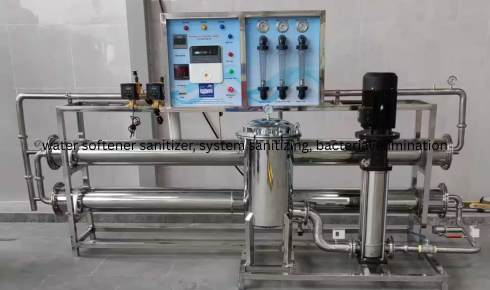
    This is where commercial water filtration systems enter the picture. These systems are designed to handle large volumes of water while removing unwanted particles and chemicals. The goal isn’t just cleaner water—it’s consistency.

    Consistency matters more than people often realize. A café that relies on precise coffee extraction needs water with balanced mineral content. A brewery, similarly, depends on controlled water chemistry to maintain flavor profiles.

    Without reliable filtration, businesses may find themselves constantly adjusting recipes, cleaning equipment, or troubleshooting issues that never quite disappear.

    Not Every Business Needs the Same Approach

    One interesting thing about water treatment is how different every location can be. Two businesses in the same city may experience entirely different water challenges depending on supply sources, pipe systems, or even seasonal changes.

    A car wash facility might need powerful scale control to protect pumps and nozzles. A hotel might prioritize soft water to prevent laundry and plumbing problems. A medical facility, meanwhile, may require advanced filtration to protect sensitive sterilization equipment.

    That’s why modern water systems tend to be designed as business solutions rather than one-size-fits-all products. Engineers and water specialists often analyze the incoming water supply, measure mineral levels, and then recommend a tailored system that fits the specific environment.

    Sometimes that means combining filtration with softening technology. Other times it involves adding carbon filters, reverse osmosis systems, or specialized media that targets particular contaminants.

    The result is a treatment setup that works quietly in the background—doing its job without constant attention.

    The Often Overlooked Benefit: Equipment Longevity

    Businesses tend to focus on immediate improvements when installing water treatment systems. Cleaner dishes. Better tasting drinks. Less visible scale.

    But the real payoff often appears over the long term.

    When water is properly treated, equipment tends to last much longer. Boilers operate more efficiently. Ice machines stay cleaner. Coffee machines require fewer repairs. Plumbing systems remain free of mineral buildup.

    This doesn’t just reduce repair costs—it also improves operational reliability. And reliability, in busy commercial settings, is priceless. Nobody wants to cancel reservations or halt production because a scaled-up heating element finally gave out.

    It’s the sort of quiet upgrade that makes daily operations smoother without drawing attention to itself.

    Thinking About Sustainability

    There’s another layer to the water treatment conversation that businesses are paying more attention to lately: sustainability.

    Efficient systems reduce water waste, energy consumption, and chemical use. When equipment operates at full efficiency, less electricity is required to heat or pump water. Maintenance chemicals and cleaning cycles can also be reduced.

    Many modern water systems are designed with these goals in mind. They regenerate less frequently, optimize flow rates, and monitor performance digitally to minimize resource consumption.

    For businesses trying to lower operating costs while also meeting environmental goals, these improvements can make a noticeable difference.

    A Quiet Investment That Pays Off

    Water rarely gets the spotlight in business planning meetings. It’s simply expected to work. But when quality issues arise, they ripple across operations—from energy bills to equipment repairs to product quality.

    Installing the right treatment system isn’t just a technical upgrade. It’s more like preventative maintenance for an entire operation.

    Restaurants maintain flavor consistency. Hotels protect plumbing systems. Manufacturing plants keep equipment running smoothly. Even small cafés notice improvements in drink quality and machine reliability.

    In many ways, water treatment is one of those behind-the-scenes decisions that supports everything else.

    And perhaps that’s the best way to think about it. Not as a flashy investment or a trendy upgrade—but as a practical, thoughtful step toward making everyday business operations run just a little bit better.


  • The Ultimate Guide to Garage Storage Lifts for Smart Space Management

    The Ultimate Guide to Garage Storage Lifts for Smart Space Management

    Maximizing space in your garage can feel like a constant challenge, especially when tools, seasonal items, and equipment begin to pile up. This is where modern solutions like garage storage lifts come into play. These innovative systems are designed to help homeowners make the most of vertical space, keeping items organized and easily accessible while freeing up valuable floor area.

    What Are Garage Storage Lifts?

    Garage storage lifts are ceiling-mounted systems that allow you to raise and lower heavy or bulky items using either manual or automated mechanisms. These lifts are perfect for storing items like bicycles, storage bins, holiday decorations, and even small equipment. By utilizing unused overhead space, they transform cluttered garages into organized and efficient storage areas.

    Benefits of Garage Lift Storage

    Investing in garage lift storage offers several advantages beyond simple organization. First, it improves safety by reducing the need to stack heavy items on unstable shelves. Second, it makes accessing stored items easier, especially when using motorized options. Finally, it enhances the overall appearance of your garage by reducing visible clutter.

    Another key benefit is flexibility. Many systems can be adjusted to accommodate different weights and sizes, making them suitable for various storage needs.

    Why Choose a Motorized Garage Storage Lift?

    A motorized garage storage lift takes convenience to the next level. Instead of manually cranking or pulling, you can control the lift with a remote or switch. This is particularly useful for people who store heavy items or want a hassle-free experience.

    Motorized lifts are also ideal for individuals with limited mobility, as they eliminate the physical effort required to operate manual systems. Additionally, these lifts often come with safety features such as automatic stop mechanisms and weight sensors, ensuring secure operation.

    Exploring Garage Ceiling Storage Lifts

    When it comes to maximizing vertical space, garage ceiling storage lifts are among the most effective solutions. Installed directly on the ceiling, these systems allow you to store items overhead without taking up any floor space.

    They are especially useful for garages with high ceilings, where traditional shelving may not be practical. By keeping items elevated, you also protect them from potential water damage or dirt accumulation on the ground.

    Another advantage is the ability to customize placement. You can install multiple lifts in different areas of your garage, creating a well-organized storage system tailored to your needs.

    Overhead Garage Storage Lift: A Smart Investment

    An overhead garage storage lift is more than just a storage tool—it’s a long-term investment in your home’s functionality. These systems not only help declutter your space but also add value by improving organization and usability.

    Homeowners who frequently use their garage for multiple purposes, such as parking, workshops, or home gyms, will particularly benefit from overhead storage solutions. By keeping items out of the way, you can create a more versatile and efficient environment.

    Tips for Choosing the Right Garage Storage Lift

    Before purchasing a storage lift, consider the following factors:

    • Weight Capacity: Ensure the lift can handle the items you plan to store.

    • Ceiling Height: Measure your garage height to determine compatibility.

    • Ease of Use: Decide between manual and motorized options based on your needs.

    • Safety Features: Look for systems with secure locking mechanisms and overload protection.

    Final Thoughts

    Garage organization doesn’t have to be complicated or expensive. With the right solution, such as a storage lift system, you can transform your space into a clean, efficient, and highly functional area. Whether you choose a manual setup or a motorized option, these systems offer unmatched convenience and practicality.

    By investing in modern storage solutions, you not only improve your garage’s appearance but also make everyday tasks easier. If you’re looking to maximize space and reduce clutter, garage storage lifts are undoubtedly one of the best options available today.

  • Energy Efficiency Gains from Crawl Space Sealing

    Energy Efficiency Gains from Crawl Space Sealing

    Hidden beneath many homes lies a space that quietly influences indoor comfort and energy use. The crawl space often allows outside air, moisture, and temperature swings to interact with the structure above. Proper sealing transforms that area from an energy drain into a controlled part of the home’s thermal system.

    Significant Reduction in Heating and Cooling Costs

    Energy loss frequently begins in the lowest parts of a house. Open crawl spaces allow outside air to move freely beneath floors, forcing heating and cooling systems to work harder throughout the year. Sealing this space reduces the exchange of outside air, helping the building retain conditioned air inside. Homeowners often notice lower utility bills after sealing improvements are completed. Reduced airflow beneath the structure limits temperature loss through the floor and stabilizes indoor conditions. Many people searching for crawl space repair near me discover that sealing and insulation upgrades can noticeably decrease monthly energy costs.

    Elimination of Air Infiltration and Drafts

    Air infiltration occurs when unsealed openings allow outside air to slip into a structure. Crawl space vents, gaps around pipes, and foundation cracks create pathways that carry cold winter air and humid summer air directly under living spaces. Professional crawl space repair contractors often seal these openings using vapor barriers, foam insulation, and air-sealing materials. This approach stops unwanted airflow and removes the draft-like effect that can develop near floors. Residents seeking crawl space repair in Huntsville AL often address these issues to improve indoor comfort and efficiency.

    Optimization of HVAC System Performance and Longevity

    Heating and cooling systems operate best when indoor air remains stable and predictable. A poorly  sealed crawl space  forces the HVAC system to compensate for changing temperatures beneath the home. The equipment must run longer cycles to keep indoor rooms comfortable.

    Balanced airflow and insulation help the system maintain consistent performance. Once crawl space sealing improves thermal stability, HVAC equipment experiences less strain. Many homeowners who research crawl space waterproofing near me also learn that moisture control and sealing can extend the life of heating and cooling systems.

    Prevention of Thermal Bridging Through the Foundation

    Thermal bridging happens when heat travels through building materials more easily than through insulated areas. Foundation walls and floor framing can act as pathways that transfer outside temperatures into the house.

    Sealing and insulating crawl space walls helps interrupt that heat movement. By creating a continuous thermal barrier, the foundation becomes less susceptible to temperature transfer. Crawl space repair contractors often recommend sealing strategies that prevent these temperature bridges from forming.

    Stabilization of Indoor Temperature Consistency

    Indoor comfort depends on consistent temperatures throughout the home. Open crawl spaces allow shifting outdoor air conditions to influence floor temperatures, especially during seasonal extremes.

    Temperature stability improves once the crawl space becomes sealed and insulated. Air movement beneath the home slows down, which helps the interior environment remain steady. Homeowners searching for  crawl space repair near me  often report fewer cold floors and more balanced room temperatures after sealing work is completed.

    Enhanced Performance of Floor Insulation

    Floor insulation plays an important role in keeping indoor heat where it belongs. However, insulation loses effectiveness when exposed to outdoor air currents or moisture rising from the ground.

    Sealing the crawl space protects insulation materials from those conditions. The barrier created by sealing prevents air and humidity from reducing insulation performance. Residents dealing with crawl space repair in Huntsville AL often combine insulation upgrades with sealing improvements to strengthen energy efficiency beneath the home.

    Controlled Humidity Levels Reducing Latent Heat Load

    Moisture in the crawl space contributes to hidden energy demands. Humid air carries latent heat, which makes cooling systems work harder during warmer months. A damp crawl space can quietly increase the workload on air conditioning equipment.

    Moisture barriers and sealing methods reduce humidity entering the crawl space. Controlled moisture levels allow HVAC systems to focus on temperature rather than constant humidity removal. Many property owners researching crawl space waterproofing near me pursue sealing projects to address both moisture and energy performance.

    Mitigation of the Stack Effect Within the Home

    The stack effect occurs when warm air rises through a building and escapes through the upper levels. This upward movement draws cooler air into lower areas of the structure, including the crawl space.

    Air sealing reduces this vertical airflow cycle. When crawl spaces are properly sealed, less outside air enters the lower portion of the home. Crawl space repair contractors often address these airflow patterns to prevent energy loss through the structure’s natural pressure differences.

    Lowered Carbon Footprint and Overall Energy Consumption

    Improving crawl space efficiency contributes to lower overall energy consumption within the home. Reduced heating and cooling demand means less electricity or fuel is required to maintain indoor comfort.

    Energy savings also lead to environmental benefits. Homes that operate more efficiently generate fewer emissions tied to energy production. Many homeowners seeking crawl space repair near me consider sealing improvements as part of a broader effort to reduce both energy use and long-term utility costs.

    Energy efficiency improvements often begin in areas of the home that remain out of sight. Crawl space sealing can transform an uncontrolled space into a protected foundation for the building’s thermal performance. Kennedy and Sons offer solutions that address crawl space repair, waterproofing, and sealing strategies designed to support long-term efficiency and structural health.

  • The Role of Due Process in U.S. Immigration Proceedings

    The Role of Due Process in U.S. Immigration Proceedings

    The U.S. immigration system is built on a set of legal principles that guide how cases are handled and reviewed. One of the most important of these principles is due process. Due process refers to the legal requirement that government actions affecting an individual’s rights must follow fair procedures and established legal standards.

    In immigration law, due process helps ensure that cases are examined carefully and that individuals have the opportunity to participate meaningfully in the legal process.

    What Due Process Means in Immigration LawDue process is a constitutional concept that requires the government to follow fair procedures before making decisions that affect a person’s liberty or legal status. In immigration proceedings, this principle applies to many aspects of the legal process.

    For example, due process generally includes:

    • Receiving notice of immigration charges or proceedings
    • Having the opportunity to present evidence and testimony
    • Being allowed to challenge evidence presented by the government
    • Having a decision made by a neutral judge

    These procedural safeguards help ensure that immigration decisions are based on a fair evaluation of the facts.

    Notice and the Right to RespondOne key element of due process is proper notice. When immigration proceedings begin, individuals typically receive official documentation explaining the allegations against them and informing them of their scheduled court hearings.

    This notice allows individuals to understand the issues involved in their case and prepare an appropriate response.

    Having clear information about the legal process is essential for ensuring that individuals can participate effectively in their hearings.

    The Opportunity to Present EvidenceDue process also includes the opportunity to present evidence and testimony during immigration proceedings. Individuals may provide documents, witness statements, or other materials that support their legal arguments.

    During court hearings, immigration judges review this evidence alongside information provided by government attorneys.

    This process helps ensure that both sides of the case are considered before a decision is made.

    The Role of Immigration JudgesImmigration judges play a central role in protecting due process within immigration proceedings. Judges are responsible for evaluating the evidence, interpreting immigration law, and ensuring that hearings follow established procedures.

    Their role is to provide an impartial review of the case and determine how immigration law applies to the facts presented.

    Because immigration cases can involve complex legal issues, judges must carefully analyze the information provided during the proceedings.

    Appeals and Legal ReviewDue process also extends beyond the initial court hearing. If an individual believes that a legal error occurred during their case, immigration law allows for additional review through appeals.

    Appeals are typically filed with the Board of Immigration Appeals (BIA), which examines whether the immigration judge applied the law correctly.

    In some situations, federal courts may also review legal questions related to immigration decisions.

    These review mechanisms provide additional safeguards to ensure that immigration cases are handled according to proper legal standards.

    Detention and Constitutional ProtectionsSome immigration cases involve detention while legal proceedings are ongoing. When individuals remain in custody for extended periods, questions may arise regarding whether continued detention is consistent with constitutional protections.

    Federal courts sometimes examine these issues through legal petitions that challenge the lawfulness of detention itself. In certain circumstances, individuals may seek assistance from legal professionals, including a Habeas Corpus Lawyer, who can request that a federal judge review whether the detention complies with applicable laws.

    This type of legal review focuses on detention rather than the immigration case’s final outcome.

    Why Due Process Is ImportantDue process is essential for maintaining fairness within the immigration legal system. By ensuring that individuals receive notice, have the opportunity to present evidence, and can challenge decisions through appeals, the system promotes accountability and transparency.

    These protections help ensure that immigration cases are resolved according to established legal principles rather than arbitrary decisions.

    ConclusionDue process plays a fundamental role in U.S. immigration proceedings. It ensures that individuals involved in immigration cases are given fair opportunities to understand the charges against them, present evidence, and receive impartial review from the courts.

    Through these procedural safeguards, the immigration system seeks to balance enforcement of immigration laws with the principles of fairness and justice that are central to the legal system.

  • TAG Heuer Watches vs Other Sports Watch Brands 

    TAG Heuer Watches vs Other Sports Watch Brands 

    Creating a more daring, performance-based image coupled with the Swiss accuracy has helped TAG Heuer watches gain a solid reputation in the luxury sports watch market. The brand has been known to push the limits of innovation in the chronograph and motorsport timing since its establishment in 1860. In the modern competitive market, the TAG Heuer watches are competing with such established brands as Rolex, Omega, and Breitling, and the modern sports-centred smartwatch brands. In order to understand the differentiation of TAG Heuer, one needs to find out more about its heritage, design and technology, durability and the overall positioning of the brand in the global sports watch industry.

    Brand Heritage and Legacy in Sports Timing

    The strong association of TAG Heuer watches with motorsport and time accuracy is one of the strengths of the brand. The brand was renowned for the production of highly developed chronographs and dashboard timers that were used in the races. Such motorsport DNA helps TAG Heuer to have a unique identity among others. The example of Rolex and Omega focuses on the themes of exploration and luxury status, and Olympic and space heritage, respectively. TAG Heuer watches also place great emphasis on speed, competition and under-pressure performance that have been taken up by sports fans and adrenaline-powered professionals all over the world.

    Design Philosophy and Aesthetic Appeal

    The watches by TAG Heuer have a sporty yet classy style that is more elegant and bold. The sharp lines of the cases, tachometer bezels, and dials, which are very legible, are featured in collections like Carrera, Monaco, and Aquaracer collections targeting the active lifestyles of people. By comparison, Rolex sports watches tend to have more conservative and classical designs, whereas Breitling models are more aviation-inspired in their design of instruments. The watches of TAG Heuer are unique and differentiated with the use of dynamic colour mixes, creative materials and unique shapes, which are popular with younger consumers who are interested in modern luxury that does not necessarily mean the end of Swiss-made watches.

    Innovation and Technological Advancement

    TAG Heuer watches have always focused on innovation. The brand has been the first to develop high precision chronographs and is still working on better materials like titanium, ceramic and carbon composites. Since Rolex spends much on proprietary mechanical movements and Omega on anti-magnetic technology, TAG Heuer integrates digital development and mechanical performance. The launch of the TAG Heuer Connected smartwatch is a sign of the progressive approach taken by the brand, and the brand can compete with not only the classic Swiss brands but also with technology-oriented sports watch makers in the wearable market.

    Durability and Performance Capabilities

    Sports watches should be extremely durable and that is why the watches produced by TAG Heuer are designed based on this. The Aquaracer collection has great water resistance and durability in construction that is applicable in diving and water sports. Likewise, the TAG Heuer Carrera collection offers strong chronograph features to the motor sport fans. There are also competing brands which manufacture professional-grade dive watches and pilot watches, including Omega and Breitling. Nonetheless, TAG Heuer watches tend to offer similar performance characteristics at a less expensive and more affordable option, which is also appealing to customers who appreciate both durability and cost-efficiency.

    Pricing Strategy and Market Position

    Pricing is also a significant factor of differentiation of TAG Heuer watches as compared to the other brands of sports watches. According to the mid-to-upper luxury sector, TAG Heuer occupies a niche of people falling between the entry-level Swiss watches and those who can afford the other ultra-luxury watches like Rolex. This positioning ensures that TAG Heuer watches are attractive to potential luxury consumers who are not on the top end of the price. Whereas Rolex models are usually sold at high prices because of the scarcity and exclusivity of the brand, TAG Heuer can offer good value and competitive prices by selling high-quality Swiss engineering at relatively affordable rates.

    Brand Image and Celebrity Endorsements

    TAG Heuer watches enjoy the advantages of aggressive advertising campaigns and good celebrity endorsement that underpin the contemporary and ambitious image. The brand involves professional sportsmen, actors, and world sports ambassadors to emphasize on their speed, innovativeness and perseverance. Rolex tends to be less outspoken in its approach to the marketing philosophy as it is based on heritage and tradition, and Omega focuses on the fact that it has been a long-standing sponsor of major events throughout the world. TAG Heuer watches are distinguished by vigorous branding and inspirational advertising that directly addresses performance and endurance that targeted persons who are driven admire.

    Craftsmanship and Swiss Quality Standards

    Swiss craftsmanship is one of the major elements that are important in the popularity of TAG Heuer watches. Each timepiece is a result of thorough designing, quality assembly and strictness in quality. Even though collectors claim that Rolex and other luxury brands might have more elaborate finishing, TAG Heuer is always ready to provide a stable automatic and quartz movement. The balance in the durability, aesthetic look and performance of this brand makes sure that the TAG Heuer watches have a lot of credibility in the luxury sports watch market without being overly critical in terms of cost of production and retail charges.

    Smartwatch Integration and Digital Evolution

    Digital capabilities in the current sports watch market continue to grow, and TAG Heuer watches have managed to enter the industry with the Connected line. Compared to traditional rivals, which are interested in mechanical craftsmanship only, TAG Heuer is open to wearable technology and does not ignore such standards as the luxury design. This combination will be attractive to tech-conscious consumers who want to get fitness tracking, notifications, and customizable interfaces in an over-the-top Swiss product. With the introduction of mechanical chronographs and high-end digital smartwatches, TAG Heuer successfully makes the transition between the conservative horology and the digitized digital lifestyle.

    Resale Value and Investment Perspective

    Many buyers of luxury watches also put into consideration the resale value. The functions of Rolex sports models are normally characterized by the shortage and high demand in the secondary market. Omega also has good resale strength. TAG Heuer watches do not necessarily fit in with Rolex in terms of appreciation over time, however, their relatively lower entry cost tends to offset this contrast. Customers who put more emphasis on personal pleasure, athletic style, and brand-related heritage could consider TAG Heuer watches to be a more comfortable and fulfilling investment with slightly lower resale prices.

    Target Audience and Consumer Appeal

    TAG Heuer watches are normally marketed to young professionals, sports enthusiasts and individuals who purchase the first luxury watch. The modern look and the motorsport heritage of the brand generate the feeling of ambition and progression. Rolex tends to market to existing enthusiasts and status oriented consumers, whereas digital oriented brands target performance oriented athletes who are interested in the ability to track their data. TAG Heuer watches are in an unique position and can be enjoyed by those who desire a prestigious and yet vigorous watch that fits in both workplaces and active lifestyle.

    Conclusion: Choosing Between TAG Heuer and Competitors

    Priorities and preferences will eventually decide on the choice between TAG Heuer watches and other sport watch brands. TAG Heuer can be of particular interest to buyers who value heritage but want bold innovation as well. Individuals who may be interested in the highest resale value would look at Rolex and tech-savvy would want to look into smart watch-oriented brands. Nonetheless, the watches created by TAG Heuer effectively blend the heritage of motorsport, Swiss manufacturing, contemporary design, and affordable luxury rates. Such a moderate strategy helps to make the brand a powerful and competitive player in the constantly changing sports watch market in the world.

  • Why Your Water Tastes Different Every Day: Understanding Filtration, TDS, and Smarter Choices at Home

    Why Your Water Tastes Different Every Day: Understanding Filtration, TDS, and Smarter Choices at Home

    The Subtle Moment You Start Noticing Your Water

    Most people don’t pay attention to water until something changes. It might be the taste of tea feeling slightly dull one morning, or the faint chalky residue left inside a kettle after boiling. Sometimes it’s just a strange thought that pops into your head — why does water taste better at some places than others?

    These little observations usually lead to a deeper curiosity.

    We assume water is simple. Clear equals clean, right? But in reality, water carries dissolved minerals, microscopic particles, and treatment chemicals that influence how it tastes, feels, and behaves inside our homes.

    Understanding what’s actually in your water can feel surprisingly empowering — like turning on a light in a room you didn’t realize was dim.

    What TDS Really Means in Everyday Life

    One of the first things people encounter when researching water quality is the term TDS, or total dissolved solids.

    It sounds technical, but it’s actually quite straightforward. TDS measures the amount of dissolved substances — minerals, salts, and tiny particles — present in water.

    These substances can come from natural sources like soil and rock, or from treatment processes used to keep water safe during distribution.

    Understanding tds significance helps explain why water tastes different from place to place. Low TDS water often tastes lighter and cleaner, while high TDS levels can make water feel heavy or slightly bitter.

    It’s not always about safety — many dissolved solids are harmless. But their presence affects comfort, appliance efficiency, and overall drinking experience.

    That’s why monitoring TDS levels has become a key part of modern water quality awareness.

    Why Filtration Isn’t One-Size-Fits-All

    Water filtration isn’t a single solution. Different systems target different types of impurities, which is why choosing the right approach requires understanding your specific water conditions.

    Some filters focus on sediment removal. Others address chlorine and odors. More advanced systems can reduce dissolved substances, heavy metals, and chemical traces.

    This is where comparing filtration types becomes important.

    Activated carbon filters, for example, are excellent at improving taste and removing chlorine. Water softeners address mineral hardness but don’t remove dissolved contaminants. Reverse osmosis systems provide the most comprehensive treatment by removing a wide range of impurities at a microscopic level.

    Each system serves a unique purpose, and combining them often provides the best overall results.

    The Role of Reverse Osmosis in Modern Water Treatment

    Among the many filtration technologies available today, reverse osmosis has gained widespread popularity.

    At its core, reverse osmosis works by forcing water through an ultra-fine membrane that blocks most dissolved substances while allowing pure water molecules to pass through.

    The reverse osmosis benefits are both practical and noticeable. It can significantly reduce dissolved solids, improve taste, and remove many microscopic contaminants that traditional filters cannot address.

    Homeowners often describe the difference as subtle but satisfying — water tastes smoother, coffee feels richer, and even ice cubes appear clearer.

    For many households, reverse osmosis systems become a cornerstone of their water treatment strategy.

    How Water Quality Affects Everyday Living

    Water quality influences more than just drinking habits.

    Hard water can leave scale deposits inside appliances, reducing efficiency and increasing energy consumption. Chlorine can alter the taste of beverages and affect cooking outcomes.

    Filtered water, on the other hand, often improves daily comfort in unexpected ways. Showers feel gentler on skin, laundry retains softness, and cleaning becomes easier without mineral residue.

    These small improvements add up, making water treatment systems feel like quiet upgrades that enhance overall home living.

    Choosing the Right System for Your Needs

    Selecting a water filtration system begins with understanding your local water conditions.

    Testing water quality helps identify issues such as high TDS levels, mineral hardness, or chemical residues.

    From there, homeowners can evaluate system capacity, installation requirements, and maintenance considerations.

    Professional consultation can also help ensure compatibility with existing plumbing systems and long-term reliability.

    Taking a thoughtful approach helps maximize both performance and cost efficiency.

    Maintenance: The Often Overlooked Key

    Even the most advanced filtration systems require regular upkeep.

    Filters must be replaced periodically, membranes need inspection, and system performance should be monitored over time.

    Neglecting maintenance can reduce effectiveness and allow impurities to return.

    Fortunately, many modern systems include automated indicators that simplify maintenance scheduling.

    Consistent care ensures that filtration systems continue providing high-quality water for years.

    The Future of Water Filtration Technology

    Water treatment technology is evolving rapidly.

    New filtration materials are improving efficiency while reducing environmental impact. Smart monitoring systems now allow homeowners to track water quality in real time through mobile applications.

    There’s also growing emphasis on sustainability, with designs that minimize water waste and energy consumption.

    These advancements promise to make clean, reliable water more accessible and convenient in the future.

    A Small Change That Brings Everyday Confidence

    Water is one of life’s simplest necessities, yet its quality influences countless aspects of daily living.

    From improving taste and comfort to protecting appliances and supporting healthier habits, modern filtration systems offer practical benefits that extend far beyond drinking.

  • The Quiet Science of Healing: How Modern Wound Closure Shapes Recovery

    The Quiet Science of Healing: How Modern Wound Closure Shapes Recovery

    Where the Real Healing Begins

    When people think about surgery, their minds usually jump straight to the dramatic parts — the operation itself, the precise incisions, the problem being fixed. But surgeons often see things a little differently.

    For them, one of the most critical moments comes at the very end, when it’s time to close the wound.

    Because closing a surgical site isn’t just about sealing the skin. It’s about restoring stability, protecting internal tissues, and setting the stage for how the body will heal over the next weeks and months. In many ways, it’s the final step that determines whether everything that came before it will hold strong.

    And it’s surprisingly complex.

    The Balance Between Strength and Healing

    One of the first decisions surgeons make during wound closure is choosing the right type of sutures. This isn’t a one-size-fits-all situation. Different tissues heal at different rates, and closure materials must match those timelines carefully.

    This is where absorbable sutures become incredibly valuable.

    These sutures are designed to break down naturally inside the body over time. Made from specialized synthetic or organic materials, they provide temporary support during the crucial early stages of healing.

    Surgeons often use them for internal tissues — muscles, organs, or deeper layers of skin — where removing stitches later would be difficult or impractical.

    What makes absorbable sutures particularly fascinating is how precisely they’re engineered. They dissolve gradually, maintaining strength long enough for tissues to regain stability before disappearing completely.

    For patients, this means less discomfort and fewer follow-up procedures. Healing becomes smoother, almost quietly managed from within.

    When Long-Term Support Is Needed

    Of course, not all wounds heal quickly. Some areas require long-term stability, especially when exposed to movement or external stress.

    In these cases, surgeons often rely on non-absorbable sutures.

    Unlike their absorbable counterparts, these sutures remain intact until they are manually removed. They’re typically used for skin closures or areas where prolonged support is necessary.

    Non-absorbable sutures are known for their durability and minimal tissue reaction. Materials like nylon, silk, and polypropylene provide consistent strength throughout the healing process.

    There’s something reassuring about their reliability. They hold firm while the body slowly repairs itself, acting almost like a temporary scaffolding that keeps everything aligned.

    For many patients, the removal of these sutures marks a meaningful milestone — a visible sign that healing is well underway.

    Beyond Sutures: The Tools That Make Closure Possible

    While sutures play a central role, they’re only part of the story. Surgeons also rely on a variety of specialized wound closure tools to ensure precise and efficient results.

    These tools include needle holders, staplers, tissue adhesives, and advanced closure devices designed to streamline the process while minimizing tissue trauma.

    For example, surgical staplers can close large incisions quickly and consistently, reducing operation time. Tissue adhesives offer an alternative for smaller wounds, creating protective seals without the need for stitches at all.

    Each tool serves a specific purpose, allowing surgeons to adapt closure techniques based on the nature of the wound and the needs of the patient.

    It’s a reminder that modern medicine often relies on thoughtful combinations of methods rather than a single solution.

    The Human Skill Behind Closure Techniques

    Despite technological advancements, wound closure remains a highly skilled manual process.

    Surgeons must carefully assess factors like tissue tension, wound location, and healing potential before choosing the best approach. They rely on tactile feedback — the subtle feel of tissue resistance — to guide their technique.

    There’s a certain artistry involved. The spacing of stitches, the tightness of knots, the alignment of skin edges — all of these details influence both healing and cosmetic outcomes.

    It’s one of those aspects of surgery where technical knowledge and human intuition come together seamlessly.

    How Closure Choices Affect Recovery

    The way a wound is closed can significantly impact recovery.

    Proper closure supports tissue stability, reduces infection risk, and promotes efficient healing. It also plays a major role in minimizing scarring and maintaining long-term structural integrity.

    For patients, this translates into tangible benefits — less pain, quicker healing, and improved comfort during recovery.

    Understanding this connection highlights why surgeons devote so much attention to closure decisions at the end of every procedure.

    It’s not just a finishing step; it’s a critical foundation for healing.

    Advances in Wound Closure Technology

    Over the years, closure techniques have evolved dramatically.

    Modern sutures are designed with enhanced flexibility, antimicrobial coatings, and improved strength retention. Advanced closure devices allow for more precise application with minimal tissue disruption.

    Researchers are also exploring innovative solutions such as bioengineered materials that actively promote tissue regeneration.

    These developments reflect an ongoing effort to make surgical recovery safer, faster, and more comfortable for patients.

    Looking Toward the Future of Surgical Healing

    The future of wound closure may involve even more personalized approaches.

    Smart sutures capable of monitoring healing conditions are already being studied. Biodegradable materials may eliminate the need for suture removal altogether.

    Artificial intelligence could also assist surgeons in selecting optimal closure methods based on patient-specific data.

    These advancements promise to further improve outcomes and enhance the overall surgical experience.

    A Quiet Yet Essential Part of Healing

    For most patients, the memory of surgery fades quickly. What remains is the experience of recovery — the gradual return to normal life, the fading of scars, the relief of healing.

    Few ever think about the careful work involved in closing their wounds.

    Yet sutures and closure tools operate quietly behind the scenes, ensuring stability and supporting the body’s natural repair processes.

  • When Your Water Leaves a Mark: Practical Ways to Keep Your Home Looking Its Best

    When Your Water Leaves a Mark: Practical Ways to Keep Your Home Looking Its Best

    There’s a particular kind of frustration that comes from cleaning the bathroom sink, stepping back to admire your work… and then noticing those faint white rings reappear a few days later. You scrub the shower glass, polish the faucet, wipe down the tiles — and somehow, the dull haze creeps back in.

    If that sounds familiar, you’re not alone. Water has a way of leaving its signature behind. It’s subtle at first, but over time, the buildup becomes harder to ignore.

    Most of the time, the culprit is mineral-heavy water. And while it’s not necessarily unsafe, it can quietly wear down the look and efficiency of your home.

    The Story Behind Those Chalky Spots

    When water contains higher levels of calcium and magnesium, it’s referred to as hard water. As it dries on surfaces, those minerals remain behind. That’s how hard water deposits form — the white, chalky residue around faucets, showerheads, and even on dishes fresh out of the dishwasher.

    At first, it’s cosmetic. A little cloudy glass. A faucet that doesn’t quite sparkle. But over time, mineral buildup can narrow water flow, reduce appliance efficiency, and make cleaning feel like a never-ending chore.

    The frustrating part? Regular household cleaners often smear or temporarily mask the residue instead of truly dissolving it.

    Vinegar solutions can help break down scale, and there are dedicated descaling products designed specifically for mineral buildup. The key is consistency. Waiting until deposits become thick and stubborn only makes removal harder.

    Why Prevention Is Easier Than Restoration

    Scrubbing off scale is one thing. Preventing it in the first place is another — and usually far less exhausting.

    Installing a water softener is one long-term option. By reducing the mineral content before water reaches your fixtures, you minimize buildup dramatically. It doesn’t eliminate cleaning entirely, but it makes it manageable.

    Even small daily habits help. Wiping down shower walls with a squeegee. Drying faucets after use. Running occasional cleaning cycles on appliances.

    These habits may seem minor, but they prevent minerals from setting in. Think of it like brushing your teeth. A little effort daily prevents bigger problems later.

    The Overlooked Side of Fixture Maintenance

    We tend to focus on visible surfaces, but true fixture care goes beyond what you can see.

    Faucet aerators, showerheads, and internal components can all collect mineral deposits. If you notice reduced water pressure, it might not be a plumbing disaster — it could simply be buildup inside the fixture.

    Removing and soaking aerators in a descaling solution can restore proper flow. Showerheads often benefit from occasional vinegar baths to dissolve scale. These small maintenance steps extend the lifespan of fixtures and keep water flowing smoothly.

    It’s easy to ignore what’s working “well enough,” but preventive attention pays off.

    Appliances Feel It Too

    Hard water doesn’t stop at sinks and showers. It affects dishwashers, washing machines, and water heaters. Over time, scale can accumulate on heating elements, forcing appliances to work harder and use more energy.

    This is where water system cleaning becomes part of the bigger picture. Periodic flushing of water heaters, cleaning dishwasher interiors with descaling agents, and maintaining filtration systems all contribute to long-term efficiency.

    When appliances run cleaner, they run better. It’s that simple.

    And if you’ve ever replaced a water heater earlier than expected, you know how expensive neglect can be.

    When to Consider Professional Help

    Not every water issue requires a major investment. But if you’re battling constant buildup, frequent appliance repairs, or noticeably reduced water pressure, it might be worth consulting a professional.

    Water testing can reveal hardness levels and other contributing factors. From there, you can decide whether a softener, filtration system, or simple maintenance adjustments make sense.

    It doesn’t have to be overwhelming. Sometimes the solution is straightforward — a small upgrade that saves time and frustration for years to come.

    The Aesthetic Impact You Didn’t Expect

    There’s something satisfying about a clean, reflective faucet or a crystal-clear shower door. When mineral buildup is under control, your home simply looks fresher.

    You spend less time scrubbing. Cleaning feels quicker and more effective. Even laundry can appear brighter when minerals aren’t dulling fabrics.

    These aren’t dramatic transformations. They’re incremental improvements that quietly improve daily life.

    And often, that’s the kind of upgrade that sticks.

    A Balanced Approach to Better Water

    Water is constant. It touches every corner of your home — visible and hidden alike. While you can’t change its nature entirely, you can manage its effects.

    Address buildup early. Maintain fixtures regularly. Consider long-term solutions if mineral content is high. Stay consistent with cleaning routines.

    None of it requires perfection. Just awareness.

    Because when your water stops working against you — when faucets stay shiny longer and appliances run smoothly — the difference is noticeable.

    And maybe that’s the real takeaway. A little attention to what flows through your pipes can make your home feel cleaner, calmer, and just a bit easier to maintain.

  • Warmth That Lasts: A Human Guide to Smarter Heating Choices at Home

    Warmth That Lasts: A Human Guide to Smarter Heating Choices at Home

    There’s a certain quiet comfort that comes from knowing your home will stay warm when the temperature outside drops. It’s not dramatic or flashy — just steady, reliable warmth that wraps around you the moment you walk through the door. Most of us don’t think about it much, honestly. Heating systems tend to live their lives quietly in the background, humming away without asking for attention.

    Until they do.

    And when they do, it’s rarely at a convenient time. Usually it happens during the coldest week of the year, right when you need it most. That’s when people start realizing something they hadn’t really considered before — heating isn’t just a home feature. It’s part of everyday stability.

    The Starting Point: Choosing the Right System

    Every comfortable home begins with one important decision: selecting the right heating setup. This isn’t always as straightforward as it sounds. Different homes have different needs — size, insulation levels, climate conditions, and even lifestyle patterns all influence what works best.

    Professional heating installation ensures that the system matches these unique factors. A properly installed unit doesn’t just heat efficiently — it distributes warmth evenly, avoids excessive energy use, and operates safely over the long term.

    Poor installation, on the other hand, can lead to problems that linger for years. Uneven heating, frequent breakdowns, and rising energy bills often trace back to this early stage. It’s a bit like building a house on uneven ground — you might not notice at first, but the effects eventually show.

    Why Heating Systems Are More Personal Than We Think

    Temperature affects us emotionally as much as physically. A warm home can change how we experience everyday life. It helps us relax after a long day, improves sleep quality, and makes cold mornings easier to face.

    On the flip side, when heating struggles, even simple tasks can feel frustrating. Working in a chilly room, waking up to cold air, or constantly adjusting thermostats creates subtle stress.

    It’s not always obvious, but comfort plays a big role in mental well-being. That’s why maintaining a reliable heating environment is about more than convenience — it supports how we live and feel at home.

    The Often Overlooked Importance of Regular Care

    Many homeowners treat heating systems like they’re permanent fixtures — install them once, then forget about them. In reality, they’re machines with moving parts, electrical components, and airflow pathways that naturally wear over time.

    Routine heating maintenance helps keep everything running smoothly. During inspections, technicians clean filters, check wiring, calibrate thermostats, and look for early signs of wear.

    This kind of preventive care can extend a system’s lifespan significantly. It also reduces the likelihood of unexpected breakdowns during winter, when repair demand — and stress levels — tend to peak.

    Maintenance isn’t about fixing problems. It’s about preventing them from ever becoming visible.

    The Energy Factor: Comfort Meets Efficiency

    Energy costs are something nearly every homeowner worries about, especially during colder months when heating systems run more frequently.

    Older systems often consume far more power than necessary, even when functioning correctly. This inefficiency leads to higher utility bills without providing additional comfort.

    Modern energy efficient heating solutions address this issue by optimizing performance while minimizing consumption. Technologies like variable-speed motors, smart thermostats, and advanced insulation integration allow systems to adjust output based on actual needs rather than operating at full capacity constantly.

    The result is simple: consistent warmth with lower energy use.

    Recognizing the Signs of a System That Needs Attention

    Heating systems rarely fail without warning. Most problems develop gradually, sending small signals before becoming serious.

    Some common early signs include:

    • Rooms heating unevenly

    • Unusual noises during operation

    • Increased energy bills without explanation

    • Longer heating cycles

    • Frequent thermostat adjustments

    These indicators might seem minor at first, but they often point to underlying inefficiencies. Addressing them early usually prevents larger repairs later.

    It’s similar to noticing a small crack in a wall — ignoring it rarely makes it disappear.

    The Role of Professional Expertise

    Heating systems combine mechanical, electrical, and airflow technologies. Attempting to repair or adjust them without proper knowledge can lead to safety risks or long-term damage.

    Professional technicians bring both technical training and experience. They understand how different components interact, how environmental factors influence performance, and how to identify issues before they become visible.

    Perhaps more importantly, they provide clarity. Instead of guessing what’s wrong, homeowners can receive clear explanations, realistic timelines, and transparent cost estimates.

    That sense of certainty can make a stressful situation feel far more manageable.

    The Emotional Side of Warmth

    Warmth creates more than physical comfort — it shapes atmosphere. It turns a house into a welcoming space. Think about winter evenings spent with family, warm blankets, and soft lighting. Or that quiet satisfaction of stepping inside after being out in cold weather.

  • Finding the Right Mental Health Support in Beverly Hills: What Really Matters

    Beverly Hills Therapist
    Beverly Hills Therapist

    There’s a strange irony about living in a fast-paced, high-expectation environment: from the outside, everything can look polished and perfect, yet internally, many people feel overwhelmed, uncertain, or quietly exhausted. Beverly Hills, known for success, beauty, and ambition, is no exception to this reality. In fact, the pressure to maintain a certain image often makes emotional struggles feel even more isolating.

    And that’s why mental health support here isn’t just helpful — it’s essential. But finding the right professional isn’t as simple as scrolling through a directory. It’s a deeply personal decision that requires trust, comfort, and alignment with your unique needs.


    Why Mental Health Support Looks Different for Everyone

    Mental wellness isn’t one-size-fits-all. Some people seek help during major life transitions — a career shift, a breakup, or a loss. Others reach out because of persistent anxiety, burnout, or a feeling they can’t quite name but know shouldn’t be ignored.

    And sometimes, people don’t even realize they need support until small daily stressors begin stacking up like unwashed dishes in the sink — harmless individually, overwhelming when ignored.

    That’s where therapy plays a unique role. It’s not just about solving problems. It’s about understanding yourself, building resilience, and learning to navigate life’s uncertainties with greater clarity.

    Working with a Beverly Hills Therapist often means entering a space where emotional awareness and personal growth are prioritized alongside confidentiality and empathy. The goal isn’t perfection — it’s progress.


    Therapy vs. Psychiatry: Understanding the Difference

    One common source of confusion is the distinction between therapists and psychiatrists. Both play vital roles in mental health care, but their approaches differ significantly.

    Therapists typically focus on talk-based interventions, helping clients explore thought patterns, emotional triggers, and behavioral habits. They guide conversations that foster insight and coping strategies.

    Psychiatrists, on the other hand, are medical doctors who can diagnose mental health conditions and prescribe medications when necessary. They often work with clients experiencing severe or complex mental health challenges.

    Consulting a Beverly Hills Psychiatrist may be especially beneficial when symptoms interfere significantly with daily functioning or require medical evaluation.

    In many cases, the most effective care involves collaboration between both professionals — blending emotional support with medical expertise.


    The Importance of Personal Compatibility

    Choosing a mental health professional isn’t just about qualifications. It’s about connection.

    Research consistently shows that the therapeutic relationship itself is one of the strongest predictors of positive outcomes. In simple terms, people benefit most when they feel safe, heard, and understood.

    That’s why many professionals encourage potential clients to schedule initial consultations before committing to ongoing sessions.

    During these conversations, it’s helpful to ask yourself:

    • Do I feel comfortable speaking openly with this person?
    • Do they listen attentively without judgment?
    • Do their communication style and approach resonate with me?

    Trust often develops gradually, but the foundation should feel solid from the start.


    Cultural Sensitivity and Communication Preferences

    In a diverse community like Beverly Hills, cultural awareness plays an increasingly important role in mental health care.

    Clients often feel more comfortable when professionals understand their background, values, and communication styles. Language, cultural norms, and personal identity all shape how individuals experience and express emotional challenges.

    That’s why identifying a therapist who respects your Preferred content language and cultural context can significantly enhance the therapeutic process.

    When communication feels natural, conversations flow more freely, and clients are more likely to engage deeply in their healing journey.


    Breaking the Stigma Around Mental Health

    Despite growing awareness, mental health stigma still lingers in many communities — especially in environments where success and image are heavily emphasized.

    Some individuals hesitate to seek help because they fear judgment or perceive therapy as a sign of weakness.

    In reality, the opposite is true.

    Seeking support demonstrates courage, self-awareness, and a commitment to personal well-being. Just as people consult physicians for physical health concerns, mental health professionals provide guidance for emotional resilience.

    Gradually, attitudes are shifting. More people are recognizing that mental health care is not a luxury — it’s a fundamental part of overall wellness.


    What to Expect During the First Session

    For many first-time clients, uncertainty about what happens in therapy can feel intimidating.

    Typically, initial sessions involve discussing personal history, current concerns, and goals for treatment. Professionals may ask questions about relationships, work life, stress levels, and emotional patterns.

    There’s no pressure to share everything immediately. Therapy moves at a pace that respects the client’s comfort level.

    Over time, sessions often evolve into collaborative conversations focused on insight, coping strategies, and personal growth.


    The Long-Term Benefits of Mental Health Support

    Consistent mental health care can produce lasting benefits that extend far beyond symptom relief.

    Clients often report improvements in:

    • Emotional regulation
    • Relationship quality
    • Decision-making confidence
    • Stress management
    • Self-awareness

    Perhaps most importantly, therapy helps individuals build a stronger relationship with themselves — fostering resilience that lasts well beyond the therapy room.


    A Personal Journey, Not a Quick Fix

    It’s important to remember that mental health care isn’t about instant transformation. It’s a process.

    Some breakthroughs happen quickly. Others unfold slowly, like learning a new language — awkward at first, gradually more natural.

    The key is patience and consistency.


    Creating a Healthier Future Through Support

    In a world that often prioritizes productivity and achievement, emotional well-being sometimes gets pushed aside.

    But when individuals invest in mental health support, they’re not just addressing immediate concerns — they’re building a foundation for long-term stability and fulfillment.

    And that foundation allows people to navigate life with greater clarity, confidence, and compassion — both for themselves and for others.

    Because ultimately, mental health care isn’t about fixing something that’s broken.

    It’s about strengthening what makes us human.