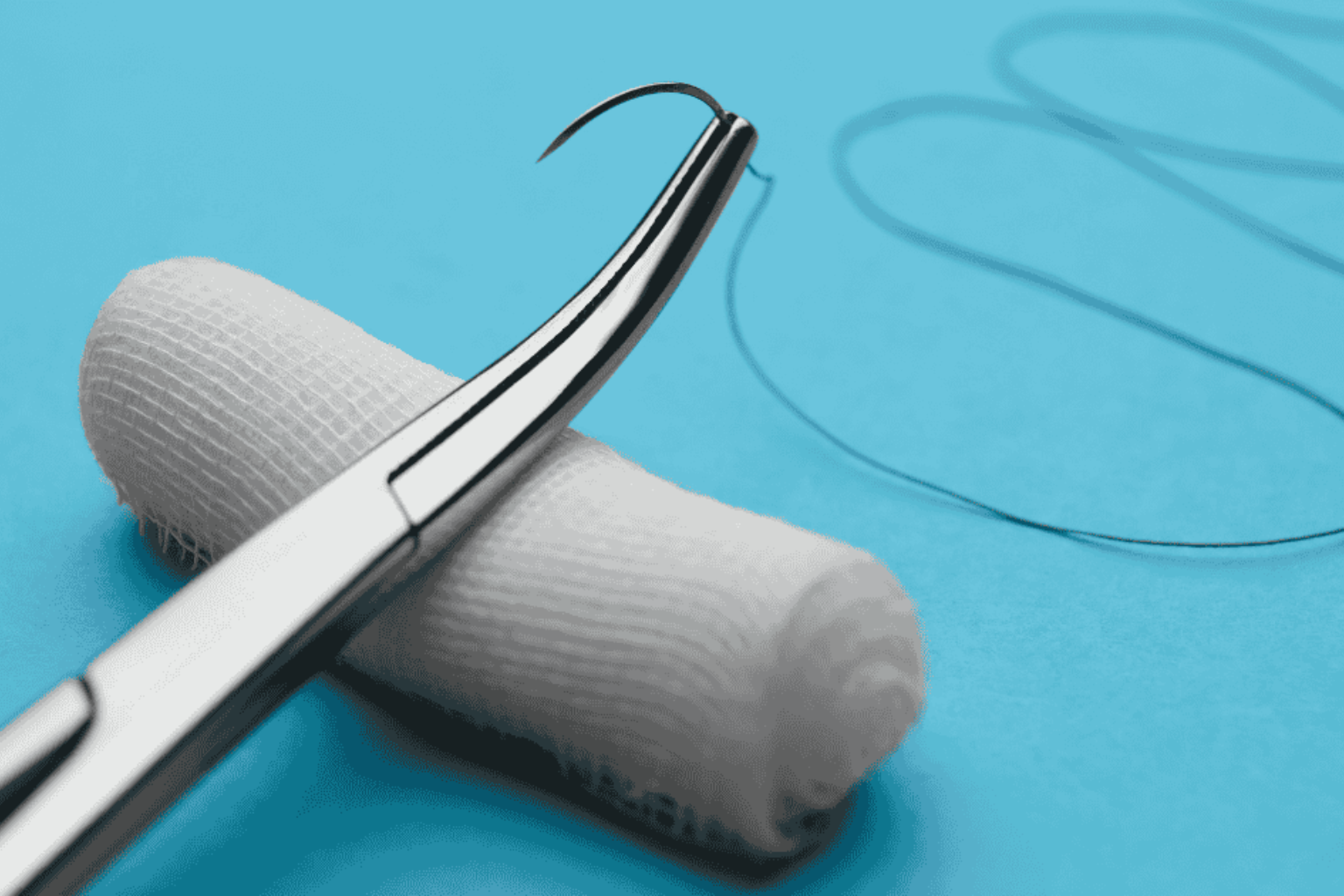
Where the Real Healing Begins
When people think about surgery, their minds usually jump straight to the dramatic parts — the operation itself, the precise incisions, the problem being fixed. But surgeons often see things a little differently.
For them, one of the most critical moments comes at the very end, when it’s time to close the wound.
Because closing a surgical site isn’t just about sealing the skin. It’s about restoring stability, protecting internal tissues, and setting the stage for how the body will heal over the next weeks and months. In many ways, it’s the final step that determines whether everything that came before it will hold strong.
And it’s surprisingly complex.
The Balance Between Strength and Healing
One of the first decisions surgeons make during wound closure is choosing the right type of sutures. This isn’t a one-size-fits-all situation. Different tissues heal at different rates, and closure materials must match those timelines carefully.
This is where absorbable sutures become incredibly valuable.
These sutures are designed to break down naturally inside the body over time. Made from specialized synthetic or organic materials, they provide temporary support during the crucial early stages of healing.
Surgeons often use them for internal tissues — muscles, organs, or deeper layers of skin — where removing stitches later would be difficult or impractical.
What makes absorbable sutures particularly fascinating is how precisely they’re engineered. They dissolve gradually, maintaining strength long enough for tissues to regain stability before disappearing completely.
For patients, this means less discomfort and fewer follow-up procedures. Healing becomes smoother, almost quietly managed from within.
When Long-Term Support Is Needed
Of course, not all wounds heal quickly. Some areas require long-term stability, especially when exposed to movement or external stress.
In these cases, surgeons often rely on non-absorbable sutures.
Unlike their absorbable counterparts, these sutures remain intact until they are manually removed. They’re typically used for skin closures or areas where prolonged support is necessary.
Non-absorbable sutures are known for their durability and minimal tissue reaction. Materials like nylon, silk, and polypropylene provide consistent strength throughout the healing process.
There’s something reassuring about their reliability. They hold firm while the body slowly repairs itself, acting almost like a temporary scaffolding that keeps everything aligned.
For many patients, the removal of these sutures marks a meaningful milestone — a visible sign that healing is well underway.
Beyond Sutures: The Tools That Make Closure Possible
While sutures play a central role, they’re only part of the story. Surgeons also rely on a variety of specialized wound closure tools to ensure precise and efficient results.
These tools include needle holders, staplers, tissue adhesives, and advanced closure devices designed to streamline the process while minimizing tissue trauma.
For example, surgical staplers can close large incisions quickly and consistently, reducing operation time. Tissue adhesives offer an alternative for smaller wounds, creating protective seals without the need for stitches at all.
Each tool serves a specific purpose, allowing surgeons to adapt closure techniques based on the nature of the wound and the needs of the patient.
It’s a reminder that modern medicine often relies on thoughtful combinations of methods rather than a single solution.
The Human Skill Behind Closure Techniques
Despite technological advancements, wound closure remains a highly skilled manual process.
Surgeons must carefully assess factors like tissue tension, wound location, and healing potential before choosing the best approach. They rely on tactile feedback — the subtle feel of tissue resistance — to guide their technique.
There’s a certain artistry involved. The spacing of stitches, the tightness of knots, the alignment of skin edges — all of these details influence both healing and cosmetic outcomes.
It’s one of those aspects of surgery where technical knowledge and human intuition come together seamlessly.
How Closure Choices Affect Recovery
The way a wound is closed can significantly impact recovery.
Proper closure supports tissue stability, reduces infection risk, and promotes efficient healing. It also plays a major role in minimizing scarring and maintaining long-term structural integrity.
For patients, this translates into tangible benefits — less pain, quicker healing, and improved comfort during recovery.
Understanding this connection highlights why surgeons devote so much attention to closure decisions at the end of every procedure.
It’s not just a finishing step; it’s a critical foundation for healing.
Advances in Wound Closure Technology
Over the years, closure techniques have evolved dramatically.
Modern sutures are designed with enhanced flexibility, antimicrobial coatings, and improved strength retention. Advanced closure devices allow for more precise application with minimal tissue disruption.
Researchers are also exploring innovative solutions such as bioengineered materials that actively promote tissue regeneration.
These developments reflect an ongoing effort to make surgical recovery safer, faster, and more comfortable for patients.
Looking Toward the Future of Surgical Healing
The future of wound closure may involve even more personalized approaches.
Smart sutures capable of monitoring healing conditions are already being studied. Biodegradable materials may eliminate the need for suture removal altogether.
Artificial intelligence could also assist surgeons in selecting optimal closure methods based on patient-specific data.
These advancements promise to further improve outcomes and enhance the overall surgical experience.
A Quiet Yet Essential Part of Healing
For most patients, the memory of surgery fades quickly. What remains is the experience of recovery — the gradual return to normal life, the fading of scars, the relief of healing.
Few ever think about the careful work involved in closing their wounds.
Yet sutures and closure tools operate quietly behind the scenes, ensuring stability and supporting the body’s natural repair processes.