
Kuching and Sarawak: A Cultural Guide for Malaysian Travellers
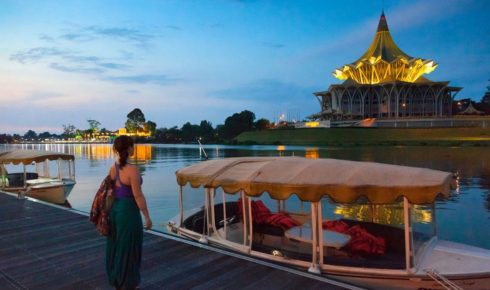
Sarawak is the bigger half of Malaysia that most peninsular Malaysians have never visited. It’s geographically larger than the entire west coast combined, culturally distinct in ways that surprise first-time arrivals, and easily reachable by direct flights from KL or KK. For a weekend that feels like a different country without crossing a border, Kuching is the entry point.
Smart travellers usually book domestic flights on Traveloka as the first step of planning. Kuching’s accommodation skews boutique-and-small, and the better stays sell out faster than the resort-heavy west-coast destinations.
Kuching: A City Built Around a River
Kuching is unusually walkable for a Malaysian state capital. The Sarawak River runs through the centre, with the waterfront promenade as the city’s main social space — particularly at sunset. Take a tambang (river crossing boat) over to the north bank to see Fort Margherita and the Astana.
The Sarawak Cultural Village, about 30 minutes from the city, presents the seven main ethnic groups of Sarawak in a setting that manages to feel educational rather than performative. Half a day is enough.
Food That Doesn’t Exist Elsewhere
Sarawak laksa is the must-try. The broth is sambal-tomato-coconut, completely different from Penang or Johor laksa. Choon Hui Café and Madam Tang are the institutions for it. Kolo mee, midin (jungle fern), and umai (raw fish ceviche) round out a proper Sarawak food day.
Top-Spot Food Court on the rooftop of a multi-storey car park is where locals go for seafood. Pick your fish from the tanks; it’s grilled or steamed in front of you.
Bako National Park
An hour from Kuching, Bako delivers proboscis monkeys, bearded pigs, mangrove forests, and decent beaches — all within a single park. Stay overnight at the basic park lodges to maximise your wildlife-spotting hours. Day-trippers see only half of what Bako offers.
The Iban Longhouse Experience
If you have an extra day, an overnight stay at an Iban longhouse upriver is the kind of experience peninsular Malaysia simply cannot offer. Operators in Kuching organise the boat transfer to longhouses on the Lemanak or Skrang rivers. Expect basic accommodation, traditional dance, and slow conversations with longhouse residents.
Best Time to Visit
Sarawak is wet year-round, but the dry season runs roughly June to September. Avoid the rainy peak in November-January if you’re set on river activities. Major festivals — Gawai (June 1-2), Rainforest World Music Festival (July) — are worth scheduling around, but accommodation triples in price.
How to Get There
Direct flights from KL, JB, Subang, Penang, KK, and Singapore all serve Kuching International. The flight from KL takes roughly 1.5 hours. For travellers combining Sabah and Sarawak in a single trip, the KK-Kuching connection is well-served. Locking in flights via book domestic flights on Traveloka early — particularly during festival season — saves significant frustration.
What to Bring Back
Sarawak makes for unusually good souvenir shopping. Sarawak black pepper, locally roasted Liberica coffee, kek lapis (the colourful layered cake), and beadwork from Iban or Bidayuh artisans are the standouts. Tanoti House in Kuching specialises in traditional textiles and Penan-woven baskets. Avoid the tourist-trap souvenir shops along the waterfront — the better pieces are at the smaller boutiques tucked into the heritage shophouses on Carpenter Street.