Climate Volatility and Urban Infrastructure: Defending Residential Assets Against Severe Weather Anomalies
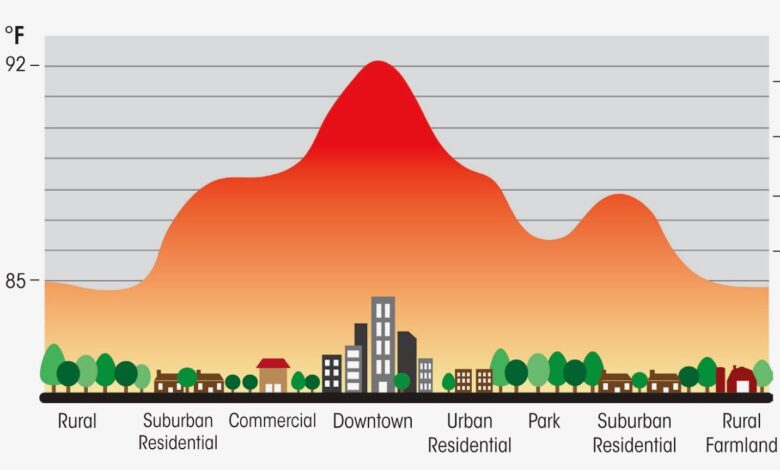
As global municipal planning divisions and architectural forecasting boards adapt to accelerating climate shifts, the focus of urban resilience has fundamentally shifted. Municipalities are no longer just preparing for surface-level weather changes; they are actively re-engineering building codes to protect deep, subterranean structural networks from intense, seasonal environmental stress.
In fast-growing metropolitan centers across the Southwest, these climate anomalies present a major financial challenge to both property owners and municipal infrastructure grids.
During seasonal transition periods, properties are subjected to extreme shifts—moving from intense, dry heatwaves exceeding 115°F to sudden, high-volume flash floods and monsoon storms.
When these severe weather shifts interact with older or non-compliant residential water, gas, and drainage networks, they create serious infrastructure risks. Left unmanaged, these hidden system failures can lead to sudden structural damage, gas line emergencies, and massive property asset losses.
[Extreme Desert Heatwaves] ──> Soil Contraction ──> Flash Flood Pressure Shocks ──> [Subsurface Line Breaches]
The Structural Dynamic of Environmental System Stress
The hidden infrastructure lines buried beneath modern properties are designed to operate under stable, predictable soil pressures. However, severe climate variations completely disrupt this subterranean balance:
- Soil Desiccation and Structural Shifting: Extended periods of intense heat dry out local clay soil layers, causing the earth to shrink and shift. This ground movement places intense physical stress on rigid underground utility and water lines, leaving them highly vulnerable to sudden fractures.
- Monsoon Pressure Spikes and Flash Flooding: When sudden, intense rainstorms drop inches of water in a matter of hours, local municipal drainage systems face immense hydraulic pressure. This sudden influx creates intense backpressure in residential lines, leading to sewer backups and hazardous pipeline stresses if backflow preventers aren’t properly maintained.
Furthermore, rapid changes in groundwater temperatures can cause pipe materials to expand and contract too quickly, accelerating corrosion and leading to sudden leaks behind drywall and beneath concrete foundations.
Navigating Regulatory Safety Standards for Asset Protection
To insulate residential properties from these expanding environmental liabilities, building overhauls and utility updates must go beyond quick, temporary fixes. Every structural modification, line reroute, or system expansion must comply fully with updated regional structural safety codes to handle extreme environmental demands safely.
[System Technical Evaluation] ──> Code-Compliant Modernization ──> Certified Climate-Resistant Asset
Before initializing any heavy infrastructure updates or line reroutes, executing full regulatory due diligence is a mandatory step. Property owners planning structural upgrades can review a comprehensive compliance checklist by examining the framework required for securing plumbing permits in Maricopa County legal requirements to ensure their project adheres to all local building codes and safety standards.
By partner with licensed, commercial-grade engineering groups like Aqua Plumbing Services, real estate owners can fully secure their properties against severe weather anomalies. Taking a compliant, systems-first approach to infrastructure updates lets you protect your property’s value, prevent unexpected utility emergencies, and ensure your building systems operate safely through every seasonal shift.
To schedule a comprehensive property hydraulic safety audit or review code-compliant utility line modernization plans, explore the heavy-duty residential and commercial frameworks designed by the team at https://apsplumbingaz.com/ to build a highly durable, climate-resilient estate.