There comes a point when those stubborn white stains around the bathroom faucet become more than a minor annoyance. You clean them away, only to find them returning a few days later. Perhaps you’ve also noticed that your morning coffee tastes different or your freshly washed towels feel unusually rough.
These little frustrations can sometimes be traced back to your household water supply.
Before spending money on filters, softeners, or specialized cleaning products, it makes sense to understand what’s causing the problem. Water testing offers a straightforward way to gather useful information without immediately committing to expensive equipment.
And the process is often simpler than many homeowners imagine.
What Happens During an In-Home Water Test?
Having your water professionally examined doesn’t necessarily mean collecting samples yourself and sending them to a laboratory. Many treatment providers offer appointments that take place directly at your property.
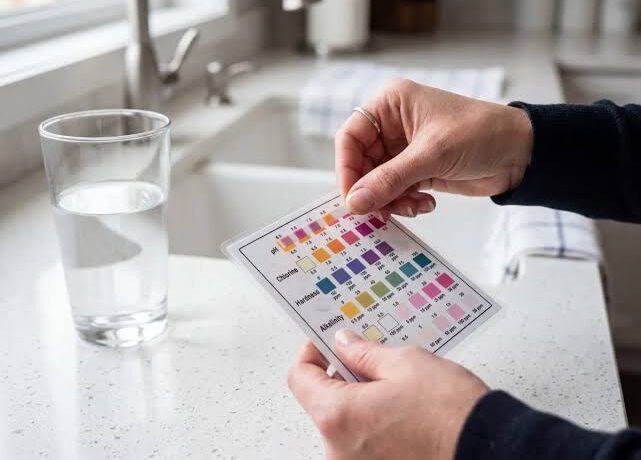
Scheduling a free basic in-home water test can be a convenient way to explore common water quality concerns. Depending on the provider, the assessment may include measurements of hardness, pH, chlorine, and total dissolved solids.
A technician may also ask about your household’s water consumption and any problems you’ve experienced with plumbing, appliances, or drinking water.
These conversations matter. Something as simple as noticing an unpleasant smell only when running hot water can provide useful clues.
However, basic testing shouldn’t be confused with comprehensive laboratory analysis. Certain contaminants require specialized testing methods, particularly when drinking water safety is a concern.
Understanding the Little Clues Around Your House
Sometimes, your home tells you quite a bit about your water quality without you realizing it.
White, chalky deposits around showerheads often suggest excessive water hardness. Orange or reddish stains may be associated with iron, while a swimming pool-like smell could result from chlorine used during municipal water treatment.
Cloudy dishes and difficulty producing soap lather are other familiar complaints.
Still, these signs aren’t definitive proof of a particular problem. Different water conditions can produce similar symptoms.
A professional water quality assessment helps connect these everyday observations with measurable findings. Rather than guessing why something is happening, homeowners can begin to understand the underlying cause.
That knowledge becomes particularly valuable when deciding whether treatment equipment is necessary.
Why Local Knowledge Can Make a Difference
Water conditions vary considerably between communities. Geological formations, groundwater sources, municipal treatment methods, and plumbing infrastructure all influence the characteristics of household water.
Experienced providers of local water testing services may be familiar with recurring concerns within the surrounding area, making it easier to investigate certain problems.
For example, communities located near limestone formations may experience higher levels of water hardness, while properties with older plumbing might encounter sediment or corrosion-related concerns.
Local experience is useful, but it shouldn’t replace proper testing. Even houses located next door to one another can have different water quality issues.
A good service provider will base recommendations on your property’s actual conditions rather than assuming every household in the neighborhood needs identical equipment.
Making Sense of Water Test Results
Water reports sometimes contain numbers and abbreviations that mean very little to the average homeowner. Fortunately, understanding the basics isn’t particularly difficult.
Hardness measurements indicate the concentration of minerals responsible for scale formation, mainly calcium and magnesium.
The pH level describes how acidic or alkaline your water is. Meanwhile, total dissolved solids provide an estimate of dissolved substances without identifying them individually.
Chlorine measurements can help investigate certain disinfectant-related tastes and odors.
Remember, a higher reading doesn’t automatically mean your water is unsafe. Some measurements relate primarily to household maintenance and personal preferences rather than health concerns.
Ask your technician to explain the findings in plain English. You deserve to understand the results before making any purchasing decisions.
Avoiding the Expense of Unnecessary Treatment
There’s certainly no shortage of water treatment products on the market. Some promise impressive results, while others advertise advanced features that sound particularly appealing.
But buying equipment without reliable test results is a risky approach.
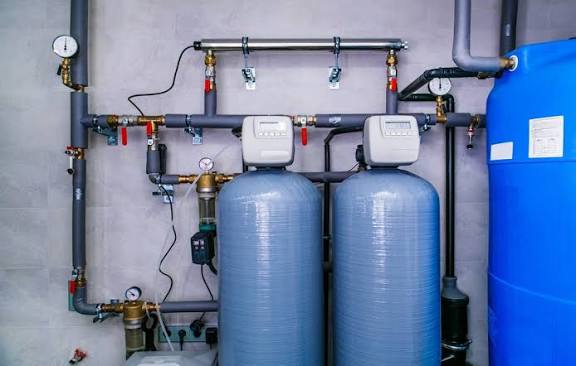
A conventional water softener can help address excessive hardness, but it won’t necessarily improve chlorine-related tastes. An activated carbon filter may address those tastes but ordinarily won’t remove hardness minerals.
Reverse osmosis can reduce certain dissolved contaminants, provided the equipment is certified for the intended purpose.
Sometimes, a straightforward treatment system is all you need. In other cases, additional treatment may not be necessary at all.
Getting your water tested first helps you avoid paying for features that offer little practical benefit.
When Basic Water Testing Isn’t Enough
An initial household assessment is useful, but it doesn’t answer every possible question about drinking water.
Contaminants such as lead, bacteria, and nitrates may require targeted laboratory testing. Private well owners should be especially mindful of regular testing because groundwater conditions can change over time.
Flooding, significant plumbing repairs, or unexpected changes in water appearance may also warrant further investigation.
Don’t assume that pleasant-tasting water is automatically safe. When specific health-related concerns arise, consult a qualified laboratory or your local health authority for appropriate guidance.
Turning Information Into Better Everyday Living
Once you understand your water quality, deciding what to do next becomes much easier.
Perhaps you’ll benefit from a water softener that helps reduce mineral deposits. Maybe a drinking water filter will address that unpleasant aftertaste you’ve been tolerating for years.
Whatever the outcome, make sure you understand the equipment’s maintenance requirements and long-term operating costs before committing.
Good water treatment should make your life easier, not become another complicated household responsibility.
At the end of the day, understanding your water supply is a surprisingly practical investment. You use water when cooking, cleaning, bathing, and relaxing with a cup of tea. Knowing a little more about its quality can help you make thoughtful decisions that benefit your home for years to come.