Water is something we use constantly, yet its quality often goes unnoticed until it begins causing problems. You might see white spots on dishes, notice soap leaving a residue on your skin, or find yourself cleaning the same mineral stains from faucets every few days. These little things can become surprisingly annoying, especially when regular cleaning doesn’t seem to make much difference.
In many households, the issue comes down to water hardness. It’s a common concern, but one that can be managed with the right knowledge and treatment. Understanding your water is the first step toward protecting household appliances, improving everyday comfort, and making cleaning a little less of a chore.
What Exactly Is Hard Water?
People often ask what is hard water and why it causes so many household problems. Hard water is water that contains relatively high concentrations of dissolved minerals, mainly calcium and magnesium. These minerals occur naturally as water passes through rocks and soil, eventually making their way into groundwater and local water supplies.
Hard water isn’t necessarily unsafe to drink. In fact, calcium and magnesium are minerals that naturally occur in many water sources. The concern is generally related to their effect on plumbing, cleaning, and appliances rather than the water simply being unsuitable for everyday use.
However, when hard water is heated or evaporates, it can leave mineral deposits behind. Over time, those deposits may accumulate inside pipes, kettles, showerheads, washing machines, and water heaters. The result is a familiar chalky residue that can be difficult to remove completely.
The Everyday Effects of Hard Water
Hard water can make ordinary household tasks more frustrating than they need to be. Soap and detergents may not perform as effectively, meaning you sometimes use more product just to get the same results. Clothes can feel stiff after washing, glassware may develop cloudy spots, and bathroom surfaces often require extra scrubbing.
Mineral deposits can also build up inside appliances. Heating elements in water heaters and other equipment may become coated with scale, potentially affecting heat transfer and increasing maintenance needs. Showerheads can develop blocked openings, leading to uneven water flow.
These problems usually develop gradually, which is why many homeowners don’t immediately connect them to their water supply. After a while, though, the extra cleaning and maintenance begin to feel like a permanent part of life.
How Water Softening Can Help
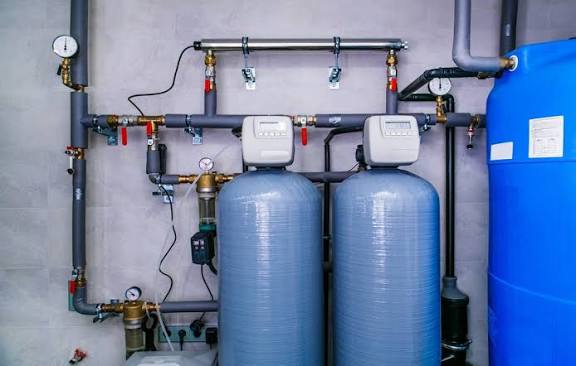
A practical way to address hardness is by installing water softener systems designed to remove hardness minerals from the water. Most conventional ion-exchange softeners work by replacing calcium and magnesium ions with sodium or potassium ions as water passes through a resin bed.
This process changes the water’s hardness and helps prevent the mineral deposits commonly associated with hard water. Softened water can improve soap performance, reduce scale formation, and make routine cleaning easier.
The difference may become noticeable in several places around the house. Shower glass may require less effort to clean, laundry can feel softer, and faucets may remain free of chalky deposits for longer. Appliances that use heated water can also benefit from reduced scale accumulation when the softener is properly selected and maintained.
That said, water softening doesn’t remove every possible contaminant. If the water has concerns involving sediment, chlorine, iron, or other substances, additional treatment may be needed.
Protecting Plumbing and Appliances From Scale
Mineral buildup isn’t just a cosmetic issue. Over time, scale can collect inside pipes, valves, water heaters, and appliance components. In severe cases, deposits may contribute to reduced flow or increased maintenance requirements.
Taking steps to reduce hard water buildup can help homeowners avoid some of these recurring problems. Softening equipment is often installed where the main water supply enters the property, allowing treated water to reach multiple fixtures and appliances.
However, the system should be sized according to household water consumption, incoming hardness, peak flow requirements, and plumbing conditions. A small system may struggle to meet demand, while oversized equipment can unnecessarily increase costs.
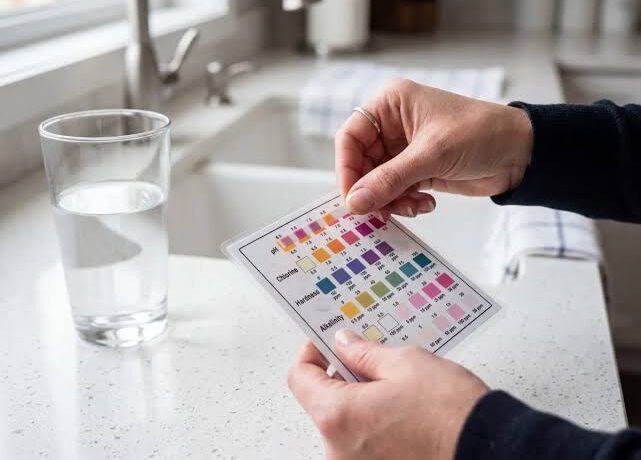
Testing the water before installation is important. Hardness levels vary from one area to another, and the results help determine the appropriate softener capacity and settings.
Is a Water Softener Right for Every Home?
Not necessarily. Some households experience only mild hardness and may not need a dedicated softener. Others deal with substantial mineral buildup that makes treatment worthwhile.
Before investing, consider your water test results, the condition of your plumbing, appliance usage, and the amount of maintenance you’re comfortable handling. Conventional softeners require periodic salt replenishment, occasional cleaning, and regular checks to ensure they continue operating properly.
It’s also sensible to discuss drinking-water preferences. Some people prefer a separate drinking-water filtration system in the kitchen, particularly if they want to address taste or other water quality concerns alongside softening.
Choosing a Solution That Makes Sense
Hard water is a common household challenge, but it doesn’t have to dictate how much time you spend cleaning or maintaining appliances. The right treatment system can help make everyday routines easier while reducing the scale-related problems that often develop over time.
Start with a water test rather than assumptions. Compare available systems, understand their maintenance requirements, and choose equipment suited to your home’s actual water conditions.
Better water isn’t always about dramatic changes. Sometimes it’s simply cleaner shower glass, soap that works properly, fewer mineral stains, and appliances that need less attention. Those small improvements can make a real difference in how comfortable your home feels over the years.