Blog

  • Top Benefits of Martial Arts for Kids – Discipline, Confidence, and Fitness

    Top Benefits of Martial Arts for Kids – Discipline, Confidence, and Fitness

    As parents, finding activities that are both fun and beneficial for your child’s growth can be a challenge. Martial arts for kids offers an ideal solution by providing an engaging and educational experience that promotes discipline, builds confidence, and improves physical fitness. Whether your child is new to martial arts or looking to continue their training, martial arts classes offer numerous advantages that can positively impact their development.

    In Peoria, AZ, there are a variety of martial arts programs available for children, and enrolling them in a structured and supportive class can lead to lasting benefits. In this guide, we’ll explore the top reasons why martial arts training is beneficial for kids and how it helps them grow into confident, disciplined, and healthy individuals.

    Why Choose Martial Arts for Kids?

    Enrolling your child in martial arts for kids is not just about learning self-defense techniques. It’s a comprehensive activity that fosters important life skills, supports mental and physical development, and provides children with a sense of accomplishment. Here’s why martial arts is an excellent choice for your child:

    1. Improved Discipline and Focus

    One of the key reasons many parents choose martial arts for kids is the emphasis on discipline and focus. Martial arts training teaches children to follow instructions carefully, practice techniques consistently, and respect their instructors and peers. These habits form the foundation of self-discipline, which can help children improve their behavior at home and perform better in school.

    In martial arts classes, kids learn that progress comes through hard work and dedication. They begin to understand the importance of setting goals, working toward them, and remaining focused throughout the process. This ability to concentrate and stay disciplined is a valuable life skill that benefits them in academics, sports, and other areas of life.

    2. Boosts Confidence and Self-Esteem

    Confidence is another major benefit of martial arts for kids. As children learn new techniques and progress through the belt ranks, they experience a sense of accomplishment that boosts their self-esteem. Whether it’s mastering a difficult move or earning a new belt, each milestone helps children realize their potential and believe in themselves.

    Martial arts classes also provide a safe and supportive environment where children are encouraged to step out of their comfort zone and take on challenges. This gradual development of skills helps kids build resilience and confidence, enabling them to handle difficult situations with a positive mindset.

    Additionally, martial arts instill a sense of personal responsibility. Kids learn that they are accountable for their own progress, which teaches them to take pride in their achievements and take ownership of their actions.

    3. Physical Fitness and Health

    Keeping kids active is essential for their physical health, and martial arts for kids is an excellent way to ensure they get the exercise they need. Martial arts training is a full-body workout that improves strength, flexibility, coordination, and endurance. Each class involves a mix of cardio exercises, strength-building drills, and flexibility training that keeps kids moving and engaged.

    Unlike traditional sports, martial arts training offers a dynamic and varied workout. Children are constantly learning new movements, practicing kicks, punches, stances, and combinations, which keeps them interested and excited about physical activity.

    Regular martial arts training can also help improve balance and coordination, two critical skills for growing children. By practicing different techniques and movements, kids learn to control their bodies more effectively, reducing the risk of injury in everyday activities.

    4. Teaches Respect and Social Skills

    Respect is a core value in martial arts. From the moment they step into the dojo, children are taught to respect their instructors, peers, and themselves. This culture of respect extends beyond the martial arts class, influencing how kids interact with others in their daily lives.

    Through martial arts for kids, children also learn important social skills such as teamwork, cooperation, and communication. Martial arts classes often involve partner drills and group exercises, which teach kids how to work together and support each other. These experiences help them build positive relationships and develop empathy for others.

    5. Self-Defense and Safety Awareness

    While martial arts are about much more than self-defense, knowing how to protect oneself is an important skill that kids learn through training. Martial arts for kids teaches practical self-defense techniques that can be used to stay safe in real-world situations. Children learn how to defend themselves physically, but they also learn to be more aware of their surroundings and avoid dangerous situations altogether.

    The self-defense skills taught in martial arts give kids the confidence and awareness they need to navigate various social situations, whether it’s dealing with a bully or handling peer pressure.

    The Lifelong Benefits of Martial Arts for Kids

    Enrolling your child in martial arts for kids is one of the best decisions you can make for their overall development. With a focus on discipline, confidence, fitness, and respect, martial arts training helps children become well-rounded individuals who are prepared for the challenges life may bring. From physical health to mental resilience, the lessons learned in martial arts will stay with your child long after they leave the dojo.

    If you’re in Peoria, AZ, and looking for the right martial arts school for your child, consider Destiny Martial Arts Academy. With experienced instructors and a family-oriented atmosphere, Destiny Martial Arts Academy offers a nurturing environment where kids can learn, grow, and succeed. Give your child the gift of confidence, discipline, and fitness by enrolling them in martial arts today!

  • The Ultimate Guide to French Door Refrigerators – Style Meets Functionality

    The Ultimate Guide to French Door Refrigerators – Style Meets Functionality

    When it comes to modern kitchen appliances, few items can match the blend of style and functionality offered by French door refrigerators. Renowned for their elegant design and spacious interiors, these refrigerators have become a popular choice for homeowners looking to enhance both the aesthetics and utility of their kitchens. This guide will explore the key features, benefits, and considerations when choosing a French door refrigerator.

    Understanding French Door Refrigerators

    French door refrigerators are characterized by their unique layout, featuring two side-by-side doors for the refrigerator section and a bottom freezer compartment. This design allows easy access to fresh food items while keeping frozen goods conveniently located below. The layout is not only visually appealing but also maximizes storage efficiency, making it an ideal option for families and individuals alike.

    Key Features

    1. Ample Storage Space

    One of the standout features of French door refrigerators is their generous storage capacity. The wide shelves and adjustable bins provide flexibility for storing various food items, from large platters to tall bottles. Many models also include door-in-door storage, which allows for quick access to frequently used items without fully opening the refrigerator.

    2. Energy Efficiency

    In an age where energy consumption is a significant concern, French door refrigerators often come equipped with energy-efficient technologies. Many models are ENERGY STAR certified, which means they meet strict energy efficiency guidelines. Features like LED lighting and smart temperature control contribute to lower energy bills while maintaining optimal food storage conditions.

    3. Advanced Cooling Technologies

    Modern French door refrigerators utilize advanced cooling systems to keep food fresher for longer. Features such as dual evaporators help maintain optimal humidity levels and prevent odor transfer between the refrigerator and freezer sections. Additionally, many models include adjustable temperature controls and specialized storage zones for different food types, ensuring your groceries are stored at the ideal temperature.

    4. Smart Technology Integration

    With the rise of smart home technology, many French door refrigerators now offer connectivity options that allow you to control and monitor your fridge from your smartphone. You can adjust temperatures, receive alerts when the door is left open, and even track your grocery inventory, making meal planning more efficient than ever.

    Benefits of French Door Refrigerators

    1. Stylish Aesthetics

    The sleek design of French door refrigerators adds a modern touch to any kitchen. Available in various finishes, including stainless steel, matte black, and vibrant colors, they can complement any kitchen decor. Their sophisticated appearance makes them a focal point in your kitchen, enhancing its overall aesthetic.

    2. User-Friendly Access

    The design of French door refrigerators allows for easy access to food items without the need to bend down frequently. The refrigerator section is at eye level, making it simple to locate and grab what you need. This ergonomic design is especially beneficial for individuals with mobility issues or those who frequently cook and prepare meals.

    3. Versatile Freezer Space

    The bottom freezer design of French door refrigerators provides easier access to frozen items. Unlike traditional top-freezer models, the bottom freezer layout allows for more organized storage, with pull-out drawers or baskets that make it simple to find items. This feature is particularly useful for families who often buy in bulk or freeze leftovers.

    Considerations When Choosing a French Door Refrigerator

    While French door refrigerators offer numerous advantages, there are a few factors to consider before making a purchase.

    1. Size and Space Requirements

    Before investing in a French door refrigerator, measure the space in your kitchen. Ensure that the refrigerator will fit comfortably, allowing enough clearance for the doors to open fully. Additionally, consider the depth of the model, as some French door refrigerators can be quite deep, potentially protruding from your countertops.

    2. Budget

    French door refrigerators come in various price ranges, so it’s essential to establish a budget before shopping. While premium models offer advanced features and luxurious finishes, there are plenty of affordable options that still provide great functionality and style.

    3. Features vs. Needs

    Finally, consider which features are most important to you. Do you need a water and ice dispenser? Is energy efficiency a top priority? Understanding your needs will help you choose the right model that balances functionality and style.

    Conclusion

    French door refrigerators are a fantastic addition to any kitchen, marrying style with practicality. With their spacious interiors, energy-efficient designs, and advanced technology, they meet the needs of modern households. By considering your space requirements, budget, and desired features, you can find the perfect French door refrigerator that enhances your kitchen’s functionality while adding a touch of elegance. Whether you’re a culinary enthusiast or simply looking for a reliable appliance, a French door refrigerator is sure to elevate your kitchen experience.

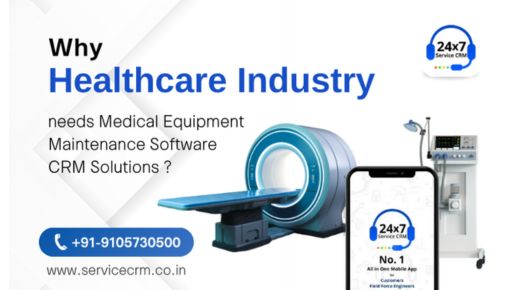
  • Why Healthcare Industry need Medical Equipment Maintenance Software CRM Solutions?

    Why Healthcare Industry need Medical Equipment Maintenance Software CRM Solutions?

    In the continuously changing healthcare scene, high quality patient care requires effective medical equipment administration and maintenance. Medical Equipment Maintenance Software CRM solutions are urgently needed in healthcare. These advanced software solutions are essential for medical institutions managing complicated equipment, guaranteeing regulatory compliance, and increasing operational efficiency.

    We’ll explore how Medical Equipment Maintenance Software may transform equipment management, expedite maintenance, and improve patient care. This post will show you why contemporary healthcare providers need such software more than simply a technical boost.

    The Critical Role of Medical Equipment in Healthcare

    Medical equipment underpins contemporary treatment. Advanced diagnostic and life support equipment are essential to patient care, treatment, and rehabilitation. Healthcare facilities need help with medical equipment growing complexity and volume.

    Challenges in Managing Medical Equipment

    Inventory Tracking and Asset Management

    Healthcare institutions need help managing their massive medical equipment. Problems arise without an efficient system:

    • Find equipment when required
    • Track equipment use
    • Avoid theft or loss
    • Asset allocation optimization

    Maintenance Scheduling and Tracking

    Equipment dependability and durability require regular maintenance. However, managing many device maintenance plans may be difficult without the right tools. Automatic scheduling and tracking make Medical Equipment AMC Maintenance Software useful.

    Compliance with Regulatory Standards

    The healthcare business is heavily regulated. Specialist software may make it easier to ensure that medical equipment satisfies these criteria and is documented correctly.

    Cost Management

    Wasted money from inefficient equipment management includes:

    • Premature equipment replacement
    • Too much downtime
    • Overstocked spares
    • Maintenance labor expenses rise

    Introducing Medical Equipment Maintenance Software

    Medical Equipment Maintenance Software is a complete solution for healthcare providers’ asset management issues. This innovative software bundles equipment management into a simple platform.

    Key Features of Medical Equipment Management Software

    Centralized Asset Database

    A powerful Medical Equipment Management Software centralizes all medical assets. Healthcare facilities can:

    • Keep thorough equipment records
    • Monitor equipment location, status, and life cycles.
    • Create thorough reports

    Automated Maintenance Scheduling

    Medical Equipment AMC Maintenance Software automates maintenance schedule. This feature guarantees:

    • Preventive maintenance is timely.
    • Service requests are expedited.
    • Maintenance history is precise.

    Regulatory Compliance Management

    To assist healthcare practitioners in fulfilling strict regulations, the software usually includes:

    • Built in compliance checks
    • Automatic inspection/certification reminders
    • Management of regulatory audit documentation

    Work Order Management

    Timely equipment maintenance requires efficient work order administration. The software simplifies medical service maintenance by:

    • Making work orders easier to create and assign
    • Real time work order tracking
    • Provide technicians with mobile access

    Inventory and Spare Parts Management

    Effective inventory management reduces equipment downtime. The software aids:

    • Tracking spare parts inventory
    • Automating reorders
    • Optimizing stock levels

    Benefits of Implementing Medical Equipment Maintenance Software

    Enhanced Patient Safety and Care Quality

    Medical equipment maintenance and availability may significantly enhance patient safety and treatment quality. This may be the most important feature of Medical Equipment Maintenance Software.

    Increased Operational Efficiency

    Medical Equipment Maintenance Software automates and reduces mistakes. This boosts healthcare facility productivity and efficiency.

    Cost Reduction

    Healthcare institutions may save costs by improving asset management, preventative maintenance, and inventory control. Long term savings typically exceed software costs.

    Implementing Medical Equipment Maintenance Software

    Assess Your Facility Needs

    Assess your facility needs and issues before choosing Medical Equipment Maintenance Software. Consider your equipment inventory, maintenance practices, and system pain areas.

    Ensure Scalability

    Choose an adaptable system to grow with your company and meet shifting demands. Your software should adapt to the ever changing healthcare business.

    Prioritize User Friendliness

    Choose software with an easy to use interface to ensure departmental uptake. The simpler the program, the more likely your staff will use its capabilities.

    Join Existing Systems

    Search for solutions that work smoothly with your IT and healthcare management systems. This connection will streamline information throughout your company.

    Give Proper Training

    Staff using the program should get extensive training to optimize its advantages. This comprises IT, clinical, maintenance, and administrative professionals.

    The Impact of Medical Equipment Maintenance Software on Healthcare Operations

    Streamlined Workflow

    Medical Equipment Maintenance Software automates numerous equipment administration activities, allowing personnel to concentrate on patient care. This optimized approach boosts healthcare facility efficiency.

    Reduced Equipment Downtime

    Healthcare institutions may decrease equipment downtime with proactive maintenance scheduling and effective work order administration. This improves patient care and satisfaction by making vital medical equipment accessible when required.

    Improved Equipment Lifecycle Management

    Medical Equipment Management Software illuminates’ device lifecycles. This helps healthcare practitioners optimize their equipment investment by deciding whether to repair, replace, or update medical devices.

    Enhanced Communication and Collaboration

    These software solutions generally improve equipment management department communication. Collaborating quickly solves problems and streamlines processes.

    Future Trends in Medical Equipment Maintenance Software

    Medical Equipment Maintenance Software will undergo various interesting advancements as technology advances, including:

    AI integration

    AI powered predictive maintenance will become increasingly common, allowing healthcare facilities to address potential equipment issues before they cause downtime.

    Improved Mobility

    Software solutions for mobile healthcare workers will have better mobile interfaces for on the go access to critical information and functions.

    Advanced data analytics technologies will enhance strategic decision making by providing deeper insights into equipment performance, usage, and maintenance requirements.

    Integration with IoT devices

    IoT devices will monitor equipment in real time, alerting of faults or abnormalities.

    Cloud Based Options

    More Medical Equipment Maintenance Software will migrate to the cloud, giving healthcare providers more flexibility, scalability, and accessibility.

    Overcoming Implementation Challenges

    Medical Equipment Management Software has evident advantages. However, healthcare institutions may experience implementation challenges:

    Resistance to Change

    Some employees may resist new tech. Clear communication regarding software advantages and extensive training are needed to overcome this barrier.

    Data Migration

    Transferring equipment data to the new system might be difficult. A seamless and reliable data movement requires close collaboration with the software supplier.

    Cost Considerations

    Long term advantages frequently surpass early expenditures. However, Medical Equipment Maintenance Software may be expensive. Healthcare institutions should carefully assess their budget and ROI.

    Conclusion

    The healthcare business needs Medical Equipment Maintenance Software CRM solutions more than ever. Healthcare providers must use these advanced technologies to optimize equipment performance, patient care, and operational efficiency as medical technology develops and regulatory requirements increase. Healthcare institutions may simplify equipment management, decrease expenses, and concentrate on patient care using a complete

    Medical Equipment Maintenance Software solution. These software solutions will become more critical in healthcare, making them essential for contemporary providers. Medical Equipment Maintenance Software Service CRM adoption is a strategic choice that may improve healthcare delivery and operational excellence.

  • Essential Tips for Keeping Your Identity Safe in the Cloud

    Essential Tips for Keeping Your Identity Safe in the Cloud

    As more people and businesses shift to cloud services, protecting personal data and identity becomes crucial. A report from Norton shows that 64% of people have experienced some form of online data breach. With sensitive information stored in the cloud, following best practices is essential to keep your identity safe. Let’s explore practical tips to safeguard your data.

    1. Use Strong and Unique Passwords

    Creating a strong, unique password for each cloud account is your first line of defense. Avoid reusing passwords across multiple platforms to reduce the risk of unauthorized access.

    Data Insight: About 81% of data breaches occur due to weak or reused passwords.

    How to Strengthen Passwords:

    • Use a mix of uppercase, lowercase, symbols, and numbers.
    • Make passwords at least 12 characters long.
    • Avoid using personal information like birthdays or names.

    PRO TIP:
    Use a password manager to generate and store strong passwords securely.

    2. Enable Two-Factor Authentication (2FA)

    Two-factor authentication adds an extra layer of security by requiring a second verification step, such as a code sent to your phone.

    Data Insight: Accounts with 2FA are 99.9% less likely to be compromised, according to Microsoft.

    How to Implement 2FA:

    • Enable 2FA on your cloud accounts in the security settings.
    • Use an authentication app like Google Authenticator or Authy for better security.

    PRO TIP:
    Avoid using SMS-based 2FA if possible; opt for app-based or biometric authentication for stronger security.

    3. Regularly Update Software and Applications

    Cloud providers frequently release security patches to fix vulnerabilities. Keeping your software and apps updated ensures your data stays protected.

    Data Insight: Outdated software is responsible for 27% of data breaches, as reported by IBM.

    How to Stay Updated:

    • Enable automatic updates for cloud services and apps.
    • Check for software updates regularly if auto-update isn’t available.

    PRO TIP:
    Use a trusted web hosting company in Kolkata to ensure that your cloud infrastructure and hosting services remain secure with regular updates.

    4. Monitor Account Activity for Suspicious Behavior

    Monitoring your cloud accounts can help you detect unauthorized access before it causes significant damage.

    How to Monitor Effectively:

    • Enable email or app alerts for unusual activity.
    • Review the login history of your cloud accounts regularly.
    • Monitor connected apps and revoke access if not needed.

    Data Insight: Organizations that monitor user activity can detect breaches 56% faster than those that don’t.

    PRO TIP:
    Set up real-time alerts for unauthorized access attempts or multiple failed login attempts.

    5. Back Up Your Data Regularly

    Even with the best security measures, breaches can happen. Keeping backups of essential data ensures you can recover quickly in case of an attack or accidental data loss.

    Backup Best Practices:

    • Use automated backups to avoid missing scheduled backups.
    • Store backups in multiple locations (e.g., on the cloud and external storage).

    Data Insight: Businesses with reliable backup solutions recover from ransomware attacks 96% faster than those without.

    PRO TIP:
    Encrypt your backups to ensure that even if they are stolen, the data remains secure.

    6. Limit Access and Use Role-Based Permissions

    Grant access only to those who need it. Role-based permissions ensure that users can access only the data relevant to their job functions.

    How to Apply Role-Based Permissions:

    • Create different roles with specific access levels.
    • Regularly audit and remove unnecessary access permissions.

    Data Insight: Limiting access reduces the risk of internal data breaches by 45%, according to Verizon.

    PRO TIP:
    Use Multi-User Access Management tools provided by cloud services to manage permissions easily.

    Comparison Table: Cloud Security Strategies and Their Impact

    Security MeasureImpact on Risk Reduction (%)Best PracticesTools/Resources
    Strong Passwords81% reductionUse password managers and avoid reuseLastPass, 1Password
    Two-factor authentication (2FA)99.9% reductionUse app-based or biometric authenticationGoogle Authenticator, Authy
    Software Updates27% risk mitigationEnable automatic updatesOS and app settings
    Account Activity Monitoring56% faster breach detectionSet up alerts for suspicious behaviorCloud dashboards, email alerts
    Data Backup96% faster recoveryUse automated and encrypted backupsGoogle Drive, Dropbox, AWS Backup
    Role-Based Access45% reduction in insider threatsAudit and update access permissionsCloud IAM tools, Access Management systems

    PRO TIPS Summary

    • Use Password Managers: Avoid password reuse and store passwords securely.
    • Enable 2FA: Use biometric or app-based authentication for better security.
    • Automate Updates: Stay protected with the latest security patches.
    • Monitor Account Activity: Detect suspicious behavior quickly with real-time alerts.
    • Encrypt Backups: Keep data safe, even in case of theft.
    • Audit Permissions Regularly: Remove access for users who no longer need it.

    Implement these strategies to keep your identity safe and secure in the cloud!

    Final Thoughts

    Keeping your identity safe in the cloud requires a combination of smart practices and the right tools. From enabling 2FA to monitoring account activity, every measure strengthens your security. Backing up data ensures you stay prepared, and limiting access minimizes the risk of insider threats.

    By following these tips, you can enjoy the convenience of cloud services without compromising your identity and personal data. Partnering with a trustedcompany that provides web hosting services in Kolkata ensures your infrastructure is well-maintained and secure, giving you peace of mind.

  • Why Outsource Search Engine Optimization: Unlocking the Full Potential of Your Business

    Why Outsource Search Engine Optimization: Unlocking the Full Potential of Your Business

    In today’s digital world, having a strong online presence is crucial for any business. One way to achieve this is through Search Engine Optimization (SEO). But what if you don’t have the time or expertise to handle SEO yourself? This is where outsourcing search engine optimization comes into play. In this article, we will explore why outsourcing SEO can help unlock the full potential of your business.

    Understanding SEO

    Before diving into outsourcing, let’s briefly understand what SEO is. SEO is the practice of improving your website to rank higher in search engine results, like Google. When people search for products or services you offer, you want your business to appear at the top of the list. Higher rankings mean more visibility, which can lead to more customers and sales.

    Time and Focus

    Running a business involves juggling many tasks, from managing employees to dealing with customer inquiries. Adding SEO to your to-do list can be overwhelming. By outsourcing search engine optimization, you can free up valuable time and energy. This allows you to focus on what you do best—running your business. You won’t have to worry about learning the latest SEO techniques or keeping up with changing algorithms. Instead, you can trust experts to handle it for you.

    Expertise and Experience

    SEO is not just about stuffing keywords into your website. It involves a deep understanding of search engine algorithms, user behavior, and content strategy. When you outsource SEO, you gain access to professionals who specialize in this field. These experts have the knowledge and experience to implement effective strategies that can improve your website’s ranking. They stay updated on the latest trends and changes in SEO, ensuring your business remains competitive.

    Cost-Effectiveness

    Many business owners worry that outsourcing search engine optimization will be too expensive. However, consider the cost of hiring a full-time SEO specialist or team. Not only do you have to pay salaries, but you also need to invest in training and resources. Outsourcing can often be more cost-effective, as you pay for the services you need without the overhead costs. This means you can get high-quality SEO support at a fraction of the price.

    Scalability

    As your business grows, your SEO needs may change. Outsourcing allows you to easily scale your SEO efforts. Whether you want to enhance your current strategy or expand into new markets, an SEO agency can adjust their services accordingly. They can help you explore new keywords, target different demographics, and adapt to changing market conditions.

    Measurable Results

    One of the significant benefits of outsourcing SEO is the ability to measure results. SEO experts use tools to track your website’s performance, showing you how their efforts are impacting your search rankings, website traffic, and ultimately, your sales. Regular reports help you see what’s working and where improvements can be made. This transparency allows you to make informed decisions about your marketing strategy.

    Conclusion

    Outsourcing search engine optimization is a smart move for businesses looking to grow and succeed in the digital landscape. By letting experts handle your SEO, you can save time, gain valuable insights, and ultimately unlock the full potential of your business. So, if you want to enhance your online visibility and attract more customers, consider outsourcing your SEO efforts today!

  • Data Science Projects Driving Social Welfare

    Data Science Projects Driving Social Welfare

    Introduction

    Data science has the potential to address some of the most pressing challenges facing society today. From improving public health to enhancing education, data-driven initiatives are making a significant impact worldwide. In fact, data science has already contributed much towards improving human life. Man has made hitherto unimaginable advances in several segments such as healthcare, education, environment preservation, disaster management, and so on, thanks to data science technologies. While professionals would seek to attend a Data Science Course to improve their professional calibre, there are several scientists and researchers using data science skills to explore possibilities of  using these technologies to improve the quality of life.

    This article explores various data science projects aimed at enhancing social welfare, highlighting their goals, methodologies, and outcomes.

    Data Science Projects for Social Welfare

    Government and voluntary agencies have initiated several social science projects across cities and villages of the country.  Both professional data scientists and social workers are engaged in these projects. The success of these projects have been remarkable ever since persons who have acquainted with data science technologies have been engaged. In view of this, these agencies encourage both professionals and volunteers to acquire skills in data sciences by attending, if not advanced-level courses, at least a basic Data Science Course.   

    Healthcare Initiatives

    Predicting Disease Outbreaks

    Project: HealthMap

    Goal: To track and predict disease outbreaks in real-time.

    Methodology: HealthMap uses natural language processing (NLP) and machine learning algorithms to analyse data from diverse sources, including news reports, social media, and official public health channels. By aggregating this information, HealthMap provides real-time alerts and visualisations of emerging health threats.

    Outcome: HealthMap has successfully identified outbreaks of diseases such as Ebola, Zika, and COVID-19, enabling timely responses and containment efforts.

    Personalised Medicine

    Project: The Cancer Genome Atlas (TCGA)

    Goal: To improve cancer treatment through personalised medicine.

    Methodology: TCGA collects and analyses genetic data from thousands of cancer patients. Using advanced data mining techniques, researchers identify genetic mutations associated with different types of cancer. This information is used to develop targeted therapies tailored to individual patients.

    Outcome: The project has led to significant advancements in understanding the genetic basis of cancer and has contributed to the development of personalised treatment plans, improving patient outcomes.

    Education Enhancement

    Identifying At-Risk Students

    Project: Early Warning Systems (EWS)

    Goal: To reduce student dropout rates by identifying at-risk students early.

    Methodology: EWS uses predictive analytics to analyse student data, including attendance, grades, and behaviour. By identifying patterns associated with dropout risk, the system alerts educators to intervene and provide support to at-risk students.

    Outcome: Schools implementing EWS have reported improved graduation rates and better-targeted interventions, helping more students stay on track to complete their education.

    Adaptive Learning Platforms

    Project: Khan Academy

    Goal: To provide personalised learning experiences for students.

    Methodology: Khan Academy uses data analytics to monitor student progress and tailor educational content to individual learning needs. The platform adapts to each student’s pace and performance, offering customised exercises and feedback.

    Outcome: Millions of students worldwide benefit from Khan Academy’s personalised approach, enhancing their learning experience and academic performance.

    Environmental Conservation

    Wildlife Protection

    Project: PAWS (Protection Assistant for Wildlife Security)

    Goal: To prevent poaching and protect endangered species.

    Methodology: PAWS uses machine learning algorithms to analyse data on poaching patterns and predict where illegal activities are likely to occur. The system helps park rangers deploy resources more effectively and patrol high-risk areas.

    Outcome: PAWS has been deployed in several wildlife reserves, leading to a significant reduction in poaching incidents and improved protection of endangered species.

    Climate Change Mitigation

    Project: Climate Prediction Center (CPC)

    Goal: To improve climate change forecasts and mitigation strategies.

    Methodology: The CPC uses data science techniques to analyse climate data and model future climate scenarios. By integrating data from various sources, including satellite observations and historical weather records, the centre provides accurate climate predictions.

    Outcome: The CPC’s forecasts are used by policymakers and organisations worldwide to develop strategies for mitigating the impacts of climate change and enhancing climate resilience.

    Social Services Improvement

    Technology enthusiasts across cities are increasingly realising that their skills in data science can be used for effecting improvements in the society. Thus, data science professionals might have completed a Data Science Course in Hyderabad for the dual purposes of acquiring professional skills and also equipping themselves to serve the society better as responsible citizens.

    Optimising Resource Allocation

    Project: DataKind

    Goal: To improve the efficiency of social service delivery.

    Methodology: DataKind partners with non-profits and government agencies to use data analytics for optimising resource allocation. Projects include optimising food bank supply chains, improving disaster response efforts, and enhancing public transportation systems.

    Outcome: DataKind’s initiatives have led to more efficient and effective delivery of social services, benefiting vulnerable populations and improving community well-being.

    Predictive Policing

    Project: PredPol

    Goal: To reduce crime rates through data-driven policing strategies.

    Methodology: PredPol uses machine learning to analyse crime data and predict where crimes are likely to occur. This information helps law enforcement agencies deploy officers more strategically and prevent crimes before they happen. In metropolitan cities, the cyber police department employs the services of experts who have the learning from a  Data Science Course to counter crime.

    Outcome: Cities using PredPol have reported reductions in crime rates and more efficient use of police resources, contributing to safer communities.

    Conclusion

    Data science for social improvement leverages the power of data to address societal challenges and improve the quality of life for people around the world. From healthcare and education to environmental conservation and social services, data-driven projects are making a meaningful impact. By continuing to harness data science for social good, we can create innovative solutions that drive positive change and build a better future for all. It is a welcome trend that a Data Science Course in Hyderabad, Bangalore, Pune, and such cities is attended not just by professionals and practitioners, but also by volunteers and social workers who want to build technical skills that help them serve the society better.

    ExcelR – Data Science, Data Analytics and Business Analyst Course Training in Hyderabad

    Address: 5th Floor, Quadrant-2, Cyber Towers, Phase 2, HITEC City, Hyderabad, Telangana 500081

    Phone: 096321 56744

  • 5G Core: A Catalyst for African Development

    The advent of 5G technology promises to revolutionize various sectors across the globe. For African countries, 5G offers a unique opportunity to leapfrog traditional communication infrastructure and accelerate economic growth. The 5G core network, as the foundation of this transformative technology, plays a pivotal role in enabling a wide range of innovative applications and services.

    Enhanced Connectivity and Accessibility

    One of the most immediate benefits of 5G core Solution for African countries is the significant improvement in connectivity and accessibility. With its ultra-low latency, high bandwidth, and massive device connectivity capabilities, 5G enables faster data transfer speeds, reduced network congestion, and seamless communication across vast distances. This will facilitate the deployment of critical infrastructure, such as smart grids, healthcare facilities, and educational institutions, even in remote areas.

    Economic Growth and Job Creation

    5G core can serve as a catalyst for economic growth in African countries by fostering innovation and entrepreneurship. The technology can support the development of new industries, such as e-commerce, fintech, and the Internet of Things (IoT), creating numerous job opportunities. Additionally, 5G can enhance the efficiency of existing industries, leading to increased productivity and competitiveness.

    Improved Healthcare and Education

    The healthcare sector in Africa can benefit tremendously from 5G core. Remote monitoring of patients, telemedicine consultations, and the transmission of medical images can be facilitated, improving access to quality healthcare, especially in rural areas. 5G can also revolutionize education by enabling online learning, virtual classrooms, and the distribution of educational content. This will help bridge the digital divide and provide opportunities for lifelong learning.

    Smart Cities and Urban Development

    5G core is essential for the development of smart cities, which are becoming increasingly important in Africa’s rapidly urbanizing landscape. By connecting various devices and sensors, 5G can enable efficient management of urban infrastructure, such as transportation, energy, and waste management. This can lead to improved quality of life for citizens and more sustainable cities.

    Addressing the Digital Divide

    The digital divide is a significant challenge facing many African countries. 5G core can help address this by providing affordable and reliable internet access to underserved communities. This will empower individuals and businesses, fostering economic growth and social development.

    Challenges and Opportunities

    While the benefits of 5G core are significant, there are also challenges to be addressed. These include the high cost of deployment, regulatory hurdles, and the need for skilled workforce. However, with proper planning and investment, these challenges can be overcome. African countries have the opportunity to leverage 5G core to leapfrog traditional communication technologies and build a more prosperous and inclusive future.

    In conclusion, 5G core offers a transformative potential for African countries. By enhancing connectivity, fostering economic growth, improving healthcare and education, and addressing the digital divide, 5G can contribute to a more inclusive and sustainable future for the continent.

  • The Role of a Burbank Personal Injury Lawyer in Car Accident Cases

    The Role of a Burbank Personal Injury Lawyer in Car Accident Cases

    Car accidents are an unfortunate reality of modern life, and when they occur, the consequences can be devastating. Victims of car accidents in Burbank, CA, often face physical injuries, emotional distress, and financial burdens that can last for months or even years. Navigating the legal process for compensation can be overwhelming, but that’s where a personal injury lawyer steps in. In this article, we’ll explore the critical role a Burbank personal injury lawyer plays in car accident cases and how they can help you secure the compensation you deserve.

    1. Initial Consultation and Case Evaluation

    After a car accident, one of the first steps to take is to consult with a personal injury lawyer. In Burbank, many personal injury attorneys offer free consultations to assess the validity of your case. During this consultation, the attorney will evaluate the facts of the accident, including the police report, witness statements, medical records, and any other relevant evidence.

    A personal injury lawyer will help you understand your legal rights and whether you have a strong case for compensation. If they believe you have a valid claim, they will explain the legal process and outline the steps they will take to pursue your case.

    2. Handling Insurance Companies

    Dealing with insurance companies after a car accident can be one of the most frustrating parts of the process. Insurance adjusters are trained to minimize payouts, and without legal representation, you may find yourself agreeing to a settlement that doesn’t cover all of your expenses.

    A Burbank personal injury lawyer will handle all communications with the insurance companies involved in your case. This ensures that you won’t inadvertently say anything that could jeopardize your claim. More importantly, your lawyer will fight for a fair settlement that covers your medical bills, property damage, lost wages, and other expenses related to the accident.

    3. Proving Liability in a Car Accident Case

    Proving who was at fault in a car accident is crucial to securing compensation in a personal injury case. In California, the party found responsible for causing the accident is liable for the damages. However, proving liability is not always straightforward, especially when multiple factors contributed to the accident.

    Your personal injury lawyer will investigate the accident thoroughly to determine who was at fault. They may work with accident reconstruction specialists, interview witnesses, and obtain traffic camera footage or other evidence to build a strong case. This is a critical step, as proving liability will directly affect the compensation you receive.

    In some cases, both parties may share some degree of fault. California follows a “comparative negligence” rule, which means that even if you are partially at fault for the accident, you can still recover damages. However, your compensation will be reduced by the percentage of your fault. A skilled Burbank personal injury lawyer can help minimize your liability and maximize your compensation.

    4. Calculating Damages and Compensation

    After a car accident, victims often face a wide range of financial and non-financial damages. These can include:

    • Medical expenses: Hospital bills, surgeries, physical therapy, medications, and future medical care.
    • Lost wages: Time missed from work due to injuries, as well as loss of future earning capacity if the injuries are long-term.
    • Property damage: Repair or replacement of your vehicle and any other property damaged in the accident.
    • Pain and suffering: Physical pain, emotional distress, and loss of enjoyment of life caused by the accident.

    A personal injury lawyer will help you calculate the total value of your damages to ensure that you receive fair compensation. They will take into account both the immediate and long-term impacts of the accident on your life.

    5. Negotiating Settlements

    Many car accident cases are settled out of court through negotiations between your attorney and the insurance company. A Burbank personal injury lawyer is an experienced negotiator who understands the tactics used by insurance companies to undervalue claims.

    Your attorney will present a demand letter to the insurance company outlining the damages you’ve suffered and the compensation you’re seeking. The insurance company may counter with a lower offer, but your lawyer will negotiate on your behalf to ensure that any settlement reflects the true value of your case. If a fair settlement cannot be reached, your lawyer will be prepared to take the case to court.

    6. Representing You in Court

    While most car accident cases are settled before reaching court, some cases may require litigation if the insurance company refuses to offer a fair settlement. In these situations, having a personal injury lawyer on your side is essential.

    Your lawyer will represent you in court, presenting evidence and making legal arguments to support your case. They will handle all aspects of the trial, from jury selection to cross-examination of witnesses. Their goal is to prove the other party’s liability and demonstrate the extent of your damages, maximizing your chances of a favorable verdict.

    7. Ensuring You Meet Deadlines

    In California, there is a statute of limitations for filing personal injury claims related to car accidents. Victims have two years from the date of the accident to file a lawsuit. Failing to meet this deadline can result in losing your right to seek compensation.

    A Burbank personal injury lawyer will ensure that all deadlines are met, from filing the initial paperwork to submitting evidence and documentation. This prevents any technicalities from standing in the way of your ability to recover damages.

    8. Providing Emotional Support

    Car accidents can be traumatic, and the aftermath of an injury can take a toll on your mental health. A personal injury lawyer not only provides legal representation but also offers emotional support during a difficult time. They will help you navigate the challenges of your recovery and the legal process, allowing you to focus on healing while they handle the complexities of your case.

    Conclusion

    A personal injury lawyer in Burbank plays a vital role in helping car accident victims secure the compensation they deserve. From proving liability to negotiating settlements and representing you in court, your attorney will be your advocate every step of the way. If you’ve been injured in a car accident in Burbank, consult with a personal injury lawyer to protect your legal rights and increase your chances of a successful outcome.

  • Understanding the Difference Between Core Java and Advanced Java: A Guide for Aspiring Developers

    Understanding the Difference Between Core Java and Advanced Java: A Guide for Aspiring Developers

    You might have heard of it when people talk about building apps, websites, or games. But why is Java so important in the software development industry, and what are “Core Java” and “Advanced Java”? If you’re interested in becoming a developer, especially if you’re looking at courses like a full stack developer course this guide will help you understand the basics of these two important parts of Java and how they fit into your learning path.

    What is Java?

    Before diving into Core Java and Advanced Java, let’s quickly talk about Java itself. Imagine you’re writing instructions for a robot to follow; Java is like those instructions, but instead of guiding a robot, it helps computers and apps do their jobs. Java has been around for a long time (since 1995), and it’s still popular today because it’s reliable, secure, and works on many devices from phones and computers to smart TVs.

    Core Java: The Foundation

    Core Java is the heart of Java. It refers to the fundamental parts of the language that every beginner learns first. These basics are like the building blocks of a house: you need a strong foundation before you can add more complex parts like windows, doors, and decorations.

    Key Features of Core Java:

    1. Object-Oriented Programming (OOP): Java is built on OOP, which means it uses “objects” to organize code. For example, if you’re coding a game, an object could be a player, an enemy, or even a weapon.
    2. Data Structures and Algorithms: Core Java teaches you how to store and organize information. For instance, think about organizing your toys Java helps you understand where to put things (data structures) and the best way to find or use them (algorithms).
    3. Java Standard Library: Core Java includes a bunch of ready-made tools and functions that make coding easier. It’s like having a toolbox full of hammers, wrenches, and screwdrivers that you can use to build software.
    4. Basic Input and Output: This part of Core Java helps your program take in information (like asking a user for their name) and give back results (like printing a message on the screen).

    Where is Core Java Used?

    Core Java is used in many applications, like desktop software, mobile apps, and even small web services. For example, many simple calculators, basic games, or chat apps are built using Core Java. Every developer, whether they’re working on small or large projects, needs to understand these core concepts.

    Advanced Java: Diving Deeper

    While Core Java focuses on the basics, Advanced Java takes things a step further. If Core Java is like building the foundation of a house, Advanced Java is like adding the furniture, electricity, and plumbing. Advanced Java deals with more complex features that are needed for building bigger, more interactive applications, especially for the web.

    Key Features of Advanced Java:

    1. Web Development: Advanced Java is used to create web-based applications like websites, online shopping systems, and social media platforms. It focuses on working with the internet and managing databases.
    2. JSP (JavaServer Pages) and Servlets: These are tools in Advanced Java that allow developers to create dynamic web pages, like a site that changes based on user input or has an interactive feature like a chat box.
    3. Enterprise Applications: Advanced Java is often used in big companies to manage huge amounts of data. For instance, banking systems or healthcare platforms rely on Advanced Java to handle millions of users and complex tasks.
    4. APIs and Frameworks: Advanced Java provides access to specialized tools, libraries, and frameworks that make it easier to build large, scalable applications.

    Where is Advanced Java Used?

    Advanced Java is widely used in web development and enterprise-level applications. It helps power e-commerce websites, online banking systems, and cloud-based services. If you’re aiming to build software that handles lots of data or serves thousands of users at once, you’ll need to learn Advanced Java.

    Why Learn Both Core and Advanced Java?

    If you’re serious about a career in software development, learning both Core and Advanced Java is crucial. Many full stack developers, who can work on both the front end (the part of a website users see) and the back end (the part that manages data and runs behind the scenes), rely on a solid understanding of both Core and Advanced Java.

    In fact, if you enroll in a full stack developer course, you’ll often start with Core Java to understand the basics before moving on to Advanced Java for web development and enterprise projects. For those considering a full stack developer course in Hyderabad, having a strong knowledge of both Core and Advanced Java will make you stand out to employers, as Hyderabad is a hub for tech companies looking for skilled Java developers.

    How Core and Advanced Java Help in Full Stack Development

    When you’re learning to be a full stack developer, Java is a key tool in your toolbox. Let’s break it down:

    • Core Java helps you understand how to write programs, handle data, and build logical solutions to problems. Whether you’re building the structure of a website or working on a mobile app, these skills are fundamental.
    • Advanced Java takes this further by giving you the tools to build interactive, data-driven websites and apps. Full stack developers need to understand how to manage both the end of an application, and Advanced Java is crucial for working on the back-end systems that manage data and users.

    When taking a full stack developer course in Hyderabad, you’ll often see how these two parts of Java combine to give you the skills to build complete applications from start to finish. Many companies in Hyderabad are looking for developers who can manage both sides of software development, making this knowledge highly valuable.

    How to Choose Between Core and Advanced Java?

    If you’re just starting out and want to learn how to program, begin with Core Java. It’s the foundation for everything you’ll do later in programming. Once you’re comfortable with Core Java, you can move on to Advanced Java, especially if you’re interested in web development, enterprise applications, or want to be a full stack developer.

    For those considering a full stack developer course, particularly a full stack developer course in Hyderabad, having a good grasp of both Core and Advanced Java is essential. Whether you’re aiming to build websites, apps, or large enterprise systems, knowing both will give you a significant advantage in your career.

    Conclusion

    Java is an essential language for developers, and understanding both Core and Advanced Java is crucial for anyone looking to have a successful career in software development. Core Java gives you the foundation, while Advanced Java opens the doors to more complex, real-world applications, especially in web development.

    If you’re on the path to becoming a full stack developer, taking a course that includes both Core and Advanced Java will prepare you for the challenges of the industry. Whether you’re planning to take a full stack developer course or join a full stack developer course in Hyderabad, mastering Java will set you on the path to success.

    Contact Us:

    Name: ExcelR – Full Stack Developer Course in Hyderabad

    Address: Unispace Building, 4th-floor Plot No.47 48,49, 2, Street Number 1, Patrika Nagar, Madhapur, Hyderabad, Telangana 500081.

    Phone: 087924 83183

    Visit Us: https://maps.app.goo.gl/u6WU2v4WcLsrSnMh9

  • How Much Do Custom Neon Signs Cost?

    How Much Do Custom Neon Signs Cost?

    If you’ve been dreaming of a custom neon sign for your home, business, or event, you might be wondering how much it will cost. We strive to offer our high-quality, handcrafted LED neon signs at the most competitive prices. Here’s a breakdown of how our pricing works, what factors influence the cost, and how you can get an instant quote today!

    Pricing Factors for Custom LED Neon Signs

    The cost of your custom neon sign largely depends on two main factors: the size and intricacy of the design. Here’s how these elements affect the price:

    1. Amount of LED Neon Used: The larger your design, the more LED neon we’ll need to use, which naturally increases the cost. If you’re aiming for a large sign that becomes a central feature in your space, expect the price to scale accordingly.
    2. Design Complexity: More intricate designs with detailed curves or multiple fonts may require additional craftsmanship, impacting the overall price. Signs with simple, straight lines (like block text) tend to be more cost-effective, while complex logos or graphics will cost a bit more.

    Instant Quotes with Our Custom Sign Builder Tool

    One of the easiest ways to see exactly how much your custom neon sign will cost is by using our Custom Neon Sign Builder Tool on our website. Just enter your text-based design, pick your font, choose your colors, adjust the size, and you’ll get an instant quote. This tool is perfect for playing around with different designs and seeing how changes impact the cost in real-time.

    Multiple Colors Won’t Increase the Price – RGB & Weatherproof Options Will

    Good news: if you’re worried that using multiple colors will break the bank, it won’t! At Radikal Neon, we don’t charge extra for using multiple static colors in your design. So feel free to mix and match your favorite shades to create the perfect look.

    However, if you’re after a sign with RGB color-changing capabilities or you want your sign to be weatherproof for outdoor use, there will be a slight price increase.

    How Our Pricing Scales

    At Radikal Neon, our minimum price starts at $129. For that price, you can get a sign with up to 3 letters, which is perfect for small accents like initials or a short word. From there, the pricing scales up depending on the factors we’ve discussed: size, design complexity, and any special features like RGB or weatherproofing.

    For a larger or more detailed sign, the price will increase, but it’s all tailored to your specific design and needs. Our goal is to make sure you get a stunning custom LED neon sign that fits both your vision and your budget.

    Discounts for Multiple Sign Orders

    If you’re planning on ordering multiple signs – whether it’s for a chain of stores or an event with several installations – we offer discounts for bulk orders. This is ideal for businesses or events looking to make a bigger impact without blowing their budget. Be sure to contact us directly for more details on pricing for larger orders.

    Ready to Design Your Custom Neon Sign?

    Whether you want a sleek, minimal design or an elaborate showpiece, Radikal Neon can bring your vision to life. Visit our website today to start designing your own custom neon sign using our Custom Neon Sign Builder Tool and get an instant quote, or upload your design to receive a fast and free quote.

    With competitive pricing, high-quality craftsmanship, and endless customization options, there’s no better time to add a little neon glow to your world. Start creating today with Radikal Neon!