Why Better Water at Home Isn’t About Luxury — It’s About Living Comfortably
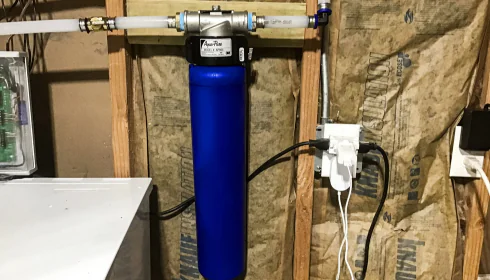
There’s a moment, usually a small one, when you start questioning your water. Not dramatically — no alarms or anything like that — just a quiet realization. Maybe your skin feels dry after a shower. Maybe your kettle keeps collecting that stubborn white scale. Or your laundry just doesn’t feel as soft as it used to.
You brush it off at first. Life moves on.
But the thing with water is… it’s everywhere in your daily routine. And when it’s slightly off, even in ways you can’t fully explain, it tends to show up again and again until you start paying attention.
The Difference You Don’t Notice — Until You Do
Most people assume water is either “fine” or “not fine.” But there’s a whole middle ground — water that’s technically usable but not ideal.
Hard water is a big part of that story. It carries minerals like calcium and magnesium that aren’t harmful, but they do interfere with how water behaves.
Soap doesn’t lather the same. Residue builds up over time. Appliances start to feel the strain.
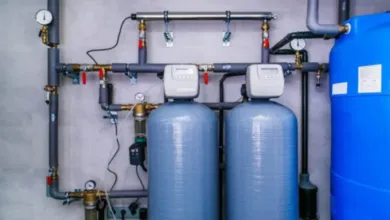
That’s where something like a high efficiency water softener begins to make sense. Not because it’s fancy or advanced, but because it addresses the root of the issue — those excess minerals.
And the “efficiency” part matters more than people think. It means less water waste, less salt usage, and a system that works smarter, not harder.
It’s not about over-engineering your home. It’s about refining something you already use every single day.
When Systems Start Working Together
Here’s something that often gets overlooked — water treatment doesn’t have to be a single solution.
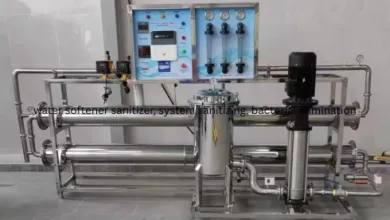
In many homes, it’s actually a combination of approaches that creates the best results. Softening, filtering, purifying — each one handles a different aspect.
That’s where whole home filtration compatibility comes into play. It’s about making sure different systems can work together without conflict, creating a more complete and balanced setup.
Think of it like a team rather than a single player.
One system might remove sediments. Another might soften the water. Together, they create something better than either could on its own.
And the best part? Once it’s set up, you don’t have to think about it constantly. It just runs in the background.
The Everyday Comfort You Didn’t Realize You Were Missing
Let’s talk about the actual experience for a moment.
Because beyond all the technical details, what really matters is how your water feels in daily life.
The soft water benefits aren’t always dramatic, but they’re consistent.
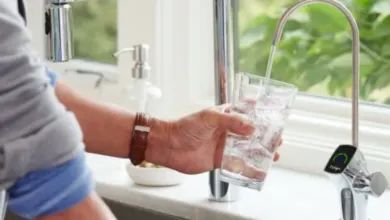
Your skin feels less dry after a shower. Soap rinses off more easily. Your clothes come out softer, without that slightly stiff texture.
Even cleaning becomes easier. Less scrubbing. Fewer spots on dishes. Less effort overall.
It’s not one big change — it’s a collection of small improvements that quietly make your home feel more comfortable.
The Hidden Impact on Your Home
Water doesn’t just affect how things feel — it affects how things last.
Hard water can leave buildup inside pipes, appliances, and fixtures. Over time, that buildup reduces efficiency and increases wear.
Your water heater might take longer to heat. Your washing machine might struggle to perform as well as it once did.
By improving water quality, you’re not just enhancing comfort — you’re protecting your home.
And that protection tends to pay off in ways you don’t immediately notice, but definitely appreciate over time.
Why Many People Wait Too Long
It’s easy to delay thinking about water.
After all, it’s not urgent. There’s no immediate breakdown or emergency. Just small inconveniences that seem manageable.
You clean a little more. Use a bit more detergent. Replace appliances when they wear out.
But once you address the underlying issue, you often realize how much effort you were putting in without even noticing.
And that’s usually when people wish they had looked into it sooner.
Keeping It Practical, Not Complicated
One of the biggest misconceptions about improving water quality is that it requires a complex setup or a deep understanding of technical details.
It doesn’t.
You don’t need to know everything about water chemistry. You just need to recognize what’s affecting your home and choose a solution that addresses it.
Sometimes that’s a single system. Sometimes it’s a combination. The key is to keep it practical.
Start with what you notice. Build from there if needed.
A Subtle Upgrade That Changes Everything
What I find interesting is how quickly people adapt to better water.
At first, you notice the difference. The feel, the ease, the consistency.
But over time, it becomes normal.
And then, when you encounter untreated water again — somewhere else, maybe — you immediately feel the contrast.
That’s when it really hits you.
Coming Back to What Water Should Feel Like
At the end of the day, water shouldn’t feel like a problem you have to solve.
It should be simple. Reliable. Something you trust without thinking twice.
Improving your water isn’t about chasing perfection or adding unnecessary complexity. It’s about removing the small frustrations that quietly build up over time.
Because when your water works the way it should, everything else feels just a little easier.
And sometimes, that’s all you really need.