Blog

  • Leash Reactivity Training Phoenix: Transforming Walks Into Joyful Adventures

    Walking your dog should be one of life’s simple pleasures but for many

    leash reactivity training Phoenix
    leash reactivity training Phoenix

    pet owners in Phoenix, leash reactivity turns every stroll into stress. If your dog lunges, barks, or refuses to walk politely on leash, it’s not just a behavior issue it’s an opportunity. In this guest post, we’ll dive deep into leash reactivity training Phoenix, providing you actionable insights grounded in experience, science, and real results. By the end, you’ll understand what leash reactivity really is, why it happens, and how targeted training can change everything for you and your dog.

    What Is Leash Reactivity?

    Leash reactivity isn’t “bad behavior.” It’s a dog’s emotional response to stressors while on leash often manifesting as barking, lunging, growling, or spinning in circles. These reactions commonly occur around other dogs, people, bikes, or loud noises.

    At its core, leash reactivity is rooted in:

    • Heightened arousal: Your dog’s nervous system is on high alert.
    • Inability to self-regulate while restrained: A leash limits choice and flexibility.
    • Frustration or fear responses: What looks like aggression can be anxiety.

    For dog guardians in Phoenix, environmental factors like busy sidewalks, dense dog parks, and unpredictable foot traffic can make reactive responses more frequent. But reactivity doesn’t have to be permanent.

    Why Leash Reactivity Happens

    Understanding the why behind leash reactivity empowers you to train with purpose.

    1. Lack of Alternative Coping Skills

    Many dogs haven’t learned effective ways to manage excitement, fear, or curiosity.

    2. Poor Foundation in Early Socialization

    Without structured positive experiences with people, dogs, or other animals, unfamiliar stimuli trigger stress responses.

    3. Reinforcement of the Reactivity Loop

    When a dog reacts and the trigger goes away either because you pull them away or they scare it off they learn that reactivity “works.”

    4. Environmental Stressors

    Phoenix’s heat, crowded parks, and urban landscape can raise baseline arousal levels in dogs, making triggers harder to ignore.

    Why Professional Leash Reactivity Training Phoenix Works

    Local dog trainers with leash reactivity expertise don’t just teach commands they reshape the dog’s emotional experience of the world.

    Here’s why structured training is effective:

    • Tailored plans: Each dog’s history, temperament, and triggers are unique.
    • Positive reinforcement focus: Rewards build confidence and motivation.
    • Behavior modification techniques: Trainers address the root cause, not just symptoms.
    • Owner coaching: You learn how to read canine body language and respond calmly.

    At Rob’s Dog Training, we leverage techniques rooted in learning science and years of observation to help dogs thrive even in challenging environments.

    The Training Framework: Step-by-Step

    Below is a structured approach to mastering leash reactivity. These are the same steps we use with our clients in Phoenix.

    Step 1 Identify Specific Triggers

    Before training begins, it’s crucial to understand:

    • What stimuli trigger reactivity (other dogs, bikes, people)
    • At what distance the reaction begins
    • The dog’s emotional state leading up to the response

    Pro Tip: Keep a trigger journal with photos or notes during walks.

    Step 2 Teach Foundational Skills

    Before confronting triggers, your dog must understand:

    Focus & Attention

    Teaching your dog to look at you on cue (e.g., “Watch Me”) builds cognitive engagement.

    Calm Loose-Leash Walking

    Reward small steps toward relaxed walking before dialling up difficulty.

    Confidence-Building Games

    Simple games like targeting and shape recognition reduce anxiety.

    Step 3 Controlled Exposure (Desensitization)

    Rather than full confrontation, you gradually expose your dog to triggers at tolerable distances.

    How it works:

    1. Observe the trigger from afar
    2. As long as your dog remains calm, reward them
    3. Gradually decrease distance over sessions

    This teaches the dog: “Triggers predict good things.”

    Step 4 Counterconditioning (Emotional Reframing)

    While desensitization addresses distance, counterconditioning changes emotion.

    • Before reacting, your dog receives high-value rewards (like diced chicken or hot dogs)
    • Over time, the dog begins associating triggers with positive outcomes

    Step 5 Real-World Practice & Generalization

    Once your dog is comfortable in controlled settings, you advance to real-world practice:

    • Busier parks
    • Sidewalks
    • Neighborhood strolls

    Training in varied settings ensures responses generalize beyond controlled training.

    Common Mistakes Dog Owners Make (and How to Fix Them)

    Even the most well-meaning owners can unintentionally reinforce reactive behaviors. Here are common pitfalls:

    Trying to Punish Reactivity

    Pain, leash corrections, or shouting increase anxiety and worsen reactivity.

    Fix: Use rewards and calm leadership to shape behavior.

    Inconsistent Training

    Skipping sessions confuses your dog and slows progress.

    Fix: Short, daily consistent practice beats occasional marathon sessions.

    Ignoring Body Language

    Growling, lip-licking, and stiff posture are cues before escalation.

    Fix: Learn canine language it’s your roadmap to progress.

    The Role of the Handler

    Effective leash reactivity training isn’t just about the dog it’s about you.

    As a handler, you’ll learn to:

    • Stay calm and present
    • Respond strategically, not emotionally
    • Use cues, timing, and rewards effectively
    • Set up walks for success

    Your mindset influences your dog’s emotional state. Training is as much about confidence and leadership as it is about technique.

    Tools That Support Leash Reactivity Training

    While tools don’t fix behavior, the right equipment makes training safer and more effective.

    Recommended:

    • Front‑clip harnesses offer gentle redirection
    • Head halters effective when fitted comfortably
    • Treat pouches keep rewards accessible
    • Long lines allow safe distance control during desensitization

    Choose tools that prioritize comfort and control not punishment.

    How Rob’s Dog Training Approaches Leash Reactivity in Phoenix

    At Rob’s Dog Training, our approach centers on active learning and emotional balance. We don’t believe in one-size-fits-all solutions. Instead, we tailor every leash reactivity training Phoenix plan based on:

    Individual Profiling

    Understanding each dog’s unique triggers, history, and learning style.

    Progressive Skill Building

    Starting with foundational skills before increasing challenge levels.

    Ongoing Support for Owners

    Training is a partnership. We teach you how to read your dog and respond confidently.

    Field Training

    From quiet training fields to busy Phoenix streets, we guide you through real-world situations.

    FAQs About Leash Reactivity Training Phoenix

    Q: Can leash reactivity be fully “cured”?
    A: While every dog’s journey is different, most dogs improve dramatically with structured training and guidance.

    Q: How long does training usually take?
    A: Training timelines vary. Many dogs show improvement within 4–8 weeks with consistent practice.

    Q: Is medication ever necessary?
    A: In some high‑anxiety cases, a vet may recommend supplementary support but training remains crucial.

    Your Next Steps to Walks You Enjoy

    If leash reactivity has taken the joy out of your dog’s walks, know this: change is possible. With the right strategies, consistency, and support, you’ll see real progress.

    Start with small, manageable sessions
    Track triggers and reactions
    Partner with a professional for personalized guidance
    Celebrate every win big or small

    Ready to Transform Your Walks?

    For dog owners searching for leash reactivity training Phoenix, Rob’s Dog Training offers expert guidance rooted in science, compassion, and real results. Whether you’re struggling with initial reactions or seeking next‑level progress, we’re here to help.

    Visit us at 4204 E Indian School Rd, Phoenix, AZ 85018
    Learn more at https://robsdogs.com/
    Contact us for a consultation and let’s turn frustration into confidence one walk at a time.

     

  • SEO for New Zealand E-commerce Brands: Competing with Australian and Global Giants Organically

    SEO for New Zealand E-commerce Brands: Competing with Australian and Global Giants Organically

    New Zealand’s e-commerce market has a fundamental structural challenge that every NZ online retailer eventually has to reckon with: most of the credible, well-funded competition for the search queries that matter isn’t from other New Zealand businesses — it’s from Australian e-commerce brands and global giants who rank in the NZ Google results without having invested specifically in the NZ market.

    This is both the challenge and the opportunity. Australian brands rank in NZ search because of their domain authority, not because they’ve built NZ-specific content or optimised specifically for NZ search behaviour. That gap — the space between what the large players do and what genuinely NZ-specific, locally-relevant content would do — is where smart NZ e-commerce brands can build meaningful organic visibility.

    Understanding the Competitive Landscape

    When you run competitive analysis for most product categories in Google New Zealand, you’ll find a predictable pattern. The top few organic positions are occupied by Australian marketplaces and global platforms — Catch, ASOS, Amazon (where relevant), and category-specific large players. Beneath them, a mix of NZ-specific and Australian brands compete for the remaining positions.

    The authority advantage of large Australian and global players in NZ search is real. It doesn’t disappear. But it has limits that a well-executed NZ-specific SEO strategy can exploit.

    Large platforms optimise for broad category terms. They don’t build content specifically addressing NZ buyer concerns — GST implications, NZ-specific product standards, shipping timelines to NZ locations, availability through NZ payment methods. They don’t create content calibrated to NZ seasonal patterns (summer in December, ski season considerations, NZ public holiday shopping patterns). And they typically don’t earn links from NZ media properties — Stuff, NZ Herald, Newshub, regional outlets — that carry specifically NZ-relevant authority signals.

    Each of these gaps is an opportunity for NZ e-commerce brands with the strategic focus to exploit them.

    The NZ-Specific Content Advantage

    The content strategy that produces the strongest sustainable organic advantage for NZ e-commerce brands is one that builds genuine topical authority in a specific product category from an explicitly NZ perspective.

    This means content that addresses NZ-specific buyer considerations — not just generic product information that could have been written anywhere. For outdoor gear retailers: content about specific NZ tramping tracks, Department of Conservation requirements, NZ weather patterns that affect gear selection. For homewares retailers: content referencing NZ design trends, NZ craftspeople and suppliers, NZ interior design contexts. For pet food brands: NZ-specific regulatory information, NZ vet recommendations, NZ pet lifestyle contexts.

    This kind of content can’t be produced by an Australian brand or a global platform at scale — the specific NZ knowledge required makes it genuinely difficult to replicate without actual NZ expertise. That’s what makes it a sustainable competitive moat rather than a temporary advantage.

    Seo services new zealand that include this kind of NZ-specific content strategy development — understanding which NZ-specific angles create genuine competitive advantage in each category — produce meaningfully better results than generic content programmes applied to a NZ domain.

    The Trans-Tasman SEO Question

    Many NZ e-commerce brands also sell into Australia, or aspire to. The international SEO question — how to optimise for both markets — is worth addressing specifically.

    Separate hreflang implementation for .co.nz and .com.au domains (or NZ and AU subdirectories on a single domain) is the technical foundation. Without this, Google can serve NZ-optimised content to Australian searchers or vice versa, reducing effectiveness in both markets.

    Content strategy should be genuinely market-specific rather than applying a “global English” approach. The terminology differences between NZ and Australian English, the regulatory differences, and the market-specific buyer concerns are real enough that attempting to serve both markets with identical content produces inferior results in both.

    Link building for the Australian market requires Australian editorial relationships, which are separate from NZ relationships. The investment to build meaningful authority in both markets is substantial enough that most NZ brands should focus on dominating NZ organic search first, then expanding Australian investment as resources allow.

    Technical Considerations for NZ E-commerce

    Hosting and CDN geography matters for NZ e-commerce brands even more than for Australian ones, because NZ’s distance from global infrastructure creates more significant latency without local edge caching.

    New Zealand-optimised CDN configurations — prioritising Asia-Pacific edge nodes, particularly Australian points of presence — can meaningfully reduce page load times for NZ users. Core Web Vitals improvements from faster load times directly support rankings and produce measurable conversion rate improvements.

    The NZ e-commerce platform landscape is dominated by Shopify, with WooCommerce having significant presence. Both platforms have NZ-specific considerations around GST configuration, NZ payment gateway integration, and NZ-specific shipping configuration — all of which can create technical SEO issues if not properly implemented.

    Building NZ-Specific Authority Through Links

    The NZ media and publishing landscape is smaller but coherent, and earning links from NZ-specific authoritative sources produces genuine local authority signals.

    Stuff.co.nz, NZHerald.co.nz, and Newshub carry strong domain authority and are genuinely achievable for NZ brands with real news to share — product launches, sustainability initiatives, local economic impact stories, genuinely interesting founder narratives.

    Beneath the nationals, vertical NZ media — NZ retail industry publications, sector-specific NZ publications, NZ business media — are more accessible and their links carry contextually specific relevance for NZ e-commerce operations.

    The NZ business community is highly networked and relationship-driven in ways that make organic partnership and collaboration link building more effective than cold outreach. Industry associations, Business NZ, regional chambers of commerce, and vertical industry bodies all represent link opportunities through genuine participation rather than transactional link acquisition.

    Seo company new zealand operations with genuine NZ editorial relationships and NZ market expertise produce link profiles that are both more achievable for NZ brands and more effective in NZ search than internationally-focused link building approaches applied to NZ domains.

    The Realistic Path Forward

    For most NZ e-commerce brands, the organic search opportunity is genuinely significant and genuinely accessible with appropriate strategy and sustained investment.

    The brands that are winning NZ organic search right now are the ones that focused specifically on the NZ market opportunity — building NZ-specific content depth, earning NZ editorial links, and optimising technically for NZ user performance — rather than trying to compete globally from the start.

    That focused, market-specific approach is available to brands starting today. The window is open. The question is whether you’re willing to invest the time and resource to walk through it.


  • A Practical Guide to Loan Settlement: What You Need to Know Before Taking the Step

    A Practical Guide to Loan Settlement: What You Need to Know Before Taking the Step


    Managing loans can feel overwhelming, especially when repayments start slipping out of control. Life happens—unexpected expenses, job changes, or business slowdowns—and suddenly, paying EMIs becomes a struggle. In such situations, business loan settlement process often comes up as an option. But what does it really involve, and is it the right move for you? Let’s walk through it in a simple, realistic way.

    Understanding Loan Settlement

    Loan settlement is essentially an agreement between a borrower and a lender where the borrower pays a reduced amount to close the loan. This typically happens when the borrower is unable to repay the full outstanding amount. Instead of pursuing legal action or continuing to chase repayments, the lender agrees to accept a partial payment and mark the loan as “settled.”

    Sounds helpful, right? It can be—but there are trade-offs that many people overlook.

    How the business loan settlement process Works

    For business owners, loan settlement is often tied to cash flow issues. Maybe the business didn’t perform as expected, or market conditions changed. In such cases, lenders may be open to negotiation.

    The process usually starts when the borrower informs the bank or financial institution about their inability to repay. This is followed by a review of financial documents—bank statements, profit and loss reports, and outstanding liabilities.

    Once the lender verifies the situation, negotiations begin. The lender may offer a one-time settlement amount that is lower than the total due. If both parties agree, the borrower pays the settled amount, often in a lump sum.

    However, here’s the catch: the loan status will be marked as “settled” instead of “closed,” which can affect future borrowing. Banks may see this as a sign of risk.

    Steps in the personal loan settlement process

    Personal loans are unsecured, meaning they don’t require collateral. Because of this, lenders are more cautious, but they still offer settlement options in genuine hardship cases.

    The process starts similarly—missed EMIs or financial distress leads to communication with the lender. It’s important to be honest and transparent here. Avoiding calls or ignoring notices only makes things worse.

    After reviewing your repayment history and financial condition, the lender may propose a settlement amount. This is usually lower than the total outstanding balance but must be paid within a specific timeframe.

    Once paid, you’ll receive a personal loan settlement process etter confirming that the loan is resolved. Keep this document safe—it’s proof that you’ve cleared the debt, even if partially.

    Pros and Cons You Shouldn’t Ignore

    Loan settlement can offer immediate relief, especially when there’s no other way out. It helps you avoid legal trouble, reduces stress, and allows you to move forward financially.

    But there’s a downside. Your credit score takes a hit. Future lenders may hesitate to approve your loan applications, or they may offer higher interest rates. In some cases, it can take years to rebuild your credit profile.

    So while settlement solves a short-term problem, it can create long-term limitations.

    Smart Tips Before Choosing Settlement

    Before jumping into settlement, explore all possible alternatives. Can you restructure the loan? Request a moratorium? Extend the tenure? Sometimes, lenders are willing to adjust terms rather than settle.

    If settlement is the only option, negotiate wisely. Don’t accept the first offer. Try to reduce the amount as much as possible and ensure all terms are documented clearly.

    Also, avoid dealing with unauthorized agents who promise unrealistic deals. Always communicate directly with your lender or verified representatives.

    Final Thoughts

    Loan settlement isn’t a shortcut—it’s more like a last resort. It can provide breathing space when things get tough, but it comes with consequences that shouldn’t be ignored.

    If you’re considering it, take a step back, evaluate your situation, and make an informed decision. Financial recovery is possible, but it works best when handled with clarity and patience.

  • Car Accident Lawyer in Queens Shares Local Tips for Avoiding Legal Pitfalls

    Car Accident Lawyer in Queens Shares Local Tips for Avoiding Legal Pitfalls

    Car accidents can turn out to be quite chaotic, stressful, and emotionally draining in Queens or anywhere else across NYC. It’s easy to make decisions that could hurt your claim without you even realizing it, especially between honking horns, heavy traffic, and calls from insurance adjusters. Many drivers unknowingly take actions that reduce settlements or delay compensation. Guidance from an experienced car accident lawyer Queens NY residents trust can make a huge difference. Understanding common mistakes and local legal rules can save time, money, and unnecessary stress.

    Step 1: Prioritize Medical Care and Document Injuries

    Perhaps the greatest mistake drivers make is thinking that minor accidents result in minor injuries. Adrenaline can conceal whiplash, soft tissue injuries, or concussions, which may not appear until hours or even days later. A fender bender on Northern Boulevard or Main Street can result in undiagnosed injuries.

    Under New York’s no-fault insurance system (Personal Injury Protection, or PIP), your medical bills and lost wages are covered if you get care promptly. Waiting to seek treatment can give insurers a reason to challenge your claim or lower your settlement. 

    Pro Tip: Get evaluated by a doctor immediately, even if you feel fine. Keep all medical records, prescriptions, and therapy notes. Early documentation protects both your health and your legal claim and ensures that insurers cannot question the origin or severity of your injuries.

    In busy Queens intersections like Roosevelt Avenue or the Long Island Expressway, even minor impacts can result in soft tissue injuries or concussions that worsen over time. Proper medical records can make the difference between a denied claim and a full settlement.

    Step 2: File DMV Reports and Collect Scene Evidence

    In New York, if there is injury, death, or property damage of over $1,000, you have to file Form MV-104 with the DMV within 10 days. Some people think that a police report is enough, which is not true. If you do not file a report, you could face a fine, have your license suspended, and have insurance problems.

    Documenting the accident scene is equally critical. Take clear photos of vehicles, road conditions, skid marks, street signs, and any visible injuries. Collect witness names and contact information immediately. Write down your own recollection of the accident while the details are fresh.

    Pro Tip: A short video of the scene can record the different angles and conditions that may not be evident through the use of photographs. Documentation can create a clear and undeniable record to support your claim, which can help speedily settle the negotiations.

    Busy Queens streets, such as Queens Boulevard and Roosevelt Avenue, can have complicated traffic patterns. Proper documentation and prompt reporting prevent insurers from stating that late reporting or a lack of proof indicates negligence.

    Step 3: Communicate Carefully With Insurance and Understand Your Claim

    Insurance adjusters may be very helpful, but they have a job to do, which is to pay out as little as possible. One of the biggest mistakes is the tendency to give recorded statements or settle cases too quickly without fully understanding the future consequences of the injuries.

    Pain and suffering in New York is only compensable if your injuries meet the serious injury threshold under Insurance Law §5102(d). Settling too early may leave you undercompensated if injuries worsen, require ongoing therapy, or result in lost wages.

    A strong claim includes:

    • Current and future medical expenses
    • Lost income and reduced earning capacity
    • Pain and suffering
    • Emotional distress

    Clients who work with a car accident lawyer in NYC often see more favorable settlements than initial offers when communications with insurers are handled professionally. Experienced legal guidance ensures that claims reflect the full value of damages and help avoid common pitfalls that insurers may exploit.

    Step 4: Avoid Legal Pitfalls and Mind Timing

    Many drivers unintentionally weaken their claims by admitting fault at the scene. Under New York’s comparative negligence rules, even partial fault reduces compensation. 

    Other common mistakes include:

    • Failing to file a DMV accident report within 10 days
    • Delaying notification to your insurance company
    • Ignoring long-term medical needs or therapy plans in your claim

    Timing is also critical. Personal injury claims in New York generally must be filed within three years, but cases involving government vehicles may have deadlines as short as 90 days. Rushing a settlement can result in missed compensation for ongoing treatment, while waiting too long can jeopardize your claim entirely.

    Strategic action, combined with professional guidance, ensures all deadlines are met, evidence is preserved, and the claim fully accounts for current and future losses.

    Conclusion 

    Maximizing your settlement requires preparation, careful documentation, and a proactive partnership with the best car accident lawyer in NYC. Get medical care quickly, file required reports, document the scene thoroughly, and communicate strategically with insurers. Understanding local rules and legal protections ensures your claim is strong and fair.

    Your involvement matters. Attend appointments, provide requested records promptly, and respond quickly to your lawyer. A cooperative client allows a lawyer to negotiate efficiently, respond to insurers effectively, and maximize the settlement. Car accidents are unsettling, but informed, timely action restores control. In Queens, preparation and proactive steps aren’t just about legal strategy; they protect your health, finances, and peace of mind. Being prepared after a crash ensures you recover what you deserve while minimizing stress during a difficult time.

  • How Are Lost Wages Calculated After an NYC Car Accident? Insights from Accident Lawyer New York

    How Are Lost Wages Calculated After an NYC Car Accident? Insights from Accident Lawyer New York

    When you are hurt by a car accident, losing the ability to work and earn is one of the most serious consequences. Fortunately, there are mechanisms in place that allow you to recover the wages you’ve lost. However, calculating the losses you’ve suffered is not always straightforward, especially when you factor in things like overtime and bonus. In this post, the team at Gabriel Law will wear the hat of an accident lawyer in New York and explain how lost wages are calculated and why you will need legal assistance to achieve a full and fair settlement.

    Compensation for lost wages under insurance 

    In New York, when you are injured in a car accident, your insurance coverage is your first source of compensation. Your Personal Injury Protection (PIP) coverage covers your medical expenses, lost wages, and other connected expenses. 

    Under your PIP coverage, you can claim up to 80% of lost wages, with a cap of $2000 per month for a period of three years. Salary, overtime, sick pay, vacation days, and commissions are all covered under the insurance policy. The base PIP policy can cover up to $50,000, but this cap can be increased by purchasing optional additional coverage.

    Since your PIP coverage is no-fault insurance, the injured person will receive the compensation, regardless of their fault in the accident.

    Compensation for lost wages under lawsuits 

    If the insurance policy is not enough to cover all your lost wages, you will need to step outside the no-fault system and file a personal injury lawsuit. You will be allowed to file a lawsuit if you can show that you have suffered a “serious injury” or the basic economic damage suffered exceeds $50,000. 

    What counts as a “serious injury” is defined in Section 5102 (d) of New York Insurance Law and includes injuries such as death, significant disfigurement, the loss of a body part, the permanent loss of a bodily function, or when an injury prevents you from engaging in daily tasks and activities for at least 90 days within the first 180 days after the accident (90/180-day rule).

    Calculating short-term lost wages 

    For individuals who can return to work after a short period of recovery, calculating lost wages is quite straightforward. It’s a matter of determining how much you would have earned for the time you were away from work. When calculating the amount, the typical considerations are:

    • Basic salary or hourly wage – By identifying how much you earn for an hour or a day, the amount can be multiplied by the hours or days you missed work. 
    • Bonuses and overtime – includes bonuses, commissions, and overtime pay you earned on a regular basis before the accident. 
    • Perks and other benefits – your employer’s contribution to your health insurance, retirement plan, and other benefits that come as part of your employment status.

    Calculating future lost wages and loss of earning capacity

    If injuries lead to permanent or long-term disabilities that prevent you from returning to work, then calculating future lost wages and loss of earning potential can become complex. Some of the relevant considerations include:

    • Age and life expectancy – Younger victims can face decades of lost income, making them entitled to more compensation. 
    • Education and skill level – the injury could make it difficult to continue work that is physically demanding or requires a highly specialized skill.
    • Severity of the injury – The more severe the injury, the more compensation a person is entitled to receive. 
    • Wage trajectory – If the victim was on track to receive a promotion or increase their earnings, the final damages assessment can reflect the future increases.

    For example, A is a construction worker and is the main source of income for his family. However, due to an accident, he has suffered nerve damage and lost several fingers. This prevents him from returning to work, and even if he does return to work, he would be unable to work at the same level. The inability to work can significantly reduce his earning potential and the ability to be promoted. In such a situation, a person can be entitled to significant compensation based on the factors mentioned above.

    Conclusion

    When you have been injured in a car accident, the inability to return to work can be a significant financial burden on you and your family. That is why it is important that any settlement accurately reflects and compensates you for your lost wages. To make sure that this is the case, you need to hire an experienced New York City auto accident attorney. 

    If you’re looking for any skilled and experienced team of attorneys that can help you get the compensation you deserve, then Gabriel Law is the personal injury law firm in NYC for you. If you’re ready to get started on the path to recovery, contact us today and schedule your free consultation.


  • Exploring Kolkata on Wheels: A Practical Guide to Comfortable and Flexible Travel

    Tempo Traveller in Kolkata
    Tempo Traveller in Kolkata

    Kolkata has a rhythm of its own. It’s not just a city—it’s a feeling. From the colonial charm of Victoria Memorial to the spiritual calm of Dakshineswar Kali Temple, every corner has a story waiting to be discovered. But here’s the thing—getting around comfortably can make or break your experience. That’s where modern travel options like Car rental Kolkata  services come into play, giving you the flexibility to explore the city at your own pace.

    Why Renting a Car Makes Sense in Kolkata


    Let’s be honest—public transport in Kolkata is rich in character but not always the most convenient. Trams are charming, buses are affordable, but neither offers the comfort or flexibility you might need, especially if you’re traveling with family or on a tight schedule.

    With a rental car, you skip the hassle of waiting, bargaining, or adjusting to fixed routes. Whether you’re heading to Howrah Bridge for a quick visit or planning a full-day tour, having your own vehicle changes everything. You get privacy, air-conditioned comfort, and the ability to stop wherever you feel like—because sometimes the best moments are unplanned.

    Ideal for Families and Group Travel


    Now, if you’re traveling with a group—say, extended family, friends, or even colleagues—regular cars may not cut it. This is where Tempo Traveller Kolkata options become incredibly useful. These spacious vehicles are designed to accommodate larger groups without compromising comfort.

    Imagine heading out for a day trip to Science City Kolkata or planning a weekend getaway. Everyone stays together, luggage fits easily, and there’s no need to split into multiple vehicles. It’s efficient, economical, and honestly, a lot more fun when the whole group travels together.

    Comfort Meets Convenience


    Choosing a Tempo Traveller in Kolkata isn’t just about space—it’s about upgrading your travel experience. Most of these vehicles come with reclining seats, air conditioning, ample legroom, and sometimes even entertainment systems. Long drives suddenly feel shorter, and city tours become far more enjoyable.

    For tourists visiting from outside or even locals planning special occasions—like weddings, corporate outings, or pilgrimage trips—this option brings both practicality and comfort to the table. No one has to worry about navigation, parking, or traffic stress when you have a professional driver handling it all.

    When Should You Consider Rental Services?

    There’s no fixed rule, but certain situations clearly call for a rental vehicle:

    • Airport pickups and drop-offs
    • City sightseeing tours
    • Wedding transportation arrangements
    • Corporate travel and events
    • Weekend trips outside Kolkata

    In all these cases, renting a car or a tempo traveller simplifies logistics. It also gives a more organized and premium feel to your travel plans.

    Tips for Choosing the Right Service

    Not all rental services are created equal. Before booking, keep a few practical things in mind:

    • Check customer reviews and ratings
    • Compare pricing but don’t chase the cheapest option blindly
    • Confirm what’s included—fuel, driver allowance, tolls
    • Inspect vehicle condition if possible
    • Ask about cancellation policies

    A little homework upfront can save you from unnecessary stress later.

    Final Thoughts

    Kolkata is a city best explored without rush. It invites you to slow down, soak in the culture, and discover hidden gems. But to do that comfortably, your mode of transport matters more than you might think.

    Whether you’re a solo traveler looking for convenience or a group seeking a shared experience, renting a vehicle offers a practical solution. It blends flexibility, comfort, and efficiency—three things every traveler quietly hopes for.

    So next time you plan a visit to Kolkata, don’t just think about where to go—think about how you’ll get there. Because sometimes, the journey itself becomes the highlight.

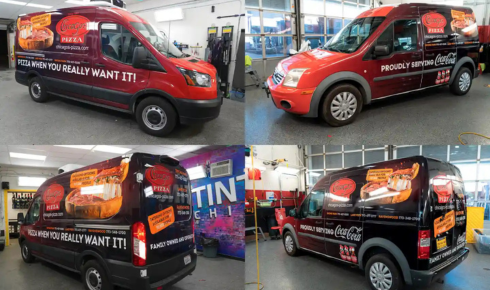
  • Turning Everyday Vehicles into Moving Stories: A Fresh Look at Modern Branding on Wheels

    Turning Everyday Vehicles into Moving Stories: A Fresh Look at Modern Branding on Wheels

    There’s something oddly satisfying about spotting a beautifully designed vehicle on the road. You could be stuck in traffic, half-distracted, and suddenly a van passes by with colors that pop, messaging that sticks, and a design that feels… intentional. It doesn’t scream for attention—it just earns it. That’s the quiet power of branding done right, especially when it’s on something as mobile and visible as a vehicle.

    For businesses, vehicles are no longer just for transport. They’ve become extensions of identity, moving billboards that don’t just advertise—they tell a story. And honestly, in a world where people scroll past ads without a second thought, that kind of real-world presence feels almost refreshing.

    The Road as a Canvas

    Let’s start with the basics—vehicles are everywhere. Cities, highways, small towns, parking lots outside your local grocery store. Unlike digital ads that rely on algorithms, vehicles naturally reach people. They don’t need targeting. They’re just… there.

    That’s where custom vehicle wraps come into play. Instead of leaving your company van plain or forgettable, a well-designed wrap transforms it into something memorable. It’s not just about slapping a logo on the side. It’s about using color, typography, and layout in a way that feels cohesive with your brand’s personality.

    Think about it—would you remember a white van with tiny text on the door? Probably not. But a vehicle with bold visuals and a clear message? That lingers. Even if you don’t consciously register it, it sticks somewhere in your mind. And over time, those impressions add up.

    Why Movement Changes Everything

    Static ads have their place, sure. Billboards, posters, even online banners—they all contribute. But movement adds a different layer. When branding is in motion, it feels alive.

    A vehicle parked outside a busy café might be seen by hundreds in a day. That same vehicle driving through neighborhoods? Thousands. It’s exposure that builds quietly, without the pressure of forced attention.

    There’s also a trust factor. When people see branded vehicles regularly, it signals legitimacy. It tells them, “This business is active, present, and real.” That matters more than we sometimes realize.

    Consistency Across Multiple Vehicles

    Now imagine not just one vehicle—but an entire lineup. Vans, trucks, maybe even smaller service cars—all carrying the same visual language. That’s where things start to feel powerful.

    With fleet graphics, businesses can maintain a consistent identity across multiple vehicles. It’s not just about scale—it’s about cohesion. When every vehicle looks like part of the same story, the brand becomes instantly recognizable.

    You’ve probably seen this without thinking about it. A delivery company, for example, where every vehicle looks identical. You don’t need to read the name—you already know who they are. That’s the kind of recognition brands spend years trying to build.

    And the best part? It doesn’t feel intrusive. It feels natural, almost like a familiar presence in your daily environment.

    Design Matters More Than You Think

    Here’s the thing—not all vehicle branding works. Some designs try too hard. Too many colors, too much text, no clear focus. It becomes visual noise, and people tune it out instantly.

    Good design, on the other hand, feels effortless. It guides the eye. It communicates quickly—because let’s be honest, most people only get a few seconds to see it.

    There’s a bit of psychology involved too. Colors evoke emotions. Fonts suggest tone. Even spacing plays a role in how information is perceived. A cluttered design can make a business seem unprofessional, while a clean, well-thought-out layout builds trust without saying a word.

    Beyond Advertising: Building Identity

    What’s interesting is that vehicle branding isn’t just about getting new customers. It also reinforces identity for existing ones.

    When customers see your branded vehicle arrive, it creates a sense of familiarity. It reassures them they’re dealing with the same business they recognize. That consistency builds comfort—and over time, loyalty.

    This is where branding solutions become more than just a marketing tactic. They become part of how a business presents itself to the world. It’s not about being flashy—it’s about being consistent, recognizable, and genuine.

    Durability and Practical Benefits

    There’s also a practical side to all this. Vehicle wraps aren’t just about looks—they protect the original paint underneath. That means when it’s time to sell or upgrade the vehicle, it’s often in better condition.

    And compared to ongoing advertising costs, wraps are surprisingly cost-effective. You pay once, and the vehicle continues to promote your business for years. No monthly fees, no ad spend fluctuations. Just consistent visibility.

    Of course, quality matters. A poorly installed wrap can peel or fade, which does more harm than good. But when done right, it holds up beautifully—even in tough weather conditions.

    A Subtle but Lasting Impact

    What I find most fascinating is how subtle this form of marketing can be. It doesn’t interrupt. It doesn’t demand attention. It simply exists in the background of everyday life.

    And yet, it works.

    People might not remember where they saw your brand. Maybe it was in traffic, maybe parked near their office. But when they need your service, something clicks. A sense of familiarity. A name that feels known.

    That’s not coincidence—that’s repetition, done naturally.

    Closing Thoughts

    In a world crowded with digital noise, there’s something grounding about real-world branding. Something tangible. Vehicles, in their own quiet way, offer that opportunity.

    They move, they’re seen, and they carry your story wherever they go.

    It’s not about being everywhere—it’s about being remembered. And sometimes, all it takes is a well-designed vehicle passing by at just the right moment.

  • Мотоцикл Yamaha из Японии – спокойный выбор без суеты

    Мотоцикл Yamaha из Японии
    Мотоцикл Yamaha из Японии


    У каждого крупного бренда есть свой характер, который чувствуется уже не по логотипу, а по тому, как техника ведёт себя в обычной жизни. Мотоцикл Yamaha из Японии для многих ассоциируется с понятной механикой, живым мотором и очень точным ощущением баланса между азартом и повседневной удобностью. Это не та марка, которую выбирают только за репутацию. Её обычно выбирают за то, что она умеет быть разной, не теряя внутренней собранности. У одних Yamaha ассоциируется с городским ритмом и лёгким рулением, у других – с дальняком, у третьих — с аккуратной спортивностью без нервозности, которая быстро утомляет.


    Интерес к японскому рынку в случае с Yamaha объясняется довольно просто. Эта марка глубоко укоренена в собственной среде, а значит, именно там особенно велик шанс найти технику в логичном, не измученном состоянии. Японская эксплуатация, сервисная дисциплина, внимательное отношение к технике и широкий выбор моделей создают для покупателя редкую ситуацию. Можно не соглашаться на первый попавшийся вариант, а искать именно тот мотоцикл, который подходит под ваш ритм, ваш рост, ваш опыт и ваши планы на несколько сезонов вперёд.


    Почему Yamaha так хорошо считывается на дороге


    Есть марки, которые стараются удивить сразу. Yamaha в большинстве случаев действует тоньше. Она редко давит на владельца избыточным характером и не заставляет постоянно помнить, что вы едете на «особенной» технике. Её сильная сторона – естественность. Даже там, где мотор резвый, а шасси настроено на активную езду, всё это не превращается в тяжёлый разговор между мотоциклом и человеком. Байк не спорит с вами на каждом километре. Он, скорее, быстро даёт понять, чего от него ждать, и дальше работает в заданной логике.


    Именно поэтому у Yamaha так много преданных владельцев. Они ценят не только скорость или внешний вид, а то, что техника не требует каждую поездку превращать в экзамен. Хороший мотоцикл в повседневности – это тот, о котором вспоминаешь не потому, что он снова подкинул проблему, а потому, что на нём просто приятно ехать. В случае с Yamaha это ощущение возникает часто. Не случайно многие, попробовав один удачный аппарат марки, потом долго остаются внутри этой экосистемы.


    Что делает японский рынок особенно удобным для Yamaha


    Покупка мотоцикла на японском рынке — это не только история про происхождение, но и про качество исходной информации. В случае с Yamaha это особенно полезно, потому что моделей и поколений много, а разброс характеров внутри марки очень широкий. Одно дело – лёгкий городской MT, другое – туристический Tracer, третье – более классическая XSR, четвёртое – спортбайк, который уже требует совсем другого разговора. Когда есть возможность выбирать не из двух-трёх вариантов, а из целого массива предложений, шанс на осознанную покупку заметно растёт.


    Кроме того, Yamaha в Японии – часть привычной мотосреды, а не экзотика. Это важно по простой причине. Там проще встретить мотоцикл, который обслуживали как обычную, нормальную технику, а не как объект бесконечных переделок. Конечно, тюнинг и сомнительные вмешательства встречаются везде, но именно на японском рынке больше шансов найти байк, который сохранил заводскую логику и не превратился в компромисс между фантазией владельца и возможностями гаражного сервиса.


    Какие Yamaha особенно часто оказываются в фокусе


    Сильная сторона марки в том, что она умеет закрывать очень разные потребности. Одни приходят за MT-серией, потому что хотят лёгкий, бодрый и удобный городской мотоцикл. Другие смотрят на Tracer, если нужен аппарат для длинных маршрутов и живой, но не утомительной езды. Третьим ближе XSR, где механическая внятность сочетается с более спокойной стилистикой. Есть и те, кто выбирает Yamaha за спортивную составляющую, но даже здесь марка остаётся узнаваемой — в ней обычно меньше показной истерики и больше ощущения точной настройки.


    На японском рынке эта широта особенно удобна. Можно искать не просто «что-то от Yamaha», а конкретный характер. Более резкий или более мягкий. Более туристический или более городской. Более свежий по электронике или более простой по конструкции. Для покупателя это значит, что выбор идёт не по абстрактной любви к бренду, а по реальному совпадению техники с жизнью. А это всегда надёжнее, чем покупка «на эмоции».


    Почему доверие к марке не должно подменять проверку


    У Yamaha есть опасная сторона репутации. Её техника так прочно ассоциируется с надёжностью, что часть покупателей начинает расслабляться. Кажется, будто если байк родом из Японии и на баке нужный логотип, то всё остальное уже вторично. На практике это прямой путь к разочарованию. Уставшая подвеска, следы падений, неудачный тюнинг, странная работа коробки, небрежное отношение к электрике – всё это встречается и у Yamaha. Бренд не отменяет биографию конкретного экземпляра.


    Поэтому и здесь нужна обычная дисциплина. Смотреть на мотоцикл как на набор реальных признаков. Сопоставлять пробег и состояние. Проверять фотографии узлов, а не только общий ракурс. Обращать внимание на логику износа, на следы вмешательств, на то, насколько вообще правдоподобна история этой техники. Yamaha хороша тем, что часто даёт шанс найти действительно внятный экземпляр. Но этот шанс работает только для того, кто не ленится задавать лишние вопросы.


    Что особенно важно при выборе Yamaha


    С Yamaha полезно начинать с самого честного вопроса – зачем вам именно этот мотоцикл. Если нужен городской ритм, не стоит брать байк, который красив на трассе, но тяжёл и утомителен в повседневности. Если впереди длинные маршруты, не стоит очаровываться лёгкостью модели, которая через три часа пути начнёт выматывать посадкой и ветрозащитой. Если хочется бодрого мотора, нужно понимать, насколько вам нужен этот запас именно в вашей манере езды, а не в воображаемом сценарии выходного дня.


    У Yamaha эта настройка под себя особенно важна, потому что марка очень чувствительна к контексту использования. Один и тот же бренд может дать совершенно разные ощущения в зависимости от выбранной серии. Поэтому грамотный выбор здесь – это не просто проверка состояния. Это ещё и проверка совпадения. Подходит ли конкретная Yamaha именно вам, а не вашему представлению о красивом мотоцикле. На длинной дистанции этот вопрос решает больше, чем разница в нескольких опциях или цвете пластика.


    Почему Yamaha так легко входит в повседневность


    Есть техника, которая всё время напоминает о своей особенности. Yamaha обычно ведёт себя иначе. Она встраивается в жизнь довольно быстро. К ней легко привыкнуть, у неё понятный отклик, у неё редко возникает желание «воспитывать» владельца. И в этом, пожалуй, кроется один из самых сильных аргументов в её пользу. Хороший мотоцикл не должен быть подвигом. Он должен быть естественным продолжением ваших маршрутов, ваших привычек и вашего темпа.


    Для многих именно это и становится главным открытием после покупки. Мотоцикл не раздражает в городе, не утомляет на загородной дороге, не ведёт себя нервно там, где хочется спокойствия, и не становится скучным там, где нужна живая реакция. Такое сочетание трудно описать яркими рекламными словами, зато его очень легко ценить в обычной жизни.


    Что остаётся после всех сравнений


    Если убрать из разговора всё лишнее, останется довольно простая мысль. Yamaha интересна не потому, что о ней удобно говорить, а потому, что на ней удобно жить мотосезон. Она не требует поклонения, не просит закрывать глаза на недостатки ради легенды и не заставляет всё время поддерживать самообман, что вы купили «нечто особенное». Хорошая Yamaha просто даёт ощущение правильности выбора. Спокойное, без пафоса, но очень устойчивое.


    Именно поэтому мотоциклы Yamaha из Японии для многих остаются одним из самых логичных вариантов. Не самым громким, не самым показным, а самым внятным. А в технике, которая покупается не на одну красивую фотографию, а на долгую дорогу, это качество – значит куда больше, чем эффект первого впечатления.


  • The Growing Popularity of Matka Gaming Platforms in India

    satta 143
    satta 143

    India’s online gaming and number-based entertainment industry has seen a massive transformation over the last few years. With smartphones becoming more affordable and internet access reaching even smaller towns, digital gaming platforms are now part of everyday entertainment for millions of users. Among the many names gaining attention in this space, matka 420 has become widely discussed among users who enjoy number prediction games and fast-paced online engagement.

    What makes these platforms interesting is not just the gaming itself, but the community built around them. People often share tips, discuss number patterns, and participate in conversations across social platforms and messaging groups. It has evolved from a traditional street-based activity into a more digital and interactive experience.

    How Online Matka Platforms Changed Over Time

    Years ago, number-based gaming was limited to local operators and physical markets. Participation required personal presence, handwritten slips, and delayed results. Now, everything has shifted online. Modern platforms provide quick updates, mobile-friendly dashboards, and real-time access to game results.

    This convenience is one of the biggest reasons behind the rise of online participation. A user sitting at home can check charts, historical records, and result timings instantly without depending on offline sources. The entire experience feels smoother and more organized compared to older systems.

    Another important factor is accessibility. Most websites are designed to work efficiently even on basic smartphones, which makes them reachable for users from different regions of India.

    Why Users Prefer Digital Gaming Communities

    One reason online gaming communities continue growing is the sense of engagement they create. People enjoy discussing strategies, observing trends, and following daily updates. Many users don’t just visit platforms for results — they return for the ongoing interaction and excitement.

    Communities built around number games often become highly active, especially during result timings. Some players focus on patterns and records, while others simply enjoy the entertainment aspect. In many cases, users create routines around checking updates every day.

    A platform like satta 143 often attracts attention because users are constantly searching for reliable and fast result information. Speed matters in digital gaming environments, and platforms that provide timely updates usually gain loyal audiences over time.

    Mobile Usage Is Driving Massive Growth

    India’s mobile-first audience has changed the way gaming websites operate. Today, most traffic comes directly from mobile devices rather than desktops. Because of this, platforms focus heavily on responsive design, faster loading speed, and easy navigation.

    A clean interface can make a huge difference. Users prefer websites where charts, results, and updates are easy to find without unnecessary clutter. Fast-loading pages are especially important for people using slower internet connections in smaller towns or rural regions.

    This mobile-driven growth has also increased competition among platforms. Websites are constantly trying to improve user experience, offer better layouts, and provide quicker updates to retain visitors.

    The Role of SEO and Digital Marketing

    Search engine visibility has become a major factor in the success of gaming-related websites. Platforms invest heavily in content marketing, SEO optimization, and keyword targeting to attract organic visitors from Google and other search engines.

    Articles, result pages, trend discussions, and informational blogs all contribute to traffic growth. Websites that regularly update content often perform better because search engines favor fresh and active pages.

    Social media promotion also plays a key role. Telegram groups, WhatsApp sharing, and online communities help platforms gain repeat users quickly. Word-of-mouth promotion still remains extremely powerful in this industry.

    Safety and Responsible Usage

    While online gaming platforms continue growing rapidly, users should always approach them responsibly. It’s important to use trusted websites, avoid sharing sensitive information, and maintain balance while participating in online entertainment activities.

    Digital awareness is becoming more important as online platforms expand. Users should focus on safe browsing habits and avoid relying on unrealistic promises or misleading claims.

    At the same time, the industry itself is becoming more competitive and professional. Many websites now focus on transparency, faster support systems, and better user interfaces to improve credibility and user trust.

    Final Thoughts

    The evolution of online number gaming in India reflects how quickly digital entertainment habits are changing. What once existed in limited offline markets has now become a large online ecosystem powered by mobile technology, SEO, and community interaction.

    As internet access continues improving across the country, platforms connected with number-based entertainment are likely to keep growing in popularity. Users today expect speed, accessibility, and real-time information — and modern gaming websites are adapting quickly to meet those expectations.

    Whether someone follows the industry casually or actively participates in daily updates, one thing is clear: India’s digital gaming culture is expanding faster than ever before.

  • What Real HVAC Experience Teaches You (That Brochures Never Will)

    What Real HVAC Experience Teaches You (That Brochures Never Will)

    There’s a certain kind of confidence you get when you walk into a space and everything just feels right. The air isn’t too cold, not too warm — it’s just comfortable in a way you don’t even think about. Offices where people stay focused, factories where machines run smoothly, warehouses that don’t feel like ovens by midday.

    But here’s the thing… that kind of comfort doesn’t happen by accident.

    Behind it, there’s always a story. A problem that needed solving, a system that had to be designed carefully, a team that had to figure things out along the way. And if you really want to understand HVAC, you don’t just look at equipment — you look at those stories.

    Why Real Projects Tell You More Than Specifications

    It’s easy to get caught up in technical details. Tonnage, efficiency ratings, airflow numbers — they all matter, sure. But they don’t tell you how a system performs in the real world.

    That’s where hvac job case studies become surprisingly useful. They show what actually happened on-site — what worked, what didn’t, what had to be adjusted halfway through.

    I remember reading about a project where a commercial building kept experiencing uneven cooling, despite having a high-end system installed. The issue wasn’t the unit itself — it was how airflow interacted with the building’s layout. Once that was reworked, everything changed.

    And that’s the thing. Real-world examples remind you that HVAC isn’t just technical — it’s practical.

    Industrial Spaces Play by Different Rules

    If residential HVAC is about comfort, industrial environments are about control.

    Factories, warehouses, production units — these spaces don’t just need cooling, they need consistency. Machines generate heat. Processes depend on stable temperatures. And sometimes, even a slight variation can cause problems.

    That’s where industrial comfort systems come into the picture. They’re not designed for occasional use or mild conditions. They’re built to handle continuous operation, heavy loads, and changing demands throughout the day.

    I once visited a facility where cooling wasn’t just about worker comfort — it was about keeping equipment from overheating. The system had to run almost constantly, adjusting in real time as conditions changed.

    It gave me a new perspective. In these environments, HVAC isn’t a background feature — it’s part of the operation itself.

    The Hidden Complexity of Large Cooling Projects

    On the surface, cooling a large building might seem like a scaled-up version of cooling a home. Bigger units, more ducts, more power. But it’s rarely that simple.

    Large cooling system projects involve layers of planning. Zoning, load balancing, redundancy, energy efficiency — all working together to create a stable environment.

    And then there are the variables you can’t fully predict. Occupancy changes, seasonal shifts, unexpected heat sources. A system might be designed perfectly on paper, but once it’s in use, adjustments are almost always needed.

    That’s not a flaw — it’s part of the process.

    I’ve seen projects where minor tweaks after installation made a huge difference. Adjusting airflow here, recalibrating settings there — small changes that brought everything into balance.

    Why Adaptability Matters More Than Perfection

    There’s no such thing as a flawless HVAC plan. Even the best designs need flexibility.

    Buildings evolve. Usage patterns change. What worked perfectly on day one might need refinement a few months later.

    The difference between a good system and a great one often comes down to how well it adapts.

    I’ve noticed that the best teams don’t just install and leave. They observe. They adjust. They stay involved long enough to see how the system performs in real conditions.

    And that ongoing attention makes a noticeable difference.

    The Human Side of HVAC Work

    It’s easy to think of HVAC as purely mechanical — machines, ducts, controls. But at the end of the day, it’s about people.

    How comfortable employees feel in an office. How customers experience a retail space. How workers manage long hours in a factory.

    Temperature affects mood, focus, even productivity. It’s not always obvious, but it’s there.

    I’ve walked into spaces where the air felt perfectly balanced — and others where something felt off, even if I couldn’t immediately explain why.

    That’s the subtle impact of a well-designed system. It shapes the experience without drawing attention to itself.

    What to Look for When Evaluating HVAC Work

    If you’re trying to understand the quality of HVAC work, it helps to look beyond the surface.

    Don’t just ask what systems are installed. Ask how challenges were handled. Look at the variety of projects. Notice how solutions were tailored to different environments.

    Because in the end, it’s not about the equipment alone. It’s about how that equipment is used, adjusted, and integrated into the space.

    And those details don’t always show up in specifications — they show up in real-world results.

    Bringing It All Together

    HVAC systems are easy to overlook when they’re working well. They don’t demand attention. They don’t stand out.

    But that quiet performance is the result of thoughtful planning, real experience, and a willingness to adapt.

    It’s not about getting everything perfect from the start. It’s about understanding the space, responding to its needs, and making adjustments along the way.

    Because comfort, especially in larger or more complex environments, isn’t something you install once and forget.

    It’s something you refine.

    And when it’s done right, you don’t notice the system at all. You just notice that everything feels… right.